Our Location
5th Floor, Huake Center, Lanshan District, Linyi City, Shandong Province, China

5th Floor, Huake Center, Lanshan District, Linyi City, Shandong Province, China

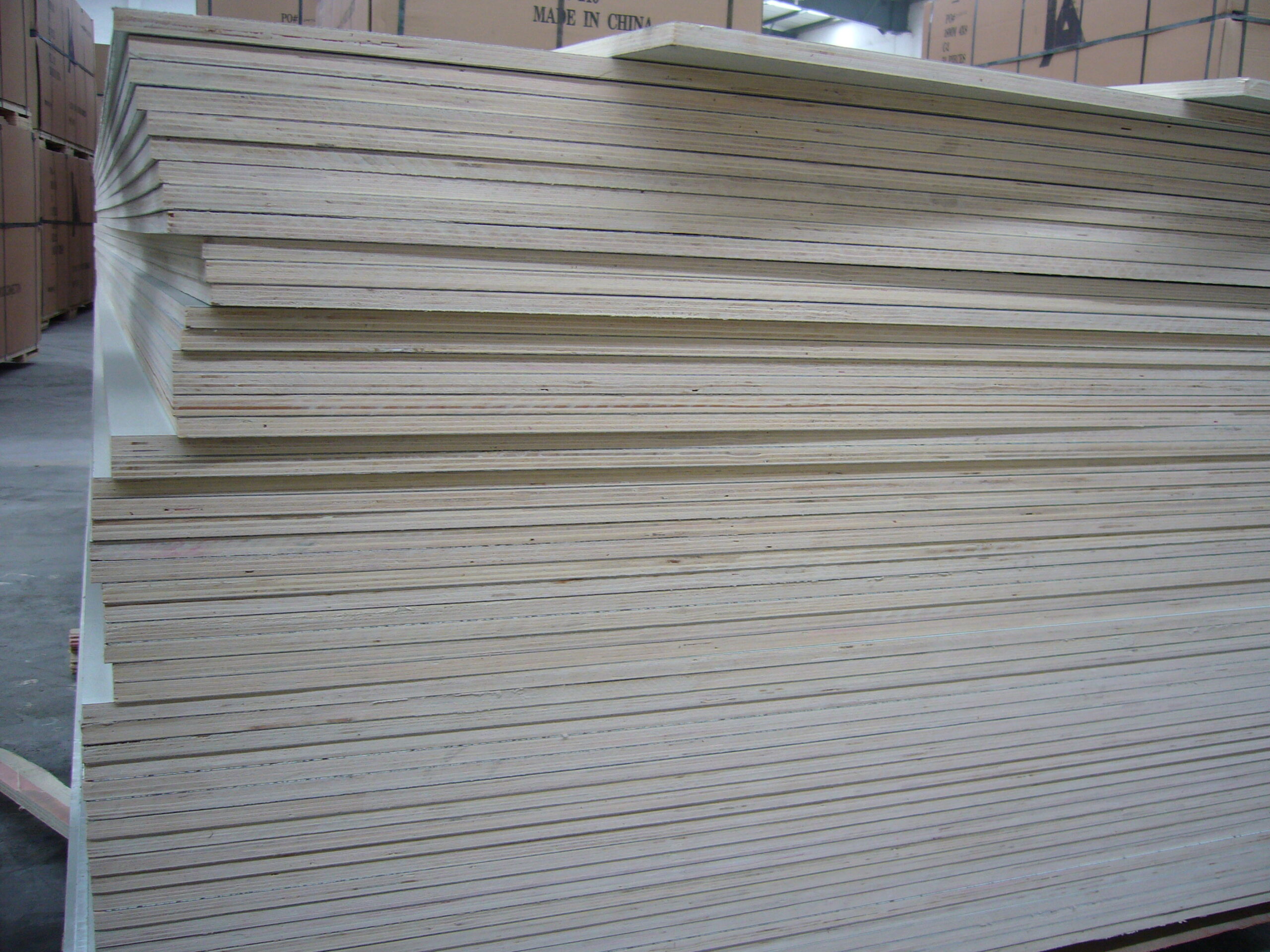
Plywood door price varies with the sheet grade, the veneer type, the door size, and the finishing, and a plywood door is one of the budget-friendliest ways to make a flush interior door or a formed exterior leaf. Prices run from cheap flush-core interior doors to premium hardwood-faced external leaves, and the quote splits into the panel, the frame, and the finish. This guide explains what drives plywood door pricing, how much common options cost, and how to buy a door that fits the budget.
A plywood door is built from a core, two plywood faces, and a frame edge, which keeps the cost low while the faces take any finish. Contractors and homeowners choose it for bulk interior work where the smooth face paints clean and the price per unit stays friendly.
The price of a plywood door moves with the core type, the face grade, the veneer, and the hardware, and each line adds to the unit cost. Reading the price structure helps a buyer pick the door that matches the use instead of overpaying for a grade the room never needs.
A hollow-core door costs the least and suits interior use, while a solid-core plywood door weighs more, blocks more sound, and prices higher for the material fill. Fire-rated and acoustic cores sit above solid wood in price. The core carries most of the cost difference between cheap and premium doors.
Sanded paint-grade plywood faces price lowest, while fair-face and exotic veneers such as oak, teak, and walnut cost more per sheet. The veneer runs the price curve for the whole door. A paint-grade face on a hollow core gives the cheapest decent door on the market.
Standard leaf sizes price lower than oversize custom leaves, and pre-hung doors add the frame and hardware to the quote. An unfinished door leaves the painting to the buyer, while a prefinished door includes the coating at the factory. The extras push the final installed price well past the bare leaf.
| Door type | Core | Face | Relative price |
|---|---|---|---|
| Hollow interior flush | Honeycomb or frame | Paint-grade ply | Lowest |
| Solid core interior | Wood blocks | Sanded ply | Mid |
| Veneered interior | Solid or hollow | Oak, teak | Mid-high |
| Exterior plywood leaf | Solid void-free | Marine faced | Highest |
Door prices cluster by construction: hollow flush-core doors sell near the floor of the range, solid-core doors in the middle, and veneered or exterior marine-faced leaves at the top. The numbers vary by market, but the ladder holds everywhere.
A standard hollow-core flush door with paint-grade plywood faces sells at the low end of any door range, sized for interior bedrooms and closets. The honeycomb core keeps the weight low and the price friendly in volume. This door carries the bulk of residential interior work.
Solid-core doors with plywood faces cost noticeably more than hollow units and serve fire-rated, acoustic, and security interior openings. The heavier core adds material and shipping to the price. Specifiers buy them where sound or safety matters more than the saving.
Veneered interior doors and exterior plywood leaves sit at the top of the range, priced by the species and the glue line. A marine-faced exterior leaf adds weatherproof adhesive to the bill. These premium doors show the face veneer rather than paint and carry a matching price.
The sticker price of a door hides the cost of the frame, the ironmongery, and the finish, so the buyer compares on the installed total rather than the bare leaf. The same unit price yields a different final cost depending on what the quote includes.
A bare leaf price excludes the frame, hinges, and lock, while a pre-hung price covers the whole opening, so buyers compare per opening to avoid a surprise on site. The difference is the frame and hardware package. Quoting per opening normalizes the comparison.
An unfinished door prices lower but needs the painting or sealing on site, while a prefinished plywood door adds the factory coat and skips the site labor. The buyer weighs the finish cost against the site time. Prefinished saves the spray room and the drying days.
Buying the minimum face that suits the room saves money, because a sheer white interior needs paint-grade faces while a visible veneer needs the good face. Over-specing a veneer where paint will cover is wasted money. The grade-to-use match is the cheapest discount in the door market.
Contractors order doors in pack quantities and earn a better unit price than one-off retail buyers, so a whole house or a block of apartments quotes at the volume rate. The unit drops with the door count. Volume buying turns a per-door price into a per-project saving.
The right door follows the opening’s exposure, the sound and fire needs, and the finish plan. Matching the construction to the job stops the price from climbing on an unused grade.
Hollow-core flush doors with paint-grade faces cover bedrooms, bathrooms, and wardrobes at the lowest price, and the smooth face paints or laminates clean. A solid core upgrades the acoustic line between noisy rooms. Interior light keeps the door cheap and the fit simple.
Solid-core plywood doors suit kitchens, laundries, and utility rooms where moisture, steam, and daily handling ask more of the face. The sealed plywood edge and the repairable face handle the wear. The face finishes with the room’s joinery for a continuous fit-out.
Exterior plywood leaves need a void-free marine-grade core and a durable face to shrug off the weather, price higher, and carry a heavier hinge load. The edge seals with the frame rebate to keep moisture out. The exterior leaf trades the interior saving for long-term stability.
A door budget works from the opening count, the finish plan, and the site labor, and a percentage buffer protects the price from the usual bumps. The contractor plans the doors before the framing closes so the leaf sizes match the openings.
The number of leaves, the leaf sizes, and the handedness set the door order, and standard sizes buy cheaper than custom ones. A pre-hung count adds the frames to the quote. The opening list is the spine of any door budget.
The paint, the hinges, the locks, and the handles sit on top of the leaf price, and the buyer counts them per opening rather than assuming they ship with the door. Pre-hung units bundle the frame, but the ironmongery and the finish still carry their own cost. The add-on line usually reaches the leaf price itself.
Door quotes carry a small percentage buffer for price movement and site extras, because delivery and ironmongery vary between suppliers. The buffer keeps the budget honest without padding every leaf. A 10 percent cover absorbs most of the variance.
Doors sell through joinery mills, hardware chains, and door specialsts, and each channel prices the same spec differently. The buyer matches the channel to the volume and the finish service.
A joinery shop builds and prices custom plywood doors to the exact opening, with pre-hung frames and prefinished faces on offer, charging above retail for the tailored service. The custom line suits non-standard openings and matched veneers. The specialist quote includes the craftsmanship and the fit.
Building supply stores stock standard flush and veneered doors at set retail prices, suiting immediate purchase and matched hardware in the same basket. The retail line moves popular sizes at competitive price breaks. The store route suits straightforward standard leaves.
Mills and wholesalers quote pack and container volumes to contractors and developers, beating the retail line on unit price with a minimum order. The volume route serves whole builds rather than single leaves. The buyer spends more per order to save per door.
Buyers ask the same questions about plywood door prices, and these answers cover the ones that come up most often.
A hollow-core interior flush door prices at the low end of the door range, while solid-core, veneered, and exterior marine-faced leaves climb higher with the construction and the species. The frame, hardware, and finish sit on top of the leaf price.
The core type, the face grade, the veneer species, and the pre-hung option each add to the price, and the exterior and fire-rated lines use heavier materials and adhesives. The construction ladder explains the spread.
Generally yes. A plywood-faced door uses less solid timber and carries a lighter core, so the material bill stays below a solid plank door. The plywood face also stays flatter and resists warping.
Buy standard sizes in pack volume, compare the installed per-opening price, and match the face grade to the finish plan. Avoiding custom sizes and over-speced faces cuts the quote the most.
Yes when the finish labor would cost more than the factory coat, and a prefinished face avoids the site spray room and drying time. The prefinished option shifts the cost from labor to product.
A plywood door price is built from the core, the face, and the finish, and the buyer who compares per opening and matches the grade to the use gets the best value. Hollow cores cover interior light, solid and veneered lines cover the premium rooms, and exterior leaves need the weatherproof build. For door skins and door core panels with clean faces, a manufacturer such as HYY supplies Commercial Plywood and Melamine Plywood in consistent sheet sizes ready for door construction and finishing.