Our Location
5th Floor, Huake Center, Lanshan District, Linyi City, Shandong Province, China

5th Floor, Huake Center, Lanshan District, Linyi City, Shandong Province, China

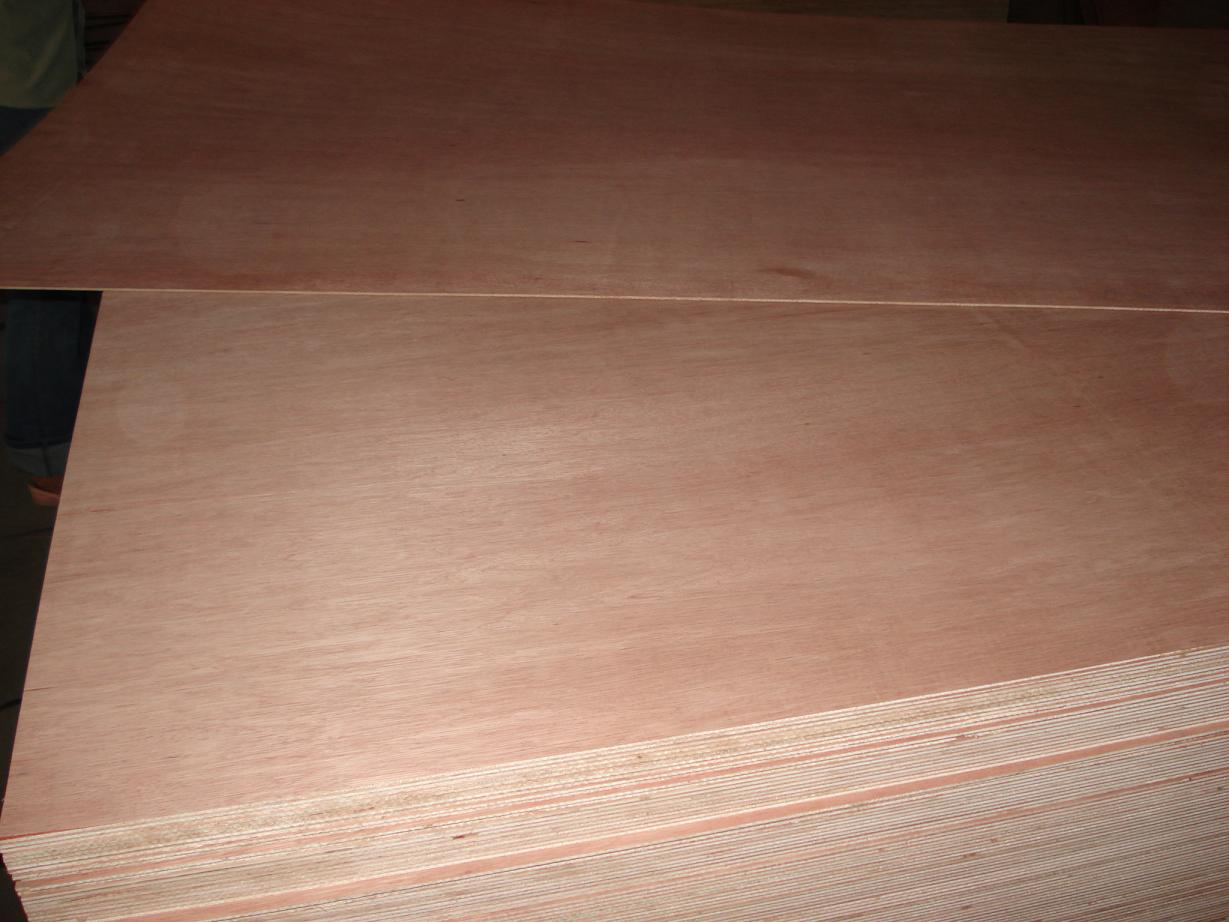
Plywood examples run from the plywood sheet under a concrete pour to the curved seat of a designer chair, and the same laminated panel appears in construction, cabinetry, transport, and art. A plywood sheet becomes formwork, wall cladding, furniture, a skateboard ramp, or a boat hull, and each example shows a different strength of the material. This guide walks through the most common plywood examples around a home, a site, and a workshop, and explains what makes the material right for each.
Because plywood is layered and cross-grained, it stands up to moisture, carries weight in thin sections, bends into curves, and took a clean finish, which is why so many different jobs use it. Looking at real examples makes the grade, the thickness, and the finish obvious in a way a spec sheet cannot.
Construction is the biggest home of plywood, where panels form, sheath, deck, and brace the building before the finishes go on. The structural examples show plywood carrying real loads through the life of a site.
Film-faced plywood forms the moulds that shape poured concrete foundations, columns, and walls, with the coated face releasing the concrete and surviving multiple pours. The formwork panel gets propped, braced, and struck with the crew’s cycle. A 18 mm film-faced panel reuses across a whole project before retiring.
Sheathing plywood decks the floors and the roof before the finish goes down, tying the frame together and giving workers a stable platform. The panels lay in a stagger across the joists and rafters and nail off tight. The sheathing makes the skeleton stiff enough for the trades to follow.
Screw-fixed plywood panels brace timber-frame walls against wind and seismic loads, working as shear walls that stop the frame from racking. The panel skin works like a solid web across the studs. Bracing panels turn a timber frame into a rigid box.
| Example | Grade usually used | Why plywood suits it |
|---|---|---|
| Concrete formwork | Film faced | Coated face, reuses |
| Roof sheathing | Structural sheathing | Stiffness, nail hold |
| Wall bracing | Structural sheathing | Shear racking strength |
| Site hoardings | Interior or exterior | Cheap cover, weather |
Furniture shows plywood at its most finished, where the panel curves, laminates, and takes a clean surface that designers build whole pieces around. The furniture examples turn the sheet into the object.
Bent plywood chairs mould the seat and back in laminated curves, following the body and springing back under load, and the pair carries the sitter on a thin shell. Laminations and a curved form make the shape. The chair is the classic example of plywood’s bend-and-hold strength.
Plywood shelving spans the wall in flat, stiff shelves and casework that takes paint, oil, or a natural look, with the edge either banded or shown as a feature. The shelf carries weight without sagging at moderate spans. Storage units stay flat and square because the core resists warping.
Plywood panels form cabinet carcasses and flush door leaves, with the surface painted or veneered and the edge banded for a solid look. The panel cuts square, machines clean, and holds hinges firmly. Kitchen and office joinery run through whole sheets of it.
A thick plywood top with a solid edge lipping makes an honest workbench or tabletop that takes knocks and supports the work on top. The laminations shrug off the dents a solid softwood top would take. Workshop and dining tables both lean on the panel’s flat, tough face.
Wooden boats and vehicle floors lean on marine and structural plywood because the panel bends, seals, and carries load in thin sections where other wood would split or rot. The transport examples push the material’s strength and weather resistance.
Boatbuilders plank hulls and decks with marine plywood, bending the sheets over the frame and coating them to take the water and the sun. The void-free core and waterproof glue keep the hull sound under load. A stitched-and-glued dinghy is one of the most direct plywood examples a builder can make.
Truck decks and trailer floors use structural plywood panels that carry the load over the chassis, seal against tire spray, and replace worn boards quickly. The panel sheets over the steel or timber frame in one piece. Haulage floors prove plywood under continuous heavy use.
Skate and stage builders curve plywood into ramps, quarter pipes, and temporary stages, counting on the panel to flex into the shape and hold the weight of boards, people, and gear. The ramp face sheets the framing curve cleanly. Road cases and riser platforms use the same panels for durable portable kit.
Around a house, plywood turns up in finishes and practical builds that quietly do their job behind the scenes, and these examples show the everyday side of the material. A drill, a saw, and a sheet of plywood cover most small home upgrades.
V-grooved or sanded plywood panels a feature wall or lines a ceiling with a warm wood character, painted, oiled, or clear-finished for the look. The sheets cover a whole wall with a few lightweight panels. The interior panel example brings the wood into the room.
Garage shelving, pegboard walls, and a workbench top all use cheap interior plywood cut to size, carrying the tools and the stock of the home workshop. The panels mount on simple cleats and carry practical weight. The garage is where the most unpretentious plywood in the house lives.
Outdoor-grade plywood makes planters, cloches, compost bays, and toy playhouses, sealed against the weather and standing against the soil. The panel builds a quick, flat, and strong structure anyone can cut. The garden example keeps the good grades away from the rain.
Beyond the everyday, plywood serves crafts and creative work where its surface, strength, and ease of cutting open up techniques other wood cannot match. The specialty examples stretch the material into art and craft.
Baltic and furniture plywood cuts clean under a laser, producing signs, jewelry boxes, decorative screens, and model parts with crisp edges and no fuzz. The tight core and even face veneers engrave and cut without burns. Laser workshops feed on the sheet’s predictability.
Architects curve plywood into column casings, acoustic wall panels, and feature ceilings, with the sheets bent on site over a frame or laminated in the shop. The panel takes the curve and holds it. The architectural example puts the shape on show.
Instruments, crates, jigsaw-puzzle toys, and foam templates all cut from plywood because it stays flat, machines well, and paints clean at small sizes. Small makers buy whole sheets and cut dozens of parts. The craft examples reward the material with precise, repeatable output.
Every example points back to a grade, a thickness, and a finish, and reading the use case teaches the buyer what to specify. The material that works in one example fails in another when the exposure or the load differs.
A dry interior shelf takes interior plywood, while a boat hull or a slab pour needs marine or film-faced exterior grades. The exposure decides the adhesive and the face before price enters. Buying the interior grade for an exterior job is the most common plywood mistake.
A shelf and a floor both carry weight, but the floor takes the load over a larger span and the framing, so flooring grades and thicknesses change. The thicker structural example replaces the thin decorative one. The load path picks the thickness.
Visible furniture wants a sanded B-face, painted site work takes a cheaper face, and formwork wants the coated film face. The finish the buyer plans picks the visible face quality. Reading the planned finish against the example keeps the grade honest.
Buyers ask the same questions about plywood examples and uses, and these answers cover the ones that come up most often.
Concrete formwork, roof and floor sheathing, wall bracing, furniture, cabinets, doors, boat hulls, truck decks, skate ramps, wall paneling, signs, and laser-cut parts are the most common uses. Construction and furniture lead the list.
Film-faced plywood forming a concrete wall or column is the clearest construction example, because it shows the coated face, the rebar fit, and the reuse across pours. Sheathing and bracing panels show the structural side.
Furniture uses interior furniture-grade plywood with a clean sanded face, in 12 to 18 mm thicknesses, banded or finished at the edge. The face grade and the void-free core decide the visible result.
Yes. Bending-grade and laminated plywood forms chair seats, ramps, column casings, and hulls, with thin plies that flex and hold the shape. The tighter the curve, the thinner or more flexible the panel needs to be.
Match the use to the exposure, the load, and the finish: exterior and wet jobs take marine or film-faced grades, heavy spans take thicker structural panels, and visible faces take clean sanded ones.
Plywood examples run from formwork and sheathing to curved chairs, boat hulls, and laser-cut art, and every example works because the right grade, thickness, and finish met the job. Match the panel to the exposure and the load, and the material pays back across the whole project. For panels that cover the most common examples well, a manufacturer such as HYY supplies Commercial Plywood for furniture and interiors, Film Faced Plywood for concrete formwork, and Melamine Plywood for finished cabinetry.