Our Location
5th Floor, Huake Center, Lanshan District, Linyi City, Shandong Province, China

5th Floor, Huake Center, Lanshan District, Linyi City, Shandong Province, China

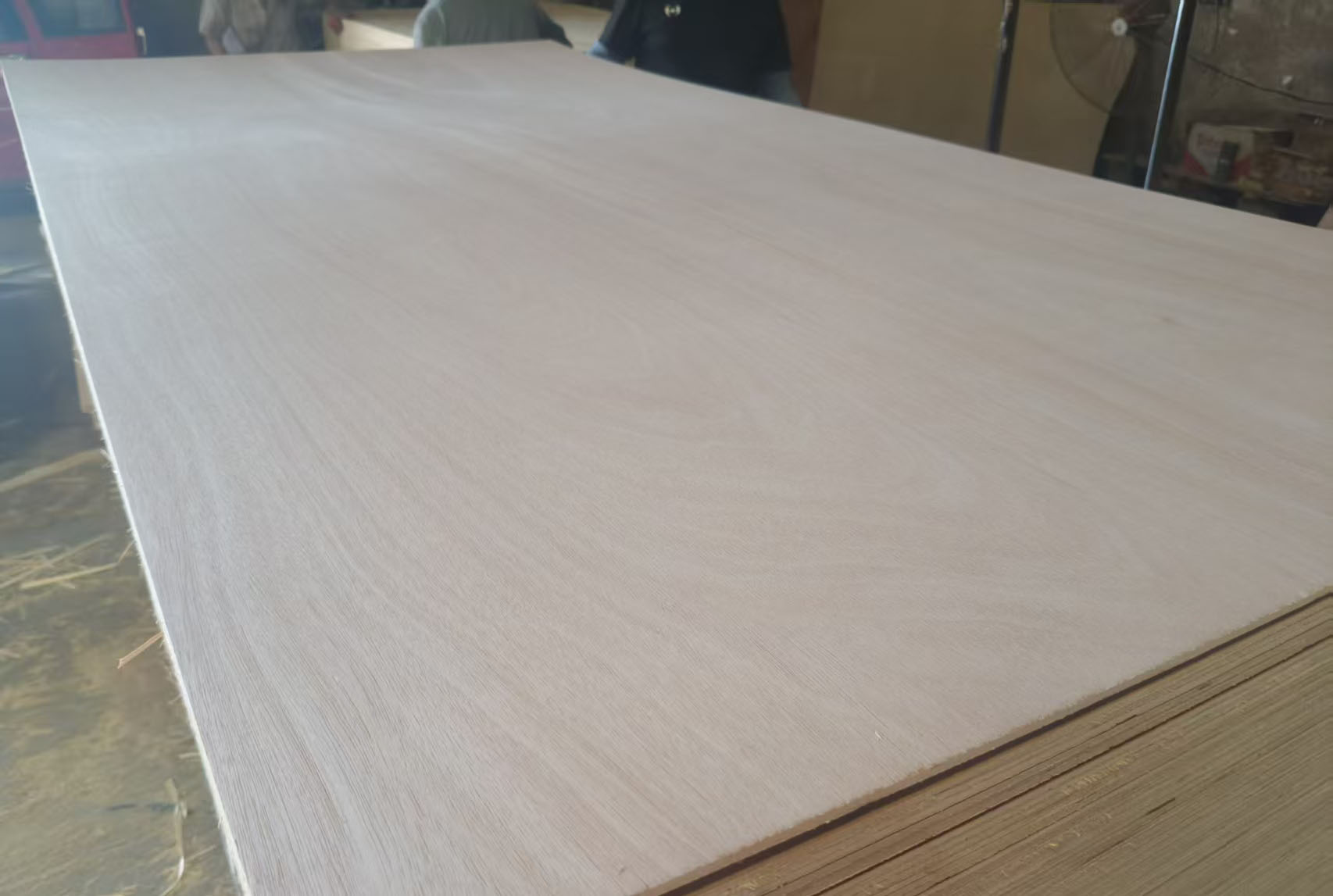
What does plywood mean for a buyer who needs a strong, flat sheet? Plywood means a panel built from thin wood veneers glued in crossed layers, so the finished board resists bending, splitting, and warping better than solid timber of the same thickness. Understanding what does plywood stand for helps a builder pick the right grade, thickness, and glue class for a floor, a roof, a cabinet, or a boat deck.
The term covers a family of panels rather than one product, and each member of the family suits a different duty.
The makeup of a sheet explains how it behaves, and the buyer who knows the parts can read a stamp correctly.
Thin sheets of wood peeled or sliced from a log form the face and the core. The face shows the grain, and the core carries the load. The veneer quality sets the grade.
An adhesive bonds the veneers under heat and pressure, and the glue class decides where the panel can go. Interior glue suits dry rooms, moisture-resistant glue suits damp areas, and exterior glue resists weather.
The layers stack with the grain of each layer at right angles to the one below, so stress spreads across the panel instead of along one line. The crossing keeps the sheet flat and stiff.
A sheet may have three, five, seven, or more plies, and more plies add stiffness and span capacity. The count helps a buyer judge a panel.
Plywood performs different roles depending on where it sits, and the role decides the grade.
Structural plywood covers a frame and ties it together, carrying wind and snow loads before any finish goes on. The span rating tells a builder how far the sheet can go between supports.
Plywood subfloor provides a flat, stiff base for finish flooring, and the thickness matches the joist spacing so the floor does not sag.
Interior and birch plywood build cabinets, doors, shelves, and tables, with a smooth face for paint or a pale grain for a clear finish. The panel takes screws and holds its shape.
Film-faced plywood coats one face so concrete releases cleanly, and the panel reuses across pours. The coating protects the sheet on a wet site.
Marine and exterior plywood resist water and weather for hulls, decks, sheds, and planters, as long as cut edges are sealed. The waterproof glue holds the bond.
The price of a sheet is only the start, and the buyer who counts the whole life of a panel spends wisely.
The tag follows the grade, the thickness, the species, and the bond class, so a hardwood-faced A-grade sheet costs more than a softwood-faced C-grade sheet.
A dealer who cuts a sheet to size charges a fee, and delivery adds freight. The buyer adds these to the sheet price before comparing.
Paint, varnish, edge banding, and screws add to the installed cost, and a plywood edge needs banding where it shows. The finishing completes the budget.
A well-chosen panel lasts for years, while a wrong grade swells or delaminates and needs replacing. The right sheet saves money over time.
A sheet performs well when it is stored, cut, and fixed correctly, and a few habits protect it.
Sheets store flat on even supports off the ground under cover, so the panel stays flat and dry until it reaches the job site. A leaning sheet can twist before it is ever used.
Every cut edge exposes the core to moisture, so sealing or taping it keeps the panel strong. The seal guards the bond.
Pre-drilling small holes stops the veneer from splintering when a screw goes in, especially near an edge. The pilot hole holds the screw tighter.
Paint, stain, or varnish protects the face from wear and decides how the piece looks. The finish follows the face grade.
A full sheet is heavy, and the weight sets the transport plan.
A standard 18 millimetre sheet weighs roughly 20 to 30 kilograms depending on the species, so one person can drag it but two handle it well. The weight sets the lift.
A buyer ties a sheet flat on a roof rack or lays it in a truck bed with support along the length, because a long unsupported overhang can crack the panel. The flat carry protects it.
Two people carry a full sheet flat rather than dragging one corner, because an unsupported edge can crack or bow. The flat carry protects the face and the core.
Cutting plywood creates fine dust, and the buyer should protect the lungs.
Plywood produces fine dust that a mask and extraction handle easily, and a sharp blade lifts a clean edge with less pressure than a dull one. The mask protects the lungs.
Cutting in a ventilated space or outdoors keeps the air clear, and the buyer avoids breathing the fine particles. The air matters.
A buyer can ask where the wood comes from and how the panel is made.
Plywood uses fast-growing plantation timber and makes full use of the log, so it wastes less than solid boards. The source matters to a green buyer.
Formaldehyde-based glue releases a little gas, and low-emission grades suit indoor living spaces. The buyer asks for the emission rating.
Plywood often costs less per square metre than solid wood of the same size, because it uses fast-growing veneers and covers a large area in one sheet. Solid wood shows grain on every side and suits a carved piece, while plywood suits a flat panel. The look and the budget decide the pick.
A well-built plywood cabinet or floor can add value to a home because buyers like solid, flat surfaces that look finished. The panel contributes to the sale price.
Plywood means an engineered panel of thin wood veneers glued in crossed layers under heat and pressure, strong and flat across both axes.
It stands for layered wood construction, where crossed veneers give strength in two directions rather than one.
Plywood sheathes walls and roofs, decks floors, makes furniture and cabinets, forms concrete, and builds boats and outdoor structures.
The cost follows the grade, thickness, species, bond class, size, delivery, and finishing, so a buyer compares delivered totals rather than tags alone.
A well-chosen, well-stored, and well-finished panel lasts for years, while a wrong grade in the wrong place fails quickly.
What does plywood mean for a project? It means a strong, flat, layered panel that sheathes buildings, makes furniture, forms concrete, and builds boats when the grade, thickness, and glue match the duty. Read the stamp, match the exposure, store flat, and seal the edges. For panels with clean faces, dependable cores, and consistent thickness, a manufacturer such as HYY supplies Commercial Plywood and Film Faced Plywood in standard grades.