Our Location
5th Floor, Huake Center, Lanshan District, Linyi City, Shandong Province, China

5th Floor, Huake Center, Lanshan District, Linyi City, Shandong Province, China

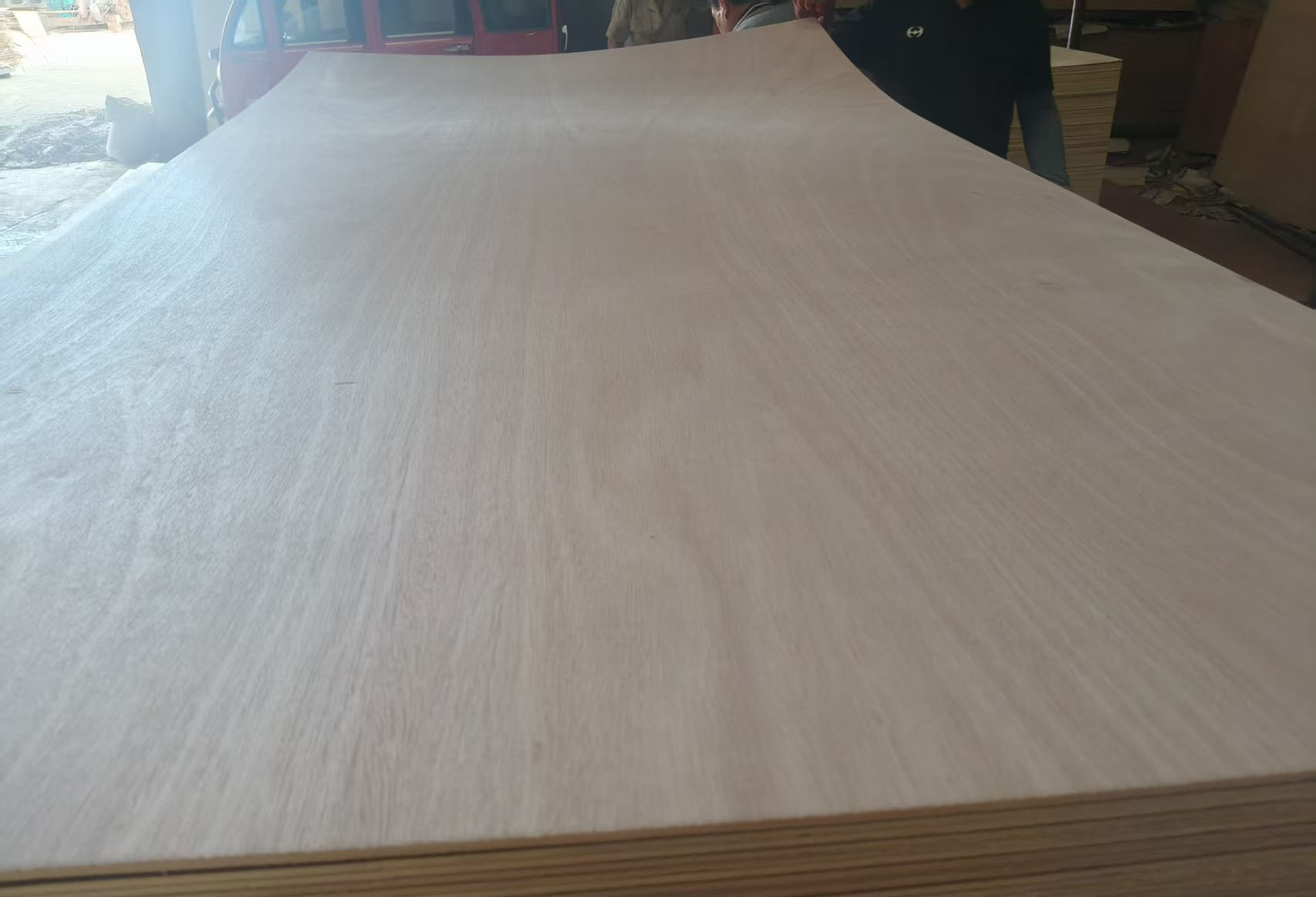
Why does plywood bow and what can a buyer do about it? Plywood bows when moisture, heat, or uneven support pulls one face more than the other, and the crossed layers cannot keep the sheet flat. Understanding why does plywood bow helps a builder store, cut, and fix panels so they stay straight from the rack to the finished job.
A bowed sheet is a common problem, and most causes trace back to storage, exposure, or installation rather than the panel itself.
Water is the leading cause, and it acts on one face more than the other.
If one face gets wet and the other stays dry, the wet side expands and the sheet curls toward the dry side. A spill, a leak, or humid air on one face starts the bow.
A sheet that dries from one face only shrinks that side, and the uneven shrink bows the panel. Both faces should dry at the same rate.
A cut edge exposes the core and lets moisture in faster than the face, so an unsealed edge on a damp floor bows the sheet. Sealing the edges slows the uptake.
Temperature acts on the veneers and the glue, and one-sided heat distorts the sheet.
A sheet in direct sun on one face heats and expands that side, while the shaded face stays cool. The temperature gap bows the panel toward the cool side.
A panel stored or fixed near a heater dries one face faster, and the moisture leaves that side unevenly. The shrink bows the sheet.
Heat can soften the glue line slightly, letting the layers shift under the panel’s own weight until the glue sets again in a bowed shape.
How a sheet sits before it is used decides whether it arrives flat or already curved.
A sheet leaning against a wall rests on one corner or edge, and its own weight bends the middle over time. The longer it leans, the worse the bow.
A sheet stored across two points with nothing in the middle sags under its own weight, and a thin sheet sags fastest. Flat support along the whole length keeps it straight.
A sheet stacked on a damp floor draws moisture into the bottom face, and the bottom expands while the top stays dry. The panel bows upward.
A stack with no airflow between sheets traps moisture in the middle, and the inner panels absorb it unevenly. Spacers let air move.
A sheet that was flat on the rack can bow once it is screwed down, and the fixing itself is often the cause.
Screws pulled tight on one side and loose on the other pull the sheet unevenly, and the panel bows toward the tight side. Even torque keeps it flat.
A sheet fixed tight against a wall has nowhere to expand when humidity rises, so it buckles instead. A small gap at the edges lets the panel move.
A thin sheet on wide joist spacing bends under its own weight and any load, and the bow becomes permanent. The thickness must match the span.
A builder prevents bow by controlling moisture, heat, support, and fixing from the yard to the site.
Sheets store flat on even supports off the ground under cover, with spacers between panels for airflow. Flat storage is the best prevention.
Every cut edge gets sealed or taped before the sheet goes in, especially on exterior and marine grades. The seal slows moisture uptake.
Fasteners go in at even spacing and even torque, with a small expansion gap at the edges so the panel can move with humidity.
The thickness follows the joist or stud spacing so the sheet does not sag under its own weight. A thin sheet on wide spacing bows.
Both faces get the same finish or the same exposure, so one side does not expand more than the other. Symmetry keeps the sheet straight.
A project shows whether storage and fixing were done right, and these cases show the match.
A cabinet side stored flat and fixed with even screws stays straight, while a shelf leaned against a wall bows before it is even hung. The storage matters.
A marine deck with sealed edges and even fasteners stays flat in the wet, while an unsealed edge lets water into the core and the panel bows. The seal matters.
A shed sheet stored under cover and fixed with an expansion gap survives the rain, while a sheet left in the sun on one face bows toward the shade. The exposure matters.
A buyer matches the storage and fixing to the local climate so bow does not appear.
A coastal panel faces salt air and heavy rain, and moisture enters the edges faster than the faces. The buyer seals every cut edge and stores sheets under cover off the ground. The dry store protects the glue.
A dry room causes less bow, but a sheet leaning against a heated wall can still cup on one side. The buyer keeps panels flat and away from one-sided heat.
A panel that faces monsoon rain needs 710 or exterior glue, and the buyer stores sheets under cover until the roof goes on. The dry store protects the bond during the wet months.
A cold climate moves moisture slowly, but a panel brought from cold storage into a warm room can condense on one face. The buyer lets the sheet acclimatise before fixing it.
A bowed panel can sometimes be saved, and the repair reverses the cause.
If one face is wet, the buyer dries both faces evenly and clamps the sheet flat until the moisture leaves. The panel may return to shape.
If one face is hot, the buyer moves the sheet to even shade and clamps it flat while it cools. Even temperature removes the bow.
If uneven fasteners caused the bow, the buyer loosens and re-tightens them evenly, with an expansion gap at the edges. The panel relaxes flat.
A panel that delaminates or stays bowed after repair is replaced rather than patched, because a failed sheet costs more than a new one. The replacement keeps the job safe.
A buyer runs this list before buying and before fixing so the panel stays straight.
The buyer inspects the sheet on the rack for an existing bow and rejects a curved panel before paying.
The buyer keeps sheets flat on even supports off the ground under cover, never leaning.
The buyer seals every cut edge before installation, especially on exterior and marine grades.
The buyer fastens at even spacing and torque, with an expansion gap at the edges.
The buyer picks the thickness the joist spacing needs, so the sheet does not sag under its own weight.
One face absorbs water and expands while the other stays dry, so the uneven expansion curls the sheet toward the dry side.
Sun heats one face and expands it while the shaded face stays cool, and the temperature gap bows the panel toward the cool side.
A leaning sheet rests on one corner, and its own weight bends the middle over time. Flat support prevents the bow.
Sometimes, by reversing the moisture or heat that caused the bow and clamping the sheet flat while it dries, but prevention is more reliable.
Store flat and dry, seal cut edges, fix evenly with expansion gaps, match thickness to span, and balance the faces.
Why does plywood bow? Moisture, heat, poor storage, and uneven fixing all pull one face more than the other, and the crossed layers cannot keep the sheet flat. Store flat and dry, seal every cut edge, fix evenly, match thickness to span, and balance the faces. For panels with stable cores, consistent thickness, and dependable glue lines that resist bowing, a manufacturer such as HYY supplies Commercial Plywood and Melamine Plywood in standard grades.