Our Location
5th Floor, Huake Center, Lanshan District, Linyi City, Shandong Province, China

5th Floor, Huake Center, Lanshan District, Linyi City, Shandong Province, China

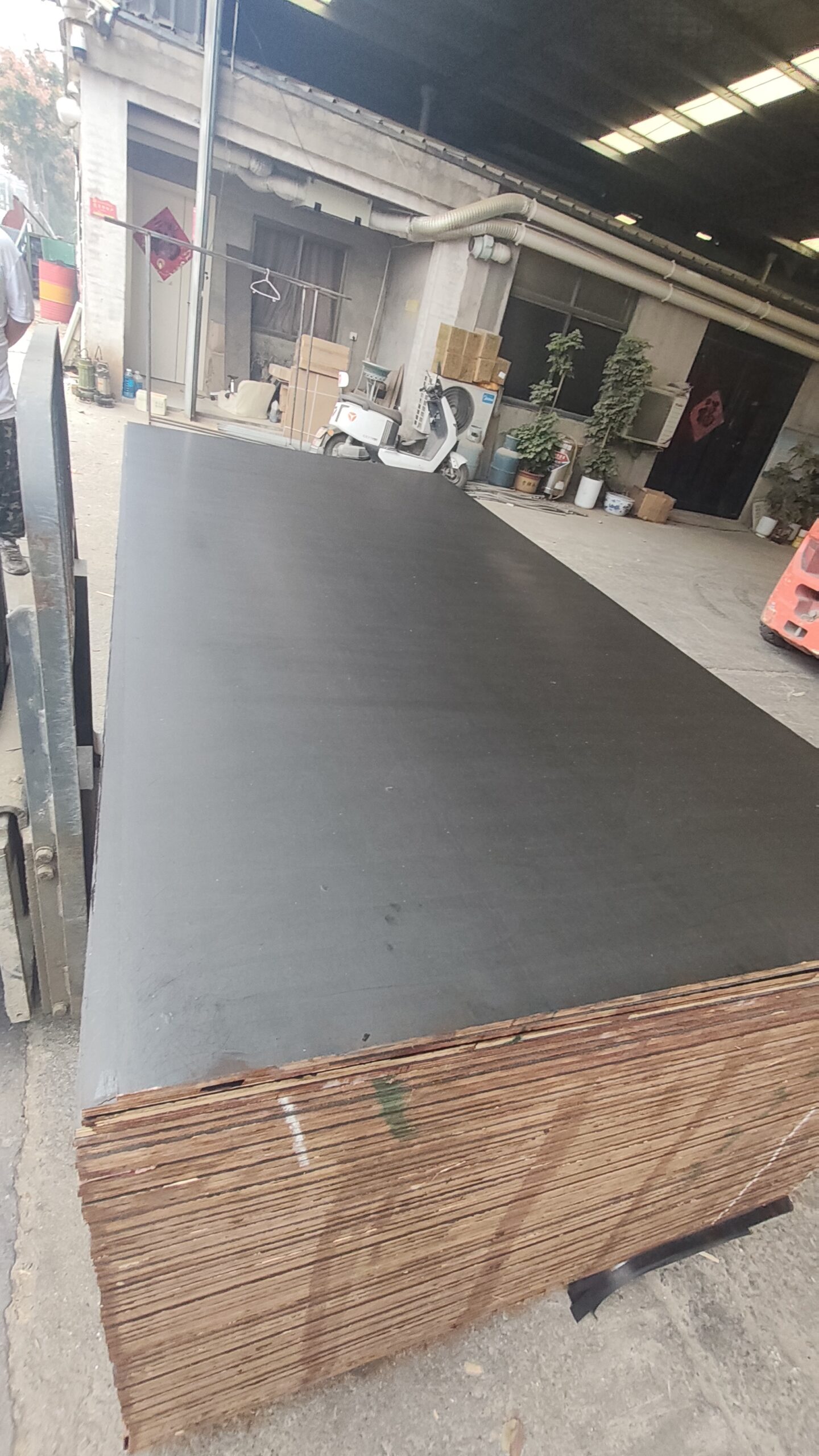
Size of construction plywood covers the sheet dimensions and thickness steps a builder meets on a job, and the standard panel measures 1220 by 2440 millimetres, or 4 by 8 feet. The size of construction plywood matters because the sheet must fit the framing grid, the vehicle, and the project’s cut list, and a buyer who knows the standard figures orders the right panel without waste. This guide explains the size of construction plywood, the common sheet dimensions, the thickness range, and how to pick the right size for a build.
Construction plywood comes in a few standard sizes that match common framing, and the buyer who knows these figures plans a project with confidence. A sheet that fits the grid saves joints and time.
The market groups plywood by sheet size, and the standard panel suits most framing grids.
The most common sheet measures 1220 by 2440 millimetres, or 4 by 8 feet, and it fits the framing grid of most walls, floors, and roofs. The imperial name comes from the rounded feet. The metric figure gives the exact size.
Metric sheets come in 1200 by 2400 millimetres or 1250 by 2500 millimetres, and these sizes suit European framing and imported panels. The metric sheet fits a metric frame.
A half sheet measures 1220 by 1220 millimetres, a quarter sheet measures 610 by 1220 millimetres, and stores cut to any size for a buyer who lacks a large vehicle. The smaller sheet moves easily.
Oversize sheets reach 1500 by 3000 millimetres or longer for a tall wall or a long span, cutting the number of joints in a run. The large sheet needs a bigger vehicle.
Thickness sets the strength, the weight, and the cost, and the labeled depth often differs a little from the measured depth.
Three to six millimetre sheets suit drawer bottoms, curved work, and light sheathing, and they bend easily around a form. The thin sheet suits a light duty.
Nine to twelve millimetre sheets suit cabinet backs, shelves, and general sheathing, and they carry moderate loads without sagging. The depth suits the span.
Fifteen to twenty-five millimetre sheets suit floors, decks, work tops, and heavy sheathing, and the thick plies resist splitting under load. The strength suits the heavy duty.
A nominal 18 millimetre sheet may measure 17.5 millimetres after sanding, and the difference matters when a fitting expects the exact depth. The label gives the nominal figure.
| Thickness | Common use | Note |
|---|---|---|
| 3-6 mm | Drawer bottom, curve | Flexible, light |
| 9-12 mm | Cabinet back, shelf | General interior |
| 15-18 mm | Furniture, sheathing | Structural range |
| 21-25 mm | Floor, work top | Heavy duty |
A buyer matches the sheet size and thickness to the framing grid, the span, and the vehicle.
The sheet size should match the joist or stud spacing so the panel covers the frame without waste, and the standard 4 by 8 sheet fits most grids. The grid picks the size.
The thickness follows the span and the load, so a widely spaced joist needs a thicker panel than a close-studded wall. The span table guides the depth.
A full sheet needs a flat carry with support along the length, and a small truck or a roof rack with straps keeps the sheet flat. The transport plan protects the panel.
The buyer measures each part and subtracts the saw kerf, then counts the sheets needed and orders a margin for cuts and mistakes. The plan avoids a second trip.
Different types of plywood come in the same standard sizes, and the type picks the grade and the bond class.
Structural plywood with a span rating suits walls, roofs, and floors, and the standard 4 by 8 sheet covers the frame. The rated panel carries the load.
Sanded and hardwood-faced sheets suit cabinets, doors, and shelves, and the standard size suits most joinery projects. The face takes the finish.
Exterior and marine sheets suit sheds, decks, and boats, and the standard size covers most outdoor projects. The waterproof glue resists damp.
Film-faced sheets suit concrete formwork, and the standard size covers most columns and slabs. The coated face releases cleanly.
A sheet cuts and fixes best with sharp tools and even fasteners, whatever the size.
A sharp blade leaves a clean edge, and measuring from the square corner keeps the part true. The saw kerf removes a little width, so the buyer subtracts it from the cut list.
Pre-drilling small fixings stops the veneer from splintering, and countersinking lets a screw head sit flush without lifting the face. The right fixing holds without damage.
Every cut edge exposes the core, so sealing or taping it keeps moisture out and keeps the panel strong. The seal guards the bond.
A few slips cost more than a higher sheet price, and avoiding them keeps the project on budget.
A sheet that does not match the grid wastes material and creates extra joints, so the buyer measures the grid before ordering. The grid picks the size.
A thin sheet spanning too far sags under a load, so the buyer checks the span table and picks the depth the job needs. The thickness carries the weight.
A full sheet needs a flat carry with support, and a small car cannot take a 4 by 8 panel. The transport plan protects the sheet.
A sheet that sits badly can warp or stain before it reaches the job.
Sheets store flat on even supports off the ground under cover, so the panel stays flat until it reaches the job site.
Even an exterior-bonded sheet loses strength if it sits soaked for weeks, so the buyer keeps every stack under cover.
A buyer checks these points before ordering a sheet.
The sheet size should match the joist or stud spacing so the panel covers the frame without waste.
The thickness follows the span and the load, so a widely spaced joist needs a thicker panel.
The buyer measures each part and subtracts the saw kerf, then counts the sheets needed and orders a margin.
A full sheet needs a flat carry with support along the length, and a small truck or roof rack keeps the sheet flat.
The buyer also compares delivered cost across suppliers, because a distant supplier with a low tag can end up costing more once freight is added.
A careful plan saves material and time, and the buyer who measures twice and orders a margin avoids a second trip to the yard.
For a large build, the buyer orders from a timber yard or an importer, because the volume wins on price and the delivery covers the site.
The standard sheet measures 1220 by 2440 millimetres, or 4 by 8 feet, with half sheets, quarter sheets, and oversize panels also sold.
Thickness runs from about 3 millimetres to 25 millimetres, and each step adds material cost and span capacity. The depth follows the span.
Match the sheet size to the framing grid, the thickness to the span and the load, and the panel type to the exposure and the finish.
No. The 4×8 sheet is the most common, but stores also stock 1200 by 2400 millimetres, 4×10, 5×5, and oversize panels up to 1500 by 3000 millimetres.
A full sheet needs a flat carry with support along the length, and a small truck or a roof rack with straps keeps the sheet flat and undamaged.
Size of construction plywood covers the standard sheet dimensions and thickness steps a builder meets on a job, and matching the size to the grid, the span, and the vehicle keeps the project on track. Read the stamp, plan the cut list, and fix with even fasteners and sealed edges. For panels with clean faces, dependable cores, and consistent thickness in standard sizes, a manufacturer such as HYY supplies Commercial Plywood and Melamine Plywood in standard grades.