Our Location
5th Floor, Huake Center, Lanshan District, Linyi City, Shandong Province, China

5th Floor, Huake Center, Lanshan District, Linyi City, Shandong Province, China

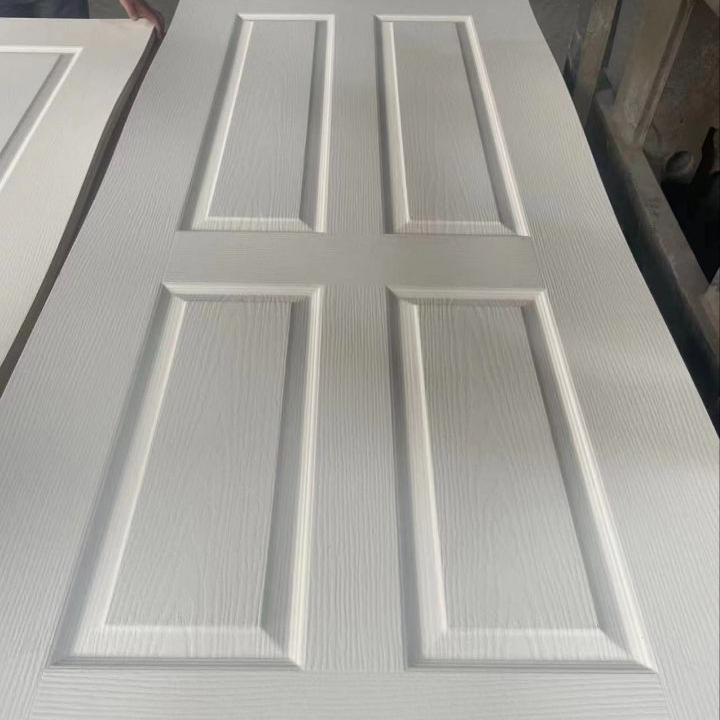
Melamine door skins MDF HDF door skin are thin decorative panels that clad a door core, and they give a door a smooth, durable, low-maintenance surface without the cost of solid wood. Melamine door skins MDF HDF door skin come in a range of colours and textures, and the skin bonds to an MDF or HDF core with adhesive under pressure. This guide explains melamine door skins MDF HDF door skin, the materials and construction, the types available, and how to buy and install them.
A door skin is a thin panel that transforms a plain core into a finished door, and the melamine surface resists scratches, moisture, and stains with little upkeep.
Melamine door skins MDF HDF door skin refers to thin decorative skins bonded to an MDF or HDF core to make a finished door.
A door skin is a thin panel, usually 2 to 4 millimetres thick, that clads the face of a door core. The skin gives the door its finished look and protects the core.
The melamine surface is a resin-impregnated paper pressed onto the skin under heat and pressure, and it resists scratches, moisture, and stains. The surface needs little upkeep.
An MDF core is smooth and stable, and it takes machining and edge profiling well. The core gives the door its shape and strength.
An HDF core is denser and harder than MDF, and it suits doors that need extra durability and screw holding. The core resists impact.
| Feature | MDF core | HDF core |
|---|---|---|
| Density | Medium | High |
| Machining | Easy | Harder |
| Screw holding | Good | Better |
| Cost | Lower | Higher |
The market groups door skins by surface, core, and thickness, and the buyer matches each skin to the door.
Melamine door skins carry a melamine film on one or both faces, and they come in solid colours, wood grains, and textures. The surface resists wear.
MDF door skins use an MDF substrate for a smooth, stable core that machines cleanly. The core takes edge profiles and grooves.
HDF door skins use a denser core for extra durability and screw holding, and they suit doors that take heavy use. The core resists impact.
Door skins run from about 2 millimetres to 6 millimetres, and the thickness sets the cost and the durability. A thicker skin lasts longer.
The skins serve door and interior duty, and the surface sets the look.
Interior doors use melamine skins for a smooth, durable, low-maintenance surface. The skin gives the door its finished look.
Kitchen cabinets use melamine skins for doors and drawer fronts that resist moisture and stains. The surface wipes clean.
Wardrobes and closets use melamine skins for a sleek, modern look. The surface resists wear.
Commercial doors use HDF skins for extra durability in high-traffic areas. The dense core resists impact.
The counter visit works best when the buyer knows the surface, the core, and the thickness before asking the price.
The buyer inspects the melamine surface for even colour, no bubbles, and no scratches. The surface decides the look.
The buyer picks MDF for smoothness and machining, or HDF for durability and screw holding. The core sets the strength.
The buyer matches the thickness to the door and the use, with 2 to 4 millimetres covering most interior doors. The thickness sets the durability.
The price follows the surface, the core, and the thickness, and delivery and cutting add to the total. The buyer compares like for like across dealers.
A door skin performs only when it is bonded and edged correctly, and the installer follows the manufacturer’s pattern.
The skin bonds to the core with adhesive under pressure, and the installer clamps the skin until the glue sets. The bond holds the skin flat.
The melamine edge shows the core, so edge banding or a matching strip covers it on visible parts. The edge finish completes the look.
The MDF or HDF core machines cleanly, and the installer cuts, routes, and profiles with standard tools. The core takes the detail.
The melamine surface needs no paint or varnish, and the buyer cleans it with a soft cloth. The finish is built in.
A few slips cost more than a higher sheet price, and avoiding them keeps the project on budget.
An MDF core sags under heavy use, so the buyer picks HDF for high-traffic doors. The core sets the strength.
A thin skin dents and shows the core, so the buyer picks the thickness the door needs. The thickness sets the durability.
A bubbled or scratched surface shows under light, so the buyer inspects the surface before paying. The check saves a return trip.
A sheet that sits badly can warp or stain before it reaches the job.
Sheets store flat on even supports off the ground under cover, so the panel stays flat until it reaches the job site.
Even a melamine-coated panel loses strength if it sits soaked for weeks, so the buyer keeps every stack under cover.
A buyer checks these points before loading a skin.
The buyer inspects the melamine surface for even colour, no bubbles, and no scratches.
The buyer picks MDF for smoothness and machining, or HDF for durability and screw holding.
The buyer matches the thickness to the door and the use.
The buyer adds delivery, cutting, and edge banding to the skin price before deciding.
The buyer also checks the surface for even colour, no bubbles, and no scratches before paying, because a flawed surface shows under light.
A melamine door skin that gives a smooth, durable, low-maintenance surface earns its price in a finished door.
For a smooth purchase, the buyer brings the cut list, the thickness, and the grade, so the shop can match the skin and pre-cut the parts.
A melamine door skin that bonds cleanly to an MDF or HDF core gives a door a premium look with little finishing work.
They are thin decorative skins bonded to an MDF or HDF core to make a finished door with a smooth, durable surface.
They are used for interior doors, kitchen cabinets, wardrobes, and commercial doors where a low-maintenance surface matters.
Yes, the melamine surface resists scratches, moisture, and stains, and the HDF core resists impact.
MDF suits smoothness and machining, while HDF suits durability and screw holding. The core follows the use.
Check the surface, the core, the thickness, and the edge, and compare delivered cost across dealers.
Melamine door skins MDF HDF door skin give a door a smooth, durable, low-maintenance surface, and the buyer matches the surface, the core, and the thickness to the door. Check the surface for even colour and no bubbles, and finish the edge to complete the look. For panels with clean faces, dependable cores, and consistent thickness, a manufacturer such as HYY supplies Commercial Plywood and Melamine Plywood in standard grades.