Our Location
5th Floor, Huake Center, Lanshan District, Linyi City, Shandong Province, China

5th Floor, Huake Center, Lanshan District, Linyi City, Shandong Province, China

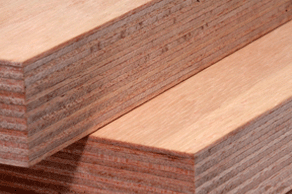
4 244 122 refers to a sheet size of 4 feet by 8 feet, or 1220 by 2440 millimetres, and it is the standard plywood panel that fits most framing grids. 4 244 122 is one of the most common plywood dimensions worldwide, and a buyer who knows this size plans a project with confidence. This guide explains 4 244 122, the standard sheet dimensions, the thickness range, and how to pick the right panel for a build.
A 4 by 8 foot sheet covers large areas in one piece, and the standard size fits most framing grids without waste.
4 244 122 refers to a plywood sheet measuring 4 feet by 8 feet, or 1220 by 2440 millimetres, and it is the standard panel that fits most framing grids.
Four feet, or 1220 millimetres, is the standard width that matches the framing grid of most walls and floors. The width sets the coverage.
Eight feet, or 2440 millimetres, is the standard length that matches the framing grid of most walls and roofs. The length sets the coverage.
The metric equivalent is 1220 by 2440 millimetres, and the exact figure avoids confusion when ordering from a metric supplier. The metric size gives the precise dimension.
The 4 by 8 foot sheet is the most common plywood size worldwide, and it fits most framing grids without waste. The standard size simplifies ordering.
| Dimension | Imperial | Metric |
|---|---|---|
| Width | 4 feet | 1220 mm |
| Length | 8 feet | 2440 mm |
| Area | 32 sq ft | 2.98 sq m |
| Thickness | 1/4 to 1 inch | 6 to 25 mm |
Thickness sets the strength, the weight, and the cost, and the labeled depth often differs a little from the measured depth.
Six to nine millimetre sheets suit drawer bottoms, curved work, and light sheathing, and they bend easily around a form. The thin sheet suits a light duty.
Twelve to fifteen millimetre sheets suit cabinet backs, shelves, and general sheathing, and they carry moderate loads without sagging. The depth suits the span.
Eighteen to twenty-five millimetre sheets suit floors, decks, work tops, and heavy sheathing, and the thick plies resist splitting under load. The strength suits the heavy duty.
A nominal 18 millimetre sheet may measure 17.5 millimetres after sanding, and the difference matters when a fitting expects the exact depth. The label gives the nominal figure.
A buyer matches the sheet size and thickness to the framing grid, the span, and the vehicle.
The sheet size should match the joist or stud spacing so the panel covers the frame without waste, and the standard 4 by 8 sheet fits most grids. The grid picks the size.
The thickness follows the span and the load, so a widely spaced joist needs a thicker panel than a close-studded wall. The span table guides the depth.
A full sheet needs a flat carry with support along the length, and a small truck or a roof rack with straps keeps the sheet flat. The transport plan protects the panel.
The buyer measures each part and subtracts the saw kerf, then counts the sheets needed and orders a margin for cuts and mistakes. The plan avoids a second trip.
Different types of plywood come in the same standard size, and the type picks the grade and the bond class.
Structural plywood with a span rating suits walls, roofs, and floors, and the standard 4 by 8 sheet covers the frame. The rated panel carries the load.
Sanded and hardwood-faced sheets suit cabinets, doors, and shelves, and the standard size suits most joinery projects. The face takes the finish.
Exterior and marine sheets suit sheds, decks, and boats, and the standard size covers most outdoor projects. The waterproof glue resists damp.
Film-faced sheets suit concrete formwork, and the standard size covers most columns and slabs. The coated face releases cleanly.
A sheet cuts and fixes best with sharp tools and even fasteners, whatever the size.
A sharp blade leaves a clean edge, and measuring from the square corner keeps the part true. The saw kerf removes a little width, so the buyer subtracts it from the cut list.
Pre-drilling small holes stops the veneer from splintering, and countersinking lets a screw head sit flush without lifting the face. The fixing holds without damage.
Every cut edge exposes the core, so sealing or taping it keeps moisture out and keeps the panel strong. The seal guards the bond.
A few slips cost more than a higher sheet price, and avoiding them keeps the project on budget.
A sheet that does not match the grid wastes material and creates extra joints, so the buyer measures the grid before ordering. The grid picks the size.
A thin sheet spanning too far sags under a load, so the buyer checks the span table and picks the depth the job needs. The thickness carries the weight.
A full sheet needs a flat carry with support, and a small car cannot take a 4 by 8 panel. The transport plan protects the sheet.
A sheet that sits badly can warp or stain before it reaches the job.
Sheets store flat on even supports off the ground under cover, so the panel stays flat until it reaches the job site.
Even an exterior-bonded sheet loses strength if it sits soaked for weeks, so the buyer keeps every stack under cover.
A buyer checks these points before loading a sheet.
The sheet size should match the joist or stud spacing so the panel covers the frame without waste.
The thickness follows the span and the load, so a widely spaced joist needs a thicker panel.
The buyer measures each part and subtracts the saw kerf, then counts the sheets needed and orders a margin.
A full sheet needs a flat carry with support along the length, and a small truck or roof rack keeps the sheet flat.
It is a plywood sheet measuring 4 feet by 8 feet, or 1220 by 2440 millimetres, the standard size that fits most framing grids.
Thickness runs from about 6 millimetres to 25 millimetres, and each step adds material cost and span capacity. The depth follows the span.
Match the sheet size to the framing grid, the thickness to the span and the load, and the panel type to the exposure and the finish.
No. The 4×8 sheet is the most common, but stores also stock 1200 by 2400 millimetres, 4×10, 5×5, and oversize panels up to 1500 by 3000 millimetres.
A full sheet needs a flat carry with support along the length, and a small truck or a roof rack with straps keeps the sheet flat and undamaged.
4 244 122 is the standard plywood sheet size that fits most framing grids, and matching the size to the grid, the span, and the vehicle keeps the project on track. Read the stamp, plan the cut list, and fix with even fasteners and sealed edges. For panels with clean faces, dependable cores, and consistent thickness in standard sizes, a manufacturer such as HYY supplies Commercial Plywood and Melamine Plywood in standard grades.