Our Location
5th Floor, Huake Center, Lanshan District, Linyi City, Shandong Province, China

5th Floor, Huake Center, Lanshan District, Linyi City, Shandong Province, China

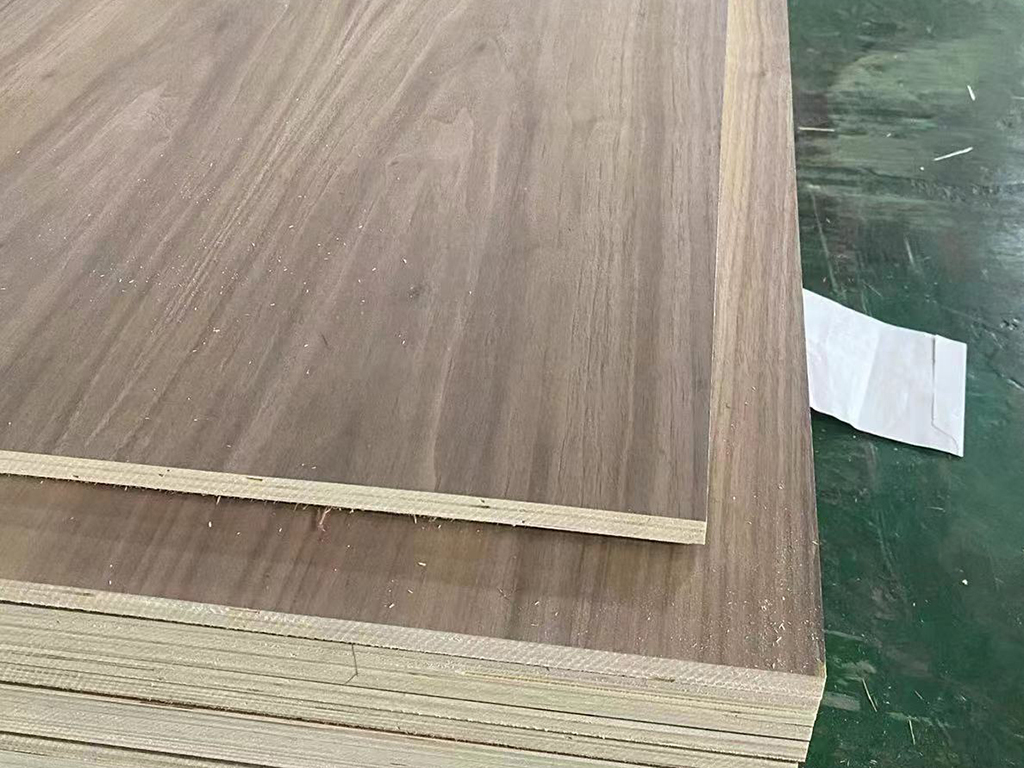
Harga lemari jati bekas is the Indonesian term for the price of used teak furniture, and buyers searching for harga lemari jati bekas want to know what second-hand teak wardrobes and cabinets cost before visiting a shop or an online listing. Harga lemari jati bekas follows the condition, the age, the craftsmanship, and the size of the piece, and the price helps a buyer set expectations. This guide explains harga lemari jati bekas, the cost drivers, the price bands by condition, and how to buy smart.
Teak is a durable hardwood that ages well, and a used teak wardrobe can last for decades if the wood is sound and the joints are tight. A buyer who knows the drivers sets a realistic budget.
Several factors move the price of a used teak wardrobe, and each one matters when a buyer compares listings.
A piece in good condition with no cracks, rot, or loose joints costs more than a worn or damaged one. The condition sets the base price.
An older piece with hand-carved detail or solid joinery costs more than a newer, machine-made one. The craftsmanship sets the premium.
A large wardrobe with multiple doors and drawers costs more than a small cabinet, and an ornate design costs more than a plain one. The size and design set the price.
Solid teak costs more than teak veneer over a cheaper core, and the buyer checks the edges and the weight to tell the difference. The wood quality sets the value.
The market groups used teak furniture into price bands by condition, and the bands help a buyer set expectations.
Near-new pieces with little wear sit at the highest price band, because they look almost new and need no repair. The buyer pays a premium for condition.
Good-condition pieces with minor wear sit in the mid band, and they need little or no repair. The buyer gets value here.
Fair-condition pieces with visible wear sit in the low band, and they may need refinishing or minor repair. The buyer saves money but adds work.
Poor-condition pieces with damage sit at the lowest band, and they may need major repair. The buyer saves the most but takes the most risk.
| Condition | Price band | Typical need |
|---|---|---|
| Near-new | Highest | None |
| Good | Mid | Minor touch-up |
| Fair | Low | Refinishing |
| Poor | Lowest | Major repair |
Indonesian buyers find used teak furniture through several channels, and each suits a different buyer.
Furniture shops that specialise in used or antique teak hold pieces with a known provenance, and the buyer can inspect the wood and the joints. The shop backs the sale.
Online listings offer used teak wardrobes from homeowners and dealers, and the buyer can compare prices and photos before visiting. The listing saves a wasted trip.
Antique dealers hold older, carved pieces with craftsmanship value, and the buyer pays a premium for the age and the detail. The dealer knows the history.
Buying direct from an owner can yield the lowest price, but the buyer takes more risk on condition and authenticity. The buyer inspects carefully.
A used teak piece is only worth buying if the wood and the joints are sound, and the buyer checks several points before paying.
The buyer looks for cracks in the panels and splits at the joints, because these weaken the piece and cost money to repair. A sound piece holds its shape.
The buyer checks for soft spots, powder, or insect holes, because rot and insects spread and ruin the wood. A firm, clean piece is sound.
The buyer checks that doors and drawers open smoothly and that joints are tight, because loose joints mean repair work. A tight joint holds the piece together.
The buyer checks the edges and the weight to tell solid teak from veneer over a cheaper core, because solid teak costs more and lasts longer. The edge reveals the construction.
A few habits at the counter keep the saving real and the piece sound.
The buyer inspects each piece rather than trusting a photo, because one bad piece ruins the saving. The check catches cracks and rot.
The buyer adds transport and refinishing to the piece price, because a distant seller with a low tag can end up costing more once freight is added.
Used teak stores in a dry, ventilated place, so the wood does not swell or mould. The dry store protects the piece.
A worn finish is easy to renew with sanding and oil or varnish, and the buyer accounts for this cost. The refinishing restores the look.
A few slips cost more than a higher piece price, and avoiding them keeps the project on budget.
Cracks and splits weaken the piece and cost money to repair, so the buyer checks the panels and joints before paying. A sound piece holds its shape.
Rot and insects spread and ruin the wood, so the buyer checks for soft spots and powder before paying. A firm, clean piece is sound.
Loose joints mean repair work, so the buyer checks that doors and drawers open smoothly before paying. A tight joint holds the piece together.
A piece that sits badly can warp or stain before it reaches the home.
Used teak stores in a dry, ventilated place, so the wood does not swell or mould. The dry store protects the piece.
Large pieces store flat on even supports off the ground, so the wood stays flat until it reaches the home.
A buyer checks these points before paying for a piece.
The buyer looks for cracks in the panels and splits at the joints.
The buyer checks for soft spots, powder, or insect holes.
The buyer checks that doors and drawers open smoothly.
The buyer adds transport and refinishing to the piece price before deciding.
The buyer also checks for cracks, rot, and insect damage before paying, because a damaged piece costs more to repair.
A used teak wardrobe that is sound and solid earns its price in a finished bedroom.
For a smooth purchase, the buyer brings measurements and a budget, so the shop can match the piece.
A used teak wardrobe that is sound and solid earns its price in a finished bedroom, and the right condition keeps the value.
A used teak wardrobe that is sound and solid earns its price in a finished bedroom, and the right condition keeps the value for years.
A buyer matches the piece to the room, and these cases show the match.
A bedroom wardrobe uses a used teak piece that is sound and solid, and the piece gives a warm, durable look. The wood ages well.
A living room cabinet uses a used teak piece with carved detail, and the piece gives a classic look. The craftsmanship shows.
A storage unit uses a used teak piece that is sound and solid, and the piece gives durable storage. The wood lasts for years.
It is the price of used teak wardrobes and cabinets in Indonesian, and the price follows condition, age, craftsmanship, size, and wood quality.
Furniture shops, online marketplaces, antique dealers, and direct owners all sell used teak, and a buyer compares condition and price.
Check for cracks, rot, insect damage, loose joints, and solid versus veneer construction. A sound piece holds its shape and opens smoothly.
Yes, teak is durable and ages well, and a sound used piece lasts for decades at a lower cost than new.
Inspect every piece, compare delivered cost, store in a dry place, and account for refinishing before deciding.
Harga lemari jati bekas follows condition, age, craftsmanship, size, and wood quality, and a buyer who inspects each piece gets a real saving. Match the condition to the budget, store in a dry place, and refinish when needed. For new panels with clean faces, dependable cores, and consistent thickness, a manufacturer such as HYY supplies Commercial Plywood and Melamine Plywood in standard grades.