Our Location
5th Floor, Huake Center, Lanshan District, Linyi City, Shandong Province, China

5th Floor, Huake Center, Lanshan District, Linyi City, Shandong Province, China

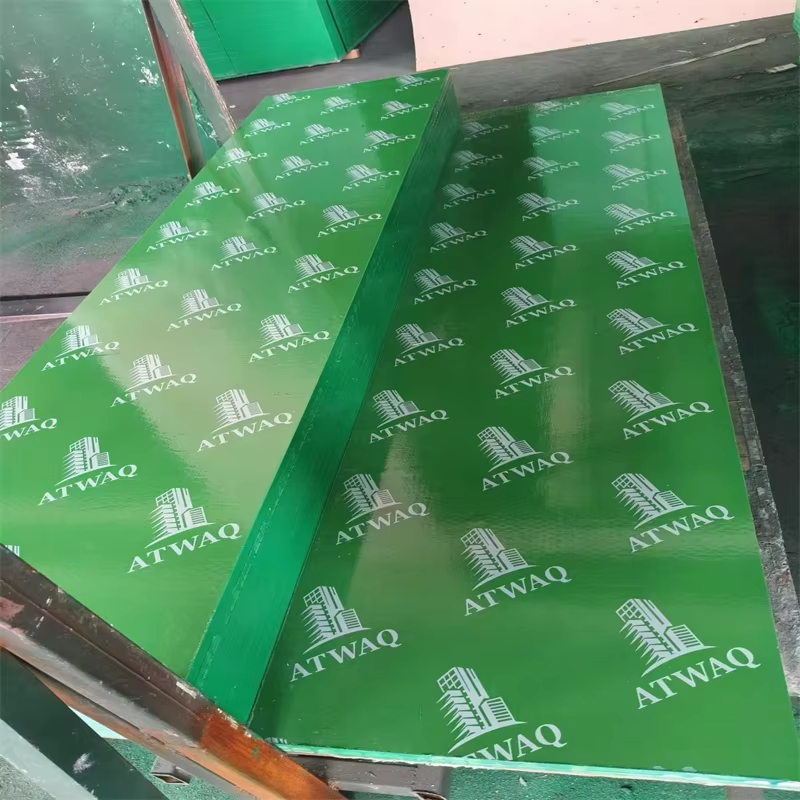
Tablero fenolico de 18mm is an 18 millimetre phenolic-faced panel, and the phenolic coating releases concrete cleanly and protects the core from moisture. Tablero fenolico de 18mm suits concrete formwork, and the coated face survives repeated pours if cleaned and stored flat. This guide explains tablero fenolico de 18mm, what the phenolic coating means, the grades and thicknesses it comes in, and how to buy and install the panel.
An 18 millimetre phenolic panel gives a strong, flat formwork surface that releases concrete cleanly, and the buyer who matches the film type to the duty gets a panel that lasts through repeated pours.
Tablero fenolico de 18mm refers to an 18 millimetre panel coated with a phenolic film, built for concrete formwork.
Eighteen millimetres is a standard formwork depth that carries concrete pressure across normal spans, and the depth sets the stiffness. The thickness suits heavy pours.
The phenolic film bonds to the face under heat and pressure, and the coating releases concrete cleanly and protects the core from water and abrasion. The film adds cost and reuses across pours.
The core uses hardwood or softwood veneers chosen for strength and stability, with a dense build that resists crushing under wet concrete. The core carries the pressure.
The panel uses an exterior-grade adhesive that resists water and weather, so the bond line does not soften when the panel gets wet. The glue is the core of the rating.
| Feature | What it means | Typical value |
|---|---|---|
| Thickness | Panel depth | 18 mm |
| Film | Coating type | Phenolic |
| Core | Wood species | Hardwood or softwood |
| Bond | Water resistance | Exterior |
The market groups formwork sheets by film type, core, and thickness, and the buyer matches each sheet to the duty.
Phenolic film suits the heaviest duty and the most pours, while melamine film suits lighter duty and fewer pours. The film type sets the reuse count.
Softwood cores cost less and suit general formwork, while hardwood cores cost more and suit heavy duty and fine finish. The species shifts the price.
The common sheet measures 1220 by 2440 millimetres, or 4 by 8 feet, and the standard size covers most column and slab forms. The size suits the formwork grid.
Exterior glue suits wet concrete and damp sites, and the higher class resists water and delamination. The exposure sets the requirement.
The panel serves concrete formwork, and the phenolic film earns its place on a busy site.
Tablero fenolico de 18mm forms columns and beams where wet concrete presses against the face for hours, and the coated face releases cleanly. The panel holds its shape.
Slab and foundation forms use tablero fenolico de 18mm that carry the concrete weight without bowing. The stiff panel keeps the concrete flat.
A tablero fenolico de 18mm survives several pours if cleaned and stored flat, and the buyer counts cycles rather than buying once. The reuse lowers the cost per pour.
Sites that pour daily or in wet weather benefit from the phenolic film, because the panel resists swelling and the film stays intact. The duty justifies the price.
The counter visit works best when the buyer knows the film type, the thickness, and the reuse count before asking the price.
The edge stamp names the species, the film type, the bond class, and the thickness, so the buyer reads it before paying. A missing stamp means an unknown sheet.
The buyer inspects the film for tears, bubbles, and uneven coverage, because a damaged film lets concrete stick and the sheet loses its reuse value. The coating protects the panel.
The price follows the film type and the thickness, and delivery and cutting add to the total, so a distant yard with a low tag can end up costing more once freight is added.
The buyer checks the face for voids and patches, the edge for a solid core, and the corner for squareness, swapping a bad panel at the rack. The inspection saves a return trip.
A formwork sheet performs only when it is fixed and cleaned correctly, and the builder follows the reuse duty.
Every cut edge exposes the core, so sealing or taping it keeps moisture out and keeps the panel strong. The seal guards the bond.
A release agent on the film face helps the concrete release cleanly, and the builder applies it before each pour. The agent extends the film life.
The builder cleans the face and edges after each pour, so the panel stays flat and the film stays intact. The cleaning extends the reuse count.
Sheets store flat on even supports off the ground under cover, so the panel stays flat and dry between pours. A leaning sheet can twist.
A few slips cost more than a higher sheet price, and avoiding them keeps the project on budget.
The film marks the duty, but the stamp names the grade, the bond class, and the thickness. The buyer reads the stamp before trusting the film.
Phenolic film suits heavy duty and more pours, while melamine suits lighter duty and fewer pours. The film type sets the reuse count.
A sheet with a voided core or a damaged film fails after it is fixed, so the buyer checks the face, the edge, and the stamp before paying.
A sheet that sits badly can warp or stain before it reaches the job.
Sheets store flat on even supports off the ground under cover, so the panel stays flat until it reaches the job site.
Even an exterior-bonded sheet loses strength if it sits soaked for weeks, so the buyer keeps every stack under cover.
A buyer checks these points before loading a coated sheet.
The buyer reads the species, film type, bond class, and thickness on the edge stamp.
The buyer inspects the film for tears, bubbles, and uneven coverage before paying.
The buyer inspects the edge for voids, splits, and swelling before paying.
The buyer adds delivery, cutting, and edge banding to the sheet price before deciding.
It is an 18 millimetre panel coated with a phenolic film, built for concrete formwork.
The phenolic film releases concrete cleanly and protects the core from water, so the panel survives several pours if cleaned and stored flat.
A phenolic-coated sheet can survive several pours depending on the film type and the care taken, and the count is higher than a standard sheet.
Twelve to twenty-five millimetres suits most formwork, and the depth follows the concrete pressure and the span.
Read the stamp for species, film type, bond class, and thickness, check the film for intactness, inspect the edge for voids, and compare delivered cost.
Tablero fenolico de 18mm releases concrete cleanly and protects the core across repeated pours, and the phenolic film earns its place on a busy site. Read the stamp, match the film type to the duty, and clean and store the panel between pours. For formwork panels with clean faces, dependable cores, and consistent thickness, a manufacturer such as HYY supplies Commercial Plywood and Film Faced Plywood in standard grades.