Our Location
5th Floor, Huake Center, Lanshan District, Linyi City, Shandong Province, China

5th Floor, Huake Center, Lanshan District, Linyi City, Shandong Province, China

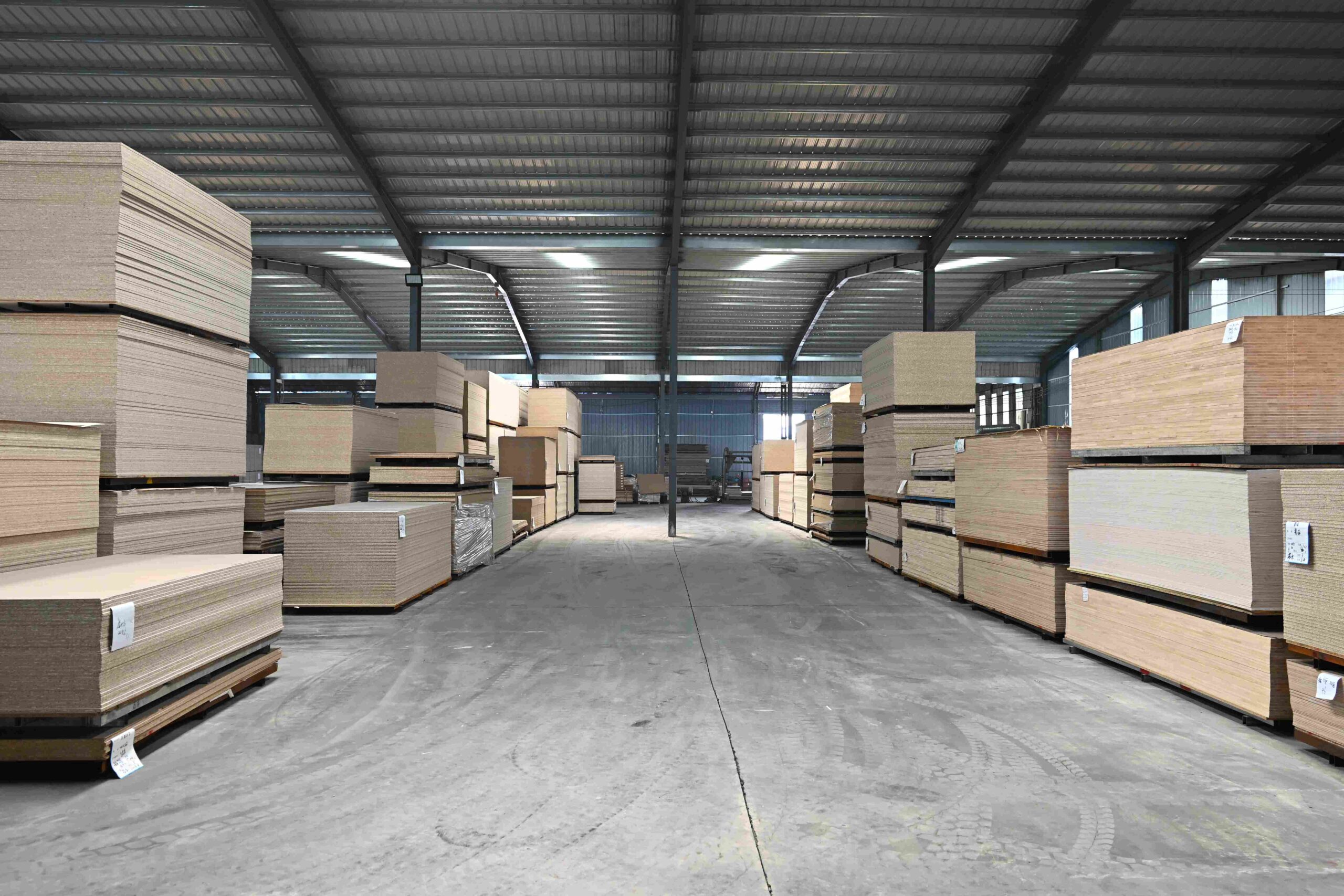
CDX chapa is a construction-grade plywood panel with a C-grade face and a D-grade back, and the X marks it as exterior glue. CDX chapa suits sheathing, subfloor, and roof decking where the panel stays hidden behind a finish. The C face allows knots and patches, while the D back allows larger defects, and the exterior glue resists weather during the build. This guide explains CDX chapa, the grades and sizes it comes in, where it fits, and how to buy and install the panel.
A CDX chapa panel is a workhorse sheet for construction, and the buyer who reads the stamp and matches the span to the frame gets a panel that performs well.
CDX chapa refers to a construction plywood panel with a C-grade face, a D-grade back, and exterior glue.
The C face allows knots, patches, and repairs, and it suits hidden work where appearance does not matter. The face is rough but sound.
The D back allows larger knots and defects, and it suits the hidden side of a panel. The back is rougher than the face.
The X marks exterior glue, and the bond resists water and weather during the build. The glue class sets the exposure.
Panels run from about 6 millimetres to 25 millimetres, and each step adds material cost and span capacity. The depth follows the span.
| Feature | What it means | Typical value |
|---|---|---|
| Face | Appearance | C grade |
| Back | Appearance | D grade |
| Glue | Bond class | Exterior |
| Thickness | Panel depth | 6 to 25 mm |
The market groups CDX panels by thickness and span rating, and the buyer matches each panel to the framing.
Structural CDX carries a span rating for floors, roofs, and walls, and the rating sizes the sheet. The stamp proves the capacity.
Sheathing CDX covers walls and roofs before finish, and the panel stiffens the frame. The sheet covers large areas.
Subfloor CDX covers joists before finish flooring, and the thickness matches the joist spacing. The panel gives a flat base.
CDX panels run from about 6 millimetres to 25 millimetres, and each step adds material cost and span capacity. The depth follows the span.
The panel serves construction duty, and the buyer matches the span rating to the frame.
CDX panels cover a framed wall before cladding and plasterboard go on, and the panel ties the frame together. The sheet stiffens the structure.
CDX panels cover rafters and trusses as a structural deck before the roofing goes on, and the span rating matches the rafter spacing. The rated sheet carries wind and snow loads.
CDX panels cover joists at normal spacing, giving a flat, stiff base for finish flooring. The sheet carries foot traffic and furniture loads.
CDX panels make site hoardings, guards, and temporary structures, where the appearance does not matter. The panel serves the temporary duty.
The counter visit works best when the buyer knows the span rating, the thickness, and the exposure before asking the price.
The edge stamp names the species, the face grade, the bond class, the thickness, and the span rating, so the buyer reads it before paying. A missing stamp means an unknown sheet.
The buyer measures the sheet at a few points because sanding can take it under the nominal figure, and the measured depth decides the span. The stamp gives the nominal figure.
The price follows the grade and the rating, and delivery and cutting add to the total, so a distant yard with a low tag can end up costing more once freight is added.
The buyer checks the face for voids and patches, the edge for a solid core, and the corner for squareness, swapping a bad panel at the rack. The inspection saves a return trip.
A flat sheet performs only when it is fixed correctly, and the installer follows the span rating and the fastening pattern.
The sheet lies with its strong axis across the supports and every edge sits on a joist or blocking, because an unsupported edge deflects under a load. The support keeps the sheet flat.
A small gap at the edges lets the panel move with moisture without buckling, and leaving no gap causes cupping in a wet season. The gap allows movement.
The fastening pattern follows the manufacturer and the code, with screws or nails set at regular spacing that resists uplift and keeps the sheet down. The pattern follows the rating.
The sheet goes on dry and stays dry, because a wet panel loses strength and a wet edge delaminates, so covering a partly built frame protects the investment.
A few slips cost more than a higher sheet price, and avoiding them keeps the project on budget.
A thin sheet spanning too far sags under a load, so the buyer checks the span table and picks the depth the job needs. The thickness carries the weight.
An interior-bonded sheet softens in damp, so using it outdoors leads to delamination. The glue class must match the exposure.
A sheet with a voided core or a swollen edge fails after it is fixed, so the buyer checks the face, the edge, and the stamp before paying.
A sheet that sits badly can warp or stain before it reaches the job.
Sheets store flat on even supports off the ground under cover, so the panel stays flat until it reaches the job site.
Even an exterior-bonded sheet loses strength if it sits soaked for weeks, so the buyer keeps every stack under cover.
A buyer checks these points before loading a sheet.
The buyer reads the species, face grade, bond class, thickness, and span rating on the edge stamp.
The buyer measures the sheet at a few points to confirm the nominal figure.
The buyer inspects the edge for voids, splits, and swelling before paying.
The buyer adds delivery, cutting, and edge banding to the sheet price before deciding.
It is a construction plywood panel with a C-grade face, a D-grade back, and exterior glue, used for sheathing and subfloor.
It is used for wall sheathing, roof sheathing, subfloor, and temporary works.
The exterior glue resists water during the build, but the panel is not meant for permanent wet exposure.
The span depends on the rating stamped on the sheet and the joist spacing, so the buyer matches the stamp to the frame.
Read the stamp for species, grade, bond class, thickness, and span rating, check the thickness and edge, and compare delivered cost.
CDX chapa is a construction-grade plywood panel with a C face, a D back, and exterior glue, and the buyer matches the span rating to the frame and the exposure. Read the stamp, fix with even fasteners and an expansion gap, and store sheets flat and dry. For structural panels with clean faces, dependable cores, and consistent thickness, a manufacturer such as HYY supplies Commercial Plywood and Film Faced Plywood in standard grades.