Our Location
5th Floor, Huake Center, Lanshan District, Linyi City, Shandong Province, China

5th Floor, Huake Center, Lanshan District, Linyi City, Shandong Province, China

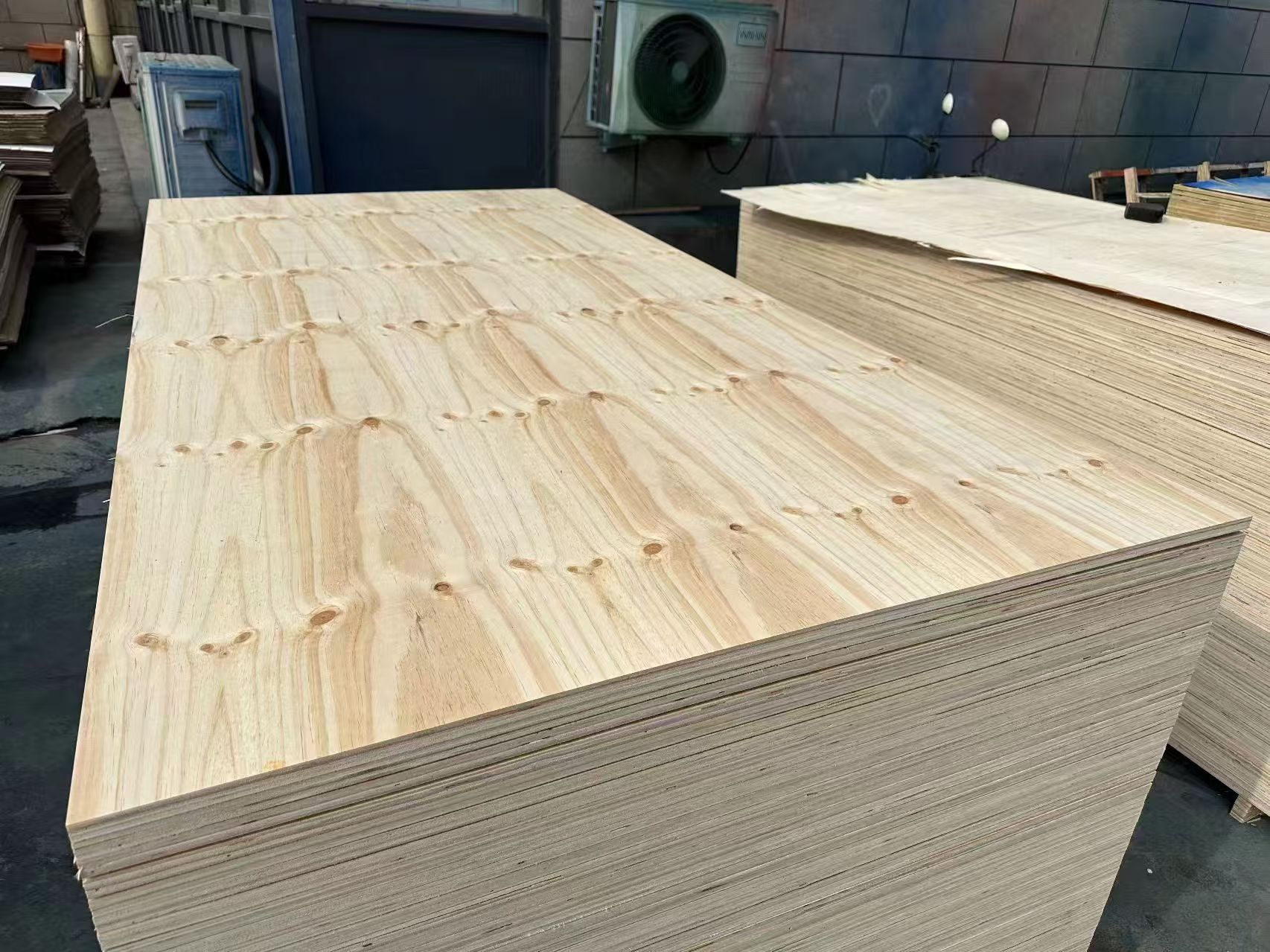
CDX plywood, often typed as “cd x plywood” in searches, is the workhorse sheathing grade used across North American construction for roof decks, wall framing, and subfloors. Buyers ask for it daily, yet the letters confuse many people: C and D name face grades, while X marks exterior glue. This guide explains exactly what CDX means, which jobs it fits, how it compares with OSB and higher grades, and how to order it without overpaying.
CDX panels measure 4 x 8 ft (1220 x 2440 mm), with thickness from 3/8 in to 3/4 in. The C side shows minor knots and patches, the D side has bolder defects, and the glue bond resists moisture well enough for sheltered exposure during construction.
CDX is a graded construction panel, not a brand. The C and D describe veneer quality on each face, and the X signals an exterior-grade adhesive that holds the layers together under damp conditions. Contractors select it because the grade balances strength, price, and visual tolerance for hidden work behind drywall, soffits, and roofing felt.
The C face allows small knots, minor patches, and slight discoloration, which makes it the visible side on many builds. The D face allows larger knots and open defects, so builders orient that side toward framing or insulation. Neither face suits fine furniture, which is why cabinet work uses A/B or hardwood veneer grades.
| Grade | Face quality | Typical use |
|---|---|---|
| AB | Smooth, minimal defects | Furniture, visible panels |
| AC and BC | One clean face, one repaired face | Cabinetry, shelving |
| CDX | Utility faces, exterior bond | Sheathing, subfloor, roofing |
| Marine | Highest quality, waterproof | Boat and water exposure |
X marks the bond, meaning the panel uses waterproof adhesive that survives the wet-and-dry cycle of a construction site. That bond does not make CDX waterproof; prolonged contact with standing water still swells the core and delaminates the layers. Use a weather barrier and correct installation gaps to protect the panel after it goes in.
Builders use CDX for structure rather than finish. Wall sheathing ties studs together and adds racking strength, roof sheathing carries the roof load, and subfloor panels give a stiff base for flooring. Each job shares the same working rules: support at the joints, correct fastener spacing, and an expansion gap around every panel. The panel works as one continuous sheet only when every edge rests on a stud, joist, or rafter and every supported edge receives its fasteners.
Sheathing panels span the framing member in the strong direction, which for an 8 ft panel means spanning studs or rafters spaced 16 or 24 in. Long edges sit on the framing, and the installer staggers the joints between rows. Blocking fills any unsupported edge, so no panel corner floats in mid-air and the assembly carries load without flex.
Roof decks take a film-faced or CDX panel that resists moisture during shingle installation, then stays dry under the finished roof. Wall sheathing uses the same logic, adding stiffness against wind loads before the cladding goes on. Contractors stagger the vertical joints and nail every supported edge so the panel works as one sheet.
3/4 in CDX works as subfloor over floor joists, carrying foot traffic and supporting finish flooring. It also shows up as temporary decking on scaffolding and as the base layer for concrete forms. When the panel will see rain for weeks, a fully exterior-treated product performs better than standard CDX.
Thickness selection follows the span between supports and the load above. Roof sheathing over rafters spaced 24 in often uses 1/2 in panels, floors over joists at 16 in use 3/4 in, and walls use 3/8 in or 1/2 in depending on the structural design. The grade stamp and the framing plan together settle the final number, so builders read both before ordering.
3/8 in CDX covers light wall sheathing and some roof applications over close rafters. 1/2 in panels handle most roof and wall decks with standard spacing. 3/4 in panels support floors, platforms, and heavy racking where the load concentrates. Each step up adds material cost, so buyers avoid over-specifying thickness for a light duty job.
| Thickness | Common use | Joist or rafter spacing |
|---|---|---|
| 3/8 in | Light wall sheathing | 16 in |
| 1/2 in | Roofs, walls | 16-24 in |
| 5/8 in | Heavy walls, some floors | 16 in |
| 3/4 in | Subfloors, platforms | 16 in |
Larger panel thickness adds stiffness very quickly, so the material cost climbs fast once you pass the size the design needs. Waiting too thin makes the floor bounce or the roof flex between supports, while overbuilding wastes money on every sheet in the order. Match the thickness to the span table and stop there.
Every CDX panel needs nails or screws at each supported edge and at regular centres across the field. The framing plan lists the pattern, usually 6 in at edges and 12 in in the field for walls. T-and-H clips sometimes support panel edges on wide roof spans, but the fastener schedule drives most of the holding strength.
The classic debate pits CDX plywood against oriented strand board (OSB). Plywood handles concentrated loads and repeated fastening better, while OSB costs less and resists racking when dry. The choice depends on load type, exposure time, and local pricing, so contractors compare both against the specific project.
Plywood edge-grains grab roofing nails and deck screws firmly, even after the panel flexes. OSB tends to crumble around fasteners at the edges once it cycles between wet and dry conditions. For roofs and floors that take foot traffic and storms, plywood edge performance often justifies the price difference.
OSB swells visibly at edges when wet and stays that way, while plywood recovers better after drying. OSB remains cheaper per sheet in most markets, which keeps it popular for budget builds. Buyers who plan a long exposure before finishing should spend on CDX or a treated panel to avoid replacement labor later.
Ordering accurate quantities and thickness saves both money and trips to the lumber yard. Measure the roof or wall area, add 10 percent for cuts and waste, and confirm the thickness matches the structural design. Larger orders straight from a mill or importer cut the per-sheet cost substantially.
Every certified panel carries a grade stamp printed on the face or edge. The stamp lists the grading agency, grade, and bond type, so a quick check verifies you received CDX rather than a lower interior panel. Importers should request the mill certificate to confirm the panels match the quoted specification.
Project buyers raise the same questions about CDX every week, so the answers below cover the decisions that come up most often.
The X marks exterior glue, meaning the panel uses a waterproof adhesive bond suited to construction exposure. It does not mean the panel is fully waterproof.
CDX survives rain during construction and works for outdoor projects when sealed with a finish on all edges. Continuous outdoor exposure without protection eventually swells the core, so choose a treated or marine panel for decking and long-term damp conditions.
It works for workshop fixtures and hidden shelving, but the rough faces and knots limit its value for visible furniture. Use a smooth hardwood or decorative-faced panel when appearance matters.
Roof decks typically use 3/8 in to 1/2 in panels over rafters spaced 16 to 24 in, with the final choice set by the structural design and local code.
OSB generally costs less per sheet, though regional prices shift. The real comparison weighs fastener holding, moisture recovery, and the cost of a failed panel against the upfront saving.
Choosing the right construction panel comes down to bond, face grade, and the job’s moisture exposure. CDX handles the dry-ish, weather-exposed structure well, while marine and treated grades cover wetter situations. For buyers comparing imported stock, a manufacturer like HYY supplies Commercial Plywood and Film Faced Plywood in construction thicknesses, which helps when you need consistent panels across a container order.