Our Location
5th Floor, Huake Center, Lanshan District, Linyi City, Shandong Province, China

5th Floor, Huake Center, Lanshan District, Linyi City, Shandong Province, China

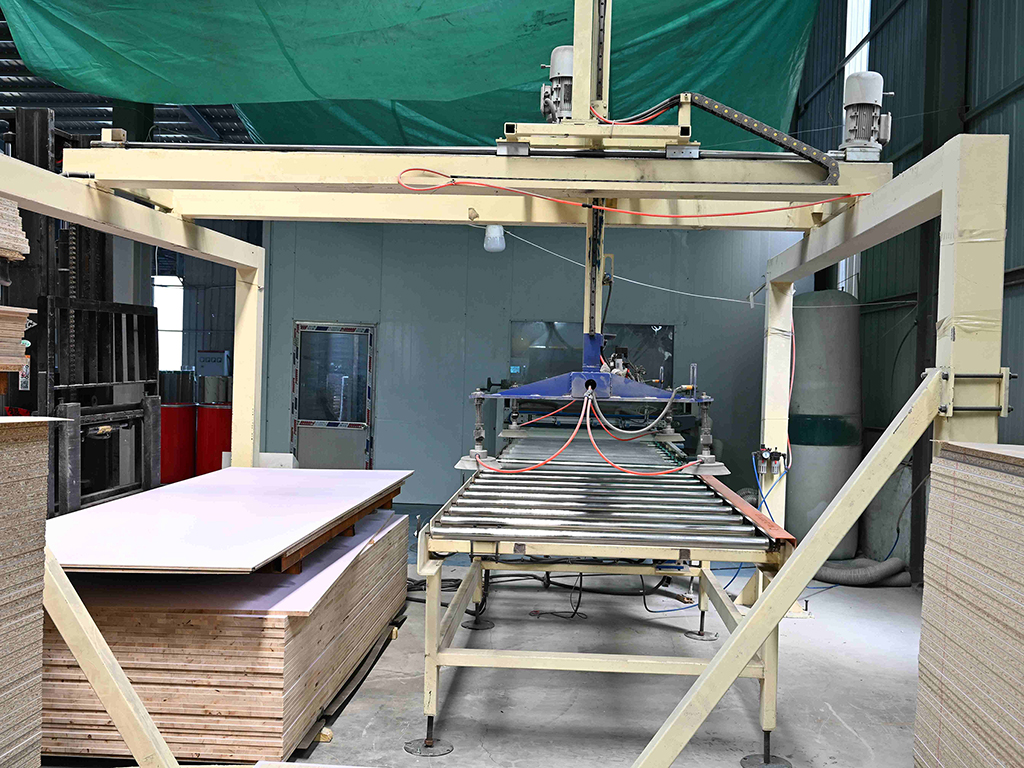
Chapa forte de madera comprimida is a compressed wood panel, and buyers search for chapa forte de madera comprimida when they need a dense, strong sheet for heavy-duty applications. Chapa forte de madera comprimida is made by compressing wood fibres or veneers under heat and pressure, and the panel gives a hard, durable surface that resists impact and wear. This guide explains chapa forte de madera comprimida, the materials and construction, the grades and sizes, and how to buy and install the panel.
A compressed wood panel gives a hard, durable surface that resists impact and wear, and the buyer who matches the grade to the job gets a panel that performs well.
Chapa forte de madera comprimida refers to a compressed wood panel made by pressing wood fibres or veneers under heat and pressure.
The core is compressed to a higher density than a standard sheet, so the panel resists crushing and impact. The dense build adds stiffness and strength.
The compressed surface is hard and durable, and it resists wear and abrasion better than a standard plywood face. The surface takes paint or varnish.
Panels run from about 6 millimetres to 25 millimetres, and each step adds material cost and stiffness. The depth follows the load.
Interior, moisture-resistant, and exterior glue tell the buyer how the panel copes with damp, and the higher class costs more. The exposure sets the requirement.
| Feature | What it means | Typical value |
|---|---|---|
| Core | Compressed wood | High density |
| Surface | Hard, durable | Wear resistant |
| Thickness | Panel depth | 6 to 25 mm |
| Bond | Water resistance | Interior to exterior |
The market groups compressed wood panels by core, surface, and bond class, and the buyer matches each panel to the job.
Compressed plywood uses a densified core with a plywood face, and it suits heavy-duty applications where strength and a clean face both matter. The panel resists crushing.
Compressed MDF uses a densified fibre core with a smooth face, and it suits furniture and interior work where a hard, smooth surface matters. The panel machines cleanly.
Compressed particleboard uses a densified particle core, and it suits heavy-duty furniture and industrial applications. The panel costs less.
Exterior compressed panels use an exterior bond for outdoor and wet duty, and the panel resists weather. The glue resists damp.
The panel serves heavy-duty applications, and the buyer matches the grade and the bond class to the job.
Heavy-duty furniture uses compressed wood panels for a hard, durable surface that resists wear and impact. The panel lasts longer.
Industrial benches, shelves, and work surfaces use compressed panels for strength and durability. The panel carries the load.
Flooring underlayment uses compressed panels for a stiff, flat base under finish flooring. The panel resists compression.
Construction jigs and templates use compressed panels for a hard, precise surface. The panel holds a dimension.
The counter visit works best when the buyer knows the core, the surface, and the thickness before asking the price.
The buyer picks compressed plywood for strength, compressed MDF for smoothness, or compressed particleboard for cost. The core sets the duty.
The buyer inspects the surface for even density, no soft spots, and a smooth finish. The surface sets the look.
Interior glue suits dry rooms, moisture-resistant glue suits damp areas, and exterior or marine glue suits outdoor or wet work. The glue class sets the duty.
The price follows the core and the thickness, and delivery and cutting add to the total. The buyer compares like for like across suppliers.
A panel performs only when it is fixed and finished correctly, and the installer follows the manufacturer’s pattern.
A sharp blade leaves a clean edge, and measuring from the square corner keeps the part true. The saw kerf removes a little width, so the buyer subtracts it from the cut list.
Pre-drilling small holes stops the veneer from splintering, and countersinking lets a screw head sit flush. The fixing holds without damage.
A compressed panel edge shows the core, so edge banding or a solid lipping covers it on visible parts. The edge finish completes the look.
Paint, stain, or varnish protects the surface and suits the grade, and the finish decides the final look.
A few slips cost more than a higher sheet price, and avoiding them keeps the project on budget.
The brand name marks the sheet, but the stamp names the grade, the bond class, and the thickness. The buyer reads the stamp before trusting the brand.
An interior-bonded sheet softens in damp, so using it outdoors leads to delamination. The glue class must match the exposure.
A sheet with a voided core or a swollen edge fails after it is fixed, so the buyer checks the face, the edge, and the stamp before paying.
A sheet that sits badly can warp or stain before it reaches the job.
Sheets store flat on even supports off the ground under cover, so the panel stays flat until it reaches the job site.
Even an exterior-bonded sheet loses strength if it sits soaked for weeks, so the buyer keeps every stack under cover.
A buyer checks these points before loading a panel.
The buyer picks compressed plywood, MDF, or particleboard to match the duty.
The buyer inspects the surface for even density, no soft spots, and a smooth finish.
The buyer matches the glue class to the exposure.
The buyer adds delivery, cutting, and edge banding to the panel price before deciding.
It is a compressed wood panel made by pressing wood fibres or veneers under heat and pressure, giving a hard, durable surface.
It is used for heavy-duty furniture, industrial benches, flooring underlayment, and construction jigs.
It resists water better than standard panels if it carries an exterior bond, but a cut edge should still be sealed.
Compressed plywood suits strength, compressed MDF suits smoothness, and compressed particleboard suits cost. The core follows the duty.
Check the core, the surface, the glue class, and the thickness, and compare delivered cost across suppliers.
Chapa forte de madera comprimida gives a hard, durable surface that resists impact and wear, and the buyer matches the core and the bond class to the job. Read the stamp, match the exposure, and finish the surface to suit the grade. For panels with clean faces, dependable cores, and consistent thickness, a manufacturer such as HYY supplies Commercial Plywood and Melamine Plywood in standard grades.