Our Location
5th Floor, Huake Center, Lanshan District, Linyi City, Shandong Province, China

5th Floor, Huake Center, Lanshan District, Linyi City, Shandong Province, China

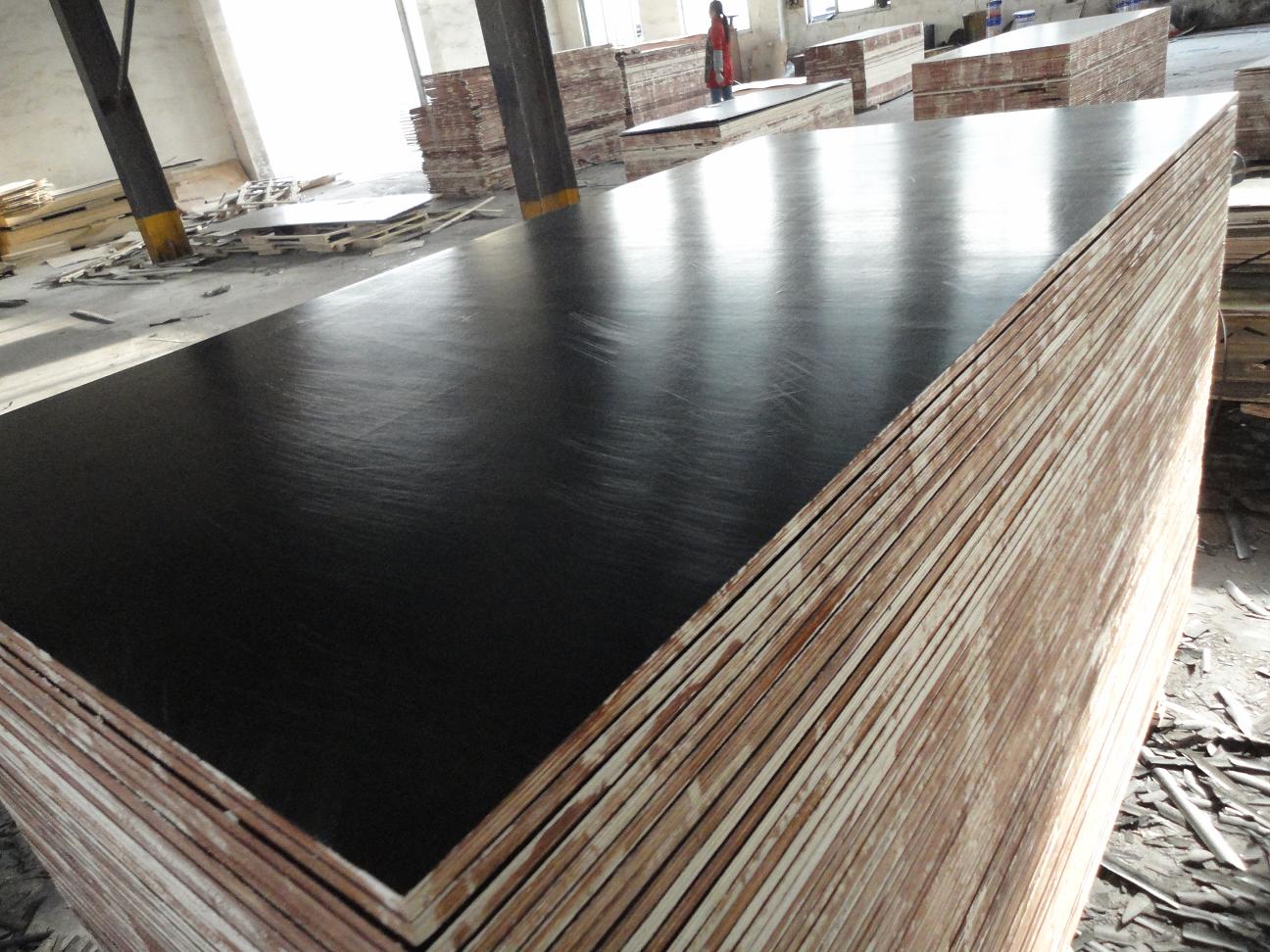
Ezform film-faced plywood is a concrete-formwork panel branded under the Ezform name, coated with a film face that releases concrete cleanly and protects the core from moisture. Ezform film-faced plywood suits repeated pours on a site, and the coated face survives several cycles if cleaned and stored flat. This guide explains Ezform film-faced plywood, what the coating means, the grades and thicknesses it comes in, and how to buy and install the panel.
A formwork sheet that releases concrete cleanly and survives repeated pours earns its price, and the Ezform film face is built for that duty.
Ezform film-faced plywood refers to a panel coated with a film face under the Ezform brand, built for concrete formwork.
The film bonds to the face under heat and pressure, and the coating releases concrete cleanly and protects the core from water. The film adds cost and reuses across pours.
The core uses hardwood or softwood veneers chosen for strength and stability, with a dense build that resists crushing under wet concrete. The core carries the pressure.
The panel uses an exterior-grade adhesive that resists water and weather, so the bond line does not soften when the panel gets wet. The glue is the core of the rating.
An Ezform film-faced sheet survives several pours if cleaned and stored flat, and the count depends on the film type and the care taken. The reuse lowers the cost per pour.
| Feature | Ezform sheet | Standard sheet |
|---|---|---|
| Film | Phenolic or melamine | Phenolic or melamine |
| Core | Hardwood or softwood | Softwood |
| Reuse count | Higher | Lower |
| Cost per pour | Lower | Higher |
The market groups formwork sheets by film type, core, and thickness, and the buyer matches each sheet to the duty.
Phenolic film suits the heaviest duty and the most pours, while melamine film suits lighter duty and fewer pours. The film type sets the reuse count.
Formwork sheets run from 12 millimetres to 25 millimetres, and each step adds material cost and stiffness. A thicker sheet survives more pours.
The common sheet measures 1220 by 2440 millimetres, or 4 by 8 feet, and the standard size covers most column and slab forms. The size suits the formwork grid.
Exterior glue suits wet concrete and damp sites, and the higher class resists water and delamination. The exposure sets the requirement.
The panel serves concrete formwork, and the film face earns its place on a busy site.
Ezform sheets form columns and beams where wet concrete presses against the face for hours, and the coated face releases cleanly. The panel holds its shape.
Slab and foundation forms use Ezform sheets that carry the concrete weight without bowing. The stiff panel keeps the concrete flat.
An Ezform sheet survives several pours if cleaned and stored flat, and the buyer counts cycles rather than buying once. The reuse lowers the cost per pour.
Sites that pour daily or in wet weather benefit from the film face, because the panel resists swelling and the film stays intact. The duty justifies the price.
The counter visit works best when the buyer knows the film type, the thickness, and the reuse count before asking the price.
The edge stamp names the species, the film type, the bond class, and the thickness, so the buyer reads it before paying. A missing stamp means an unknown sheet.
The buyer inspects the film for tears, bubbles, and uneven coverage, because a damaged film lets concrete stick and the sheet loses its reuse value. The coating protects the panel.
The price follows the film type and the thickness, and delivery and cutting add to the total, so a distant yard with a low tag can end up costing more once freight is added.
The buyer checks the face for voids and patches, the edge for a solid core, and the corner for squareness, swapping a bad panel at the rack. The inspection saves a return trip.
A formwork sheet performs only when it is fixed and cleaned correctly, and the builder follows the reuse duty.
Every cut edge exposes the core, so sealing or taping it keeps moisture out and keeps the panel strong. The seal guards the bond.
A release agent on the film face helps the concrete release cleanly, and the builder applies it before each pour. The agent extends the film life.
The builder cleans the face and edges after each pour, so the panel stays flat and the film stays intact. The cleaning extends the reuse count.
Sheets store flat on even supports off the ground under cover, so the panel stays flat and dry between pours. A leaning sheet can twist.
A few slips cost more than a higher sheet price, and avoiding them keeps the project on budget.
A phenolic-coated sheet costs more than a melamine-coated sheet, so comparing prices alone misleads. The buyer compares the same film type.
A cheaper sheet with fewer pours costs more per pour, so the buyer counts cycles before judging price. The reuse count sets the value.
A sheet with a voided core or a damaged film fails after it is fixed, so the buyer checks the face, the edge, and the stamp before paying.
A sheet that sits badly can warp or stain before it reaches the job.
Sheets store flat on even supports off the ground under cover, so the panel stays flat until it reaches the job site.
Even an exterior-bonded sheet loses strength if it sits soaked for weeks, so the buyer keeps every stack under cover.
A buyer checks these points before loading a film coated sheet.
The buyer reads the species, film type, bond class, and thickness on the edge stamp.
The buyer inspects the film for tears, bubbles, and uneven coverage before paying.
The buyer inspects the edge for voids, splits, and swelling before paying.
The buyer adds delivery, cutting, and edge banding to the sheet price before deciding.
The buyer also checks the film for tears, bubbles, and uneven coverage before paying, because a damaged film lets concrete stick.
A buyer checks these points before loading a film coated sheet.
The buyer reads the species, film type, bond class, and thickness on the edge stamp.
The buyer inspects the film for tears, bubbles, and uneven coverage before paying.
The buyer inspects the edge for voids, splits, and swelling before paying.
The buyer adds delivery, cutting, and edge banding to the sheet price before deciding.
A film coated panel lasts longer when the buyer looks after it, and a few habits protect the face and the core.
The builder cleans the face and edges after each pour, so the panel stays flat and the film stays intact. The cleaning extends the reuse count.
Sheets store flat on even supports off the ground under cover, so the panel stays flat and dry between pours. A leaning sheet can twist.
A worn film face lets concrete stick and moisture reach the core, so the builder re-coats or replaces the panel before the bare wood shows. A fresh face keeps the panel sound.
It is a concrete-formwork panel coated with a film face under the Ezform brand, built for repeated pours.
The film face releases concrete cleanly and protects the core from water, so the panel survives several pours if cleaned and stored flat.
An Ezform film-faced sheet can survive several pours depending on the film type and the care taken, and the count is higher than a standard sheet.
Twelve to twenty-five millimetres suits most formwork, and the depth follows the concrete pressure and the span.
Read the stamp for species, film type, bond class, and thickness, check the film for intactness, inspect the edge for voids, and compare delivered cost.
Ezform film-faced plywood releases concrete cleanly and protects the core across repeated pours, and the film face earns its place on a busy site. Read the stamp, match the film type to the duty, and clean and store the panel between pours. For formwork panels with clean faces, dependable cores, and consistent thickness, a manufacturer such as HYY supplies Commercial Plywood and Film Faced Plywood in standard grades.