Our Location
5th Floor, Huake Center, Lanshan District, Linyi City, Shandong Province, China

5th Floor, Huake Center, Lanshan District, Linyi City, Shandong Province, China

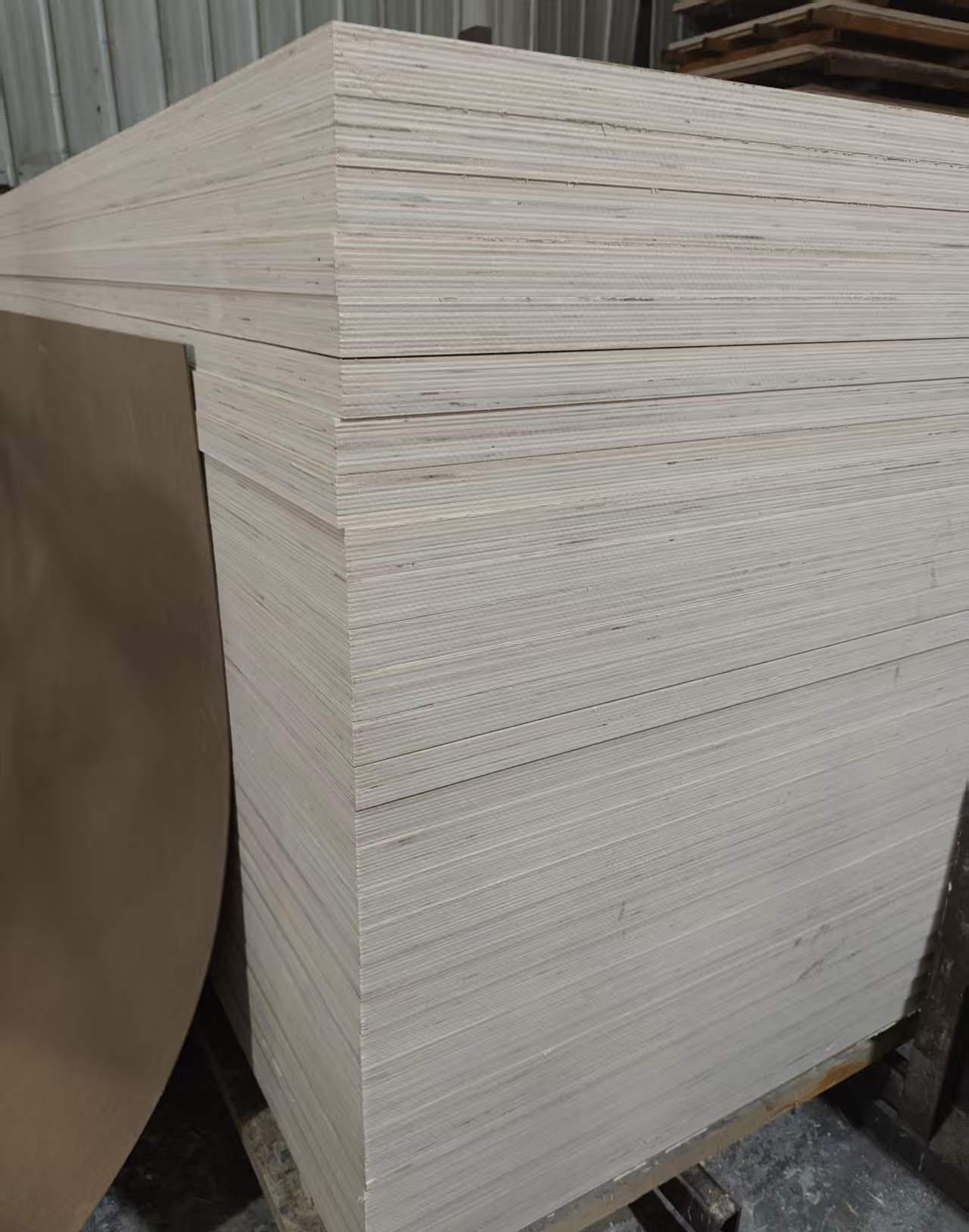
Fire-X plywood, often searched as “fire x plywood,” names a fire-retardant-treated panel that slows surface flame spread in high-risk interiors. The fire rating earns the panel a place in corridors, exit walls, and large assembly areas where a standard plywood face fails the code. This guide explains how pressure-treated fire-resistant plywood works, which classes it reaches, where the code demands it, and how to confirm the treatment belongs to the actual batch you order.
Fire-retardant plywood starts as a standard panel, then factory treatments pressure-impregnate the veneers with fire-retardant chemistry before or during layup. The treatment does not change the visible wood much, but it changes the fire behavior: surface flame spread drops, and the panel resists ignition longer under heat.
The fire chemistry works in two ways. It delays ignition by cooling the wood surface and slowing the release of flammable gases, and it reduces flame spread by limiting how fast a fire travels across the panel face. Manufacturers judge the result against a standard tunnel test and assign the panel a class based on the measured flame-spread index.
Standard interior plywood lands around 100-200 on the flame-spread scale, which reaches the C class in many codes. Fire-retardant-treated panels test much lower, commonly reaching class A at 25 or below, with class B at 26-75 for lighter treatments. The lower the index, the more the panel resists flame travel and the more code roles it qualifies for.
| Class | Flame-spread index | Typical panel |
|---|---|---|
| Class A | 0-25 | Pressure-treated fire-retardant plywood |
| Class B | 26-75 | Lighter-treated or premium panels |
| Class C | 76-200 | Standard interior plywood |
Pressure impregnation forces the fire-retardant chemical deep into the veneers under pressure, which gives a rating that survives cutting and sanding. Surface coatings suit some interior treatments but lose their effect where the face gets cut or scratched. Buyers specify pressure-treated stock when the panel will be cut to size on site.
Manufacturers measure fire-retardant panels in a controlled tunnel test that records how far a flame travels across the surface in a set time. The measured value maps onto a flame-spread index, and the index assigns the class. The same test reports smoke development, which some occupancies restrict as well as flame travel.
Tests such as ASTM E84 in North America and EN 13501-1 in Europe produce the class under each standard’s own scale. A panel rated class A under one method may carry a different label under another, so the certificate names the standard alongside the class. Exporting buyers match the destination code, not the home-market letter.
| Region | Standard | Class naming |
|---|---|---|
| North America | ASTM E84 | Class A, B, C by index |
| Europe | EN 13501-1 | A1, B-s1,d0 and similar |
| Australia | AS 1530 | Group numbers by spread |
The report carries more than the flame class. Smoke development, heat release, and ignition resistance all shape how a panel behaves during an early fire. Occupancies with smoke-sensitive corridors review those numbers alongside the class, and the buyer requests the complete sheet rather than the single letter.
Building codes set the maximum flame-spread class for interior surfaces by occupancy and location. High-traffic corridors, exit stairs, assembly rooms, and many commercial interiors ask for class B or better, which regular plywood cannot meet. Fire-X panels fill that gap while keeping the wood look contractors want.
Exit routes need surfaces that slow flame spread so people can evacuate. Class A and B panels suit these walls and ceilings, and the code applies to the actual finish in place. A single untreated wainscot in an exit corridor can fail an inspection, so the spec names the class before materials arrive.
Auditoriums, restaurants, retail floors, and similar densely occupied spaces often require tighter surface classes than ordinary rooms. Fire-rated plywood panels line these spaces with a wood finish that still passes the review. The fire rating travels with the panel, and the certificate sits in the project file.
Fire-retardant panels ship with the third-party test report, and the buyer checks it against the delivered batch mark. A certificate that names the product line, the class, and the standard closes the compliance file early. The report also answers the site inspector, who reviews the finish in place against the drawings.
A fire-rated panel still needs the right bond and emission class for its room. The fire treatment and the core construction are independent lines, so the spec states both. A corridor panel reads class A, exterior-bond-free, E1, and a smooth face, each verified by its own certificate section. Merging the requirements into one order line keeps the approval straightforward.
The price gap between fire-rated and standard plywood reflects the treated chemistry and the certification. Fire-X panels cost a clear step above ordinary interior board, and the premium pays for the treatment, the test, and the documentation. The choice comes down to the code requirement, not the appearance, because the two panels look alike once installed.
Fire-retardant panels also resist ignition and slow heat release in the early minutes of a fire, which buys evacuation time. The smoke characteristics stay part of the test record, and buyers with a smoke-sensitive occupancy check that number as well. The full test report covers flame, smoke, and the class.
Not every fire-retardant panel performs the same under heat, even when the certificate shows the same class. The chemical loading, the veneer density, and the edge treatment all influence how the panel behaves through a real fire. Buyers compare the test method, the chemical retention, and the reported smoke figure across quotes, then keep the panel with the strongest documented record for the job.
Ordinary rooms with no code limit on flame spread keep using standard plywood at a lower cost. Structural sheathing, hidden framing, and furniture builds where the panel sits behind other layers rarely need the treated face. Spending on fire treatment there adds cost without changing the required performance.
A fire-retardant claim needs the test certificate behind it, because the treatment can be faked or diluted in cheap supply. The buyer asks for the third-party test report naming the product line, the class, and the standard, then confirms the delivered panels carry the matching stamp and batch mark.
Treated panels cut with standard tools, and the treatment stays effective across sawn edges. Installers prime and fasten as usual, with the same edge sealing that any plywood needs in damp service. The certificate and the batch mark travel together so the inspector sees the whole record.
The delivered panels carry a stamp, and the buyer checks the batch number against the test report the factory issued. A mismatch between the certificate and the stock means the approval file has a gap, so the check happens at delivery rather than at inspection. When the batch matches, the flame-spread class, the standard, and the product line all trace back to one record that closes the compliance file.
Specifiers ask the same questions about fire-retardant plywood, and these answers cover the decisions that come up again and again.
No. Fire-X carries a pressure-impregnated fire-retardant treatment that lowers the surface flame-spread and delays ignition. The treatment and the certificate set it apart from standard interior board.
Most pressure-treated panels reach class A at a flame-spread index of 25 or below, and lighter treatments reach class B. The exact class sits on the third-party test report for the product line.
Yes. Treated panels take paint, edges, and fasteners like standard plywood, and the rating survives cutting. The certificate and batch record keep the panel traceable in the project.
Mostly no. The face keeps its natural grain and finish, which is why specifiers choose fire-rated plywood over metal or gypsum where a wood look matters.
Where the local code limits interior flame spread by occupancy and location, the treated panel becomes a compliance requirement. The requirement comes from the building code table, so the designer confirms the class before ordering.
Fire-X plywood earns its place wherever the code limits surface flame spread and the design still wants wood. The treatment, the class, and the certificate work as one set, and the buyer confirms all three before the batch ships. For fire-rated interior orders, a manufacturer such as HYY supplies Film Faced Plywood and Commercial Plywood with the test documentation on the line, which lets specifiers close the compliance file early.