Our Location
5th Floor, Huake Center, Lanshan District, Linyi City, Shandong Province, China

5th Floor, Huake Center, Lanshan District, Linyi City, Shandong Province, China

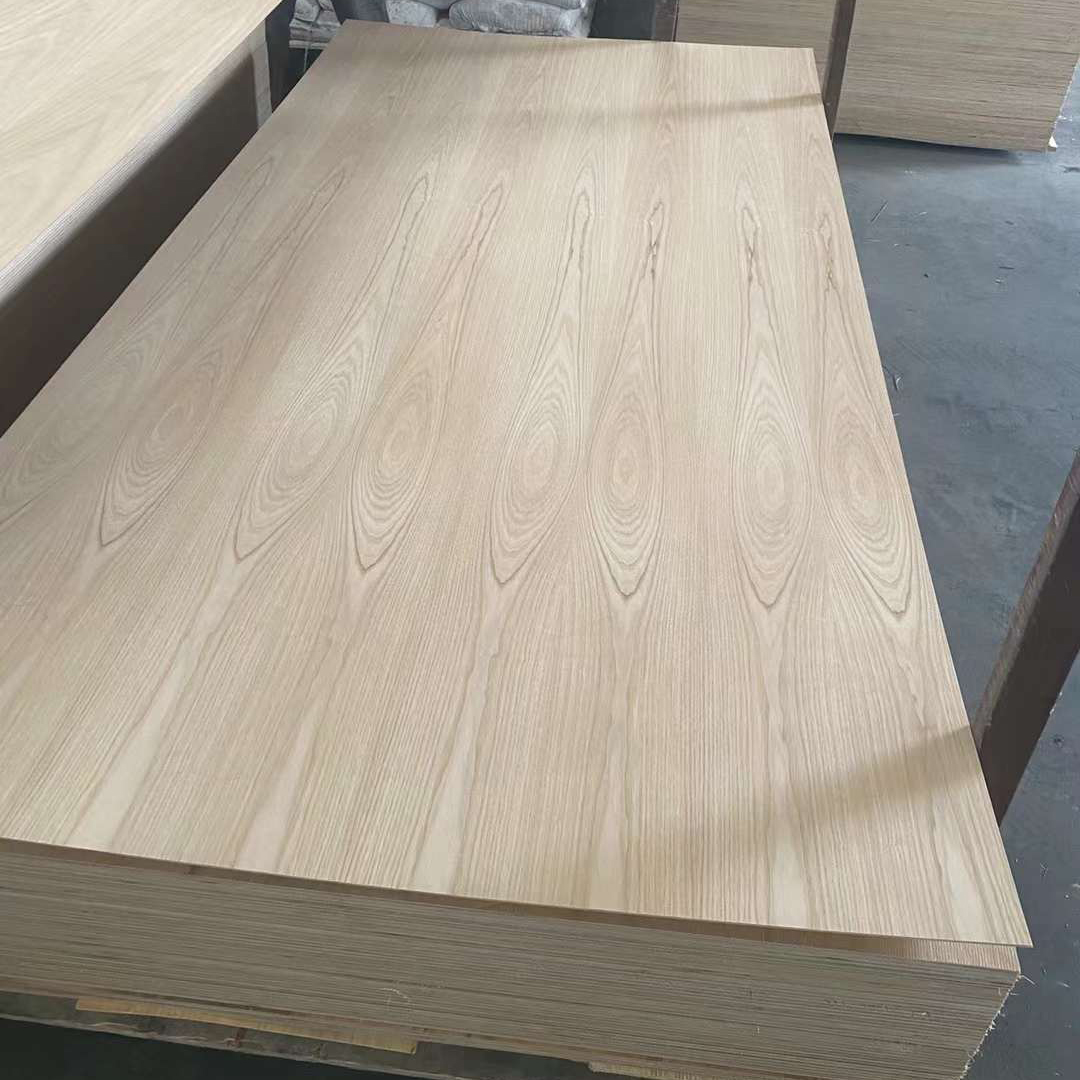
G lite plywood, like the e-lite labels that fill online listings, points to a lightweight panel built for handling ease and freight savings rather than maximum stiffness. Buyers who search g lite plywood want the light side of the panel family: a low-density core under a smooth face that installs fast and ships cheap. This guide explains what the lite core delivers, where the weight saving earns its keep, and the trade-offs a designer must design around.
Lightweight plywood pairs standard face veneers with a low-density core such as poplar or softwood, cutting the sheet weight without changing its flat, cross-laminated structure. The panel uses the same 2440 x 1220 mm sizes and thickness range as standard stock, so switching to it rarely changes the cutting plan.
The core density decides the weight. Poplar cores run light, hardwood and birch cores heavier, and engineered cores lighter still, while the face veneers stay standard. A lite panel keeps the look and flatness of plywood while dropping the kilograms that freight bills and site crews both feel.
A 12 mm poplar-core panel weighs roughly 16-18 kg against 21-23 kg for birch of the same size. The gap builds across a full order: a pallet of lite panels ships lighter and an installer carries each sheet with less strain. The difference also shows in the frame that supports the final build.
| Core type | Weight at 12 mm | Best fit |
|---|---|---|
| Poplar | About 16-18 kg | Wall panels, furniture backs |
| Softwood | About 17-19 kg | Interior fit-out, linings |
| Hardwood | About 19-21 kg | Shelving, cabinets |
| Birch | About 21-23 kg | Worktops, stressed parts |
Light cores still lay up in cross-laminated veneers, so the panel keeps the flatness and dimensional stability that set plywood apart from solid boards. What changes is stiffness and edge screw-holding, not the fundamental character of the product. The panel remains true plywood, just with a lighter middle.
The choice between a lite panel and standard stock comes down to three columns: weight, stiffness, and price. The lite core wins the first and often the third, while standard and hardwood cores win the second. A buyer that ignores any one column orders the wrong panel for the span it must carry.
| Property | Lite core | Standard core |
|---|---|---|
| Sheet weight (12mm) | Lower by 10-25% | Reference |
| Bending stiffness | Moderate | Higher |
| Edge screw-holding | Moderate | Stronger |
| Handling and freight | Lighter | Heavier |
| Typical price | Near standard | Reference |
A wall panel that never spans unsupported values the light core’s handling and freight saving. A bookshelf that spans a meter values the stiffness the light core gives up. The same buyer keeps both panels in stock and matches the core to the part, which is how mixed projects stay light where they can and stiff where they must.
Raising the thickness recovers stiffness on a light core: an 18 mm lite panel spans further than a 12 mm one while staying lighter than birch at 12 mm. The thickness lever lets a designer keep the weight-down profile for longer spans. The freight math then compares the heavier figure against the lighter core at the thicker size.
Light panels help three places at once: the hand lifting them, the freight bill moving them, and the frame holding them. Wall feature panels, ceiling boards, furniture backs, and display panels favor the lighter core because a crew handles dozens in a day and the fabricator ships them by the pallet.
Losing several kilograms per sheet speeds up a wall or ceiling run and cuts fatigue on a long day. Two people manage the lighter board without lifting gear, and the install bay finishes faster. On a full interior, that saving compounds across every panel the crew picks up.
Volume freight bills by weight as well as volume, and a lighter stack lowers the bill at the same container count. Export buyers feel the effect directly, because the saving lands per container rather than per sheet. The panel price may match standard stock while the landed cost improves.
The light core cuts cleanly and machines without the chatter a dense wood can cause, and standard routers and saws handle it at normal speeds. The softer wood sands quickly and takes finishes well, so shop time shortens on a lite spec. The smooth cut edges still need the same sealing that any plywood edge needs in moist rooms.
The finish quality depends on the face veneer, not the core, so a lite panel accepts the same clear oils, paints, and lacquers as standard stock. The face carries the same grade options from clean birch to utility, so the visible result matches heavier panels at a lower weight. The panel sands and cuts cleanly, keeping the shop time short while the built piece looks identical to a standard-core neighbor.
A typical interior combines lite panels for backs, wall fields, and display boards with heavier cores where shelves and work surfaces need stiffness. The mix prices well and keeps the load sensible, and the certificate for each panel type answers the call-out on the drawing. Designers name the core on every part, then order the batch counts by the cut list.
A light core asks for design that respects its limits. Broad flat surfaces and paneled walls carry the weight saving cleanly, while long unsupported spans and edge-screw jobs want a stiffer core or additional support. The designer matches the panel to the span rather than forcing a light board into a heavy role.
A poplar-core shelf needs more support points or a thicker figure than a birch-core shelf under the same load. The design adds an edge lip, a batten, or a shorter span where the load concentrates. Recognizing that crossing point early keeps the light build from sagging later.
Edge screws bite less into a light core, so joints gain strength from glue, blocks, or routed joinery. Drawer boxes and carcass corners built this way hold well, while a hinge screwed straight into a soft edge wants a solid block behind it. The fastening detail carries the duty the core does not.
The low-density core has no special moisture resistance, so the bond class and edge sealing carry the same duty they do on standard plywood. An exterior-bond lite panel handles damp rooms when edges are sealed, while an interior-bond light board stays out of wet service. The weight saving never excuses skipping the moisture detail the job already requires.
G lite on a listing never gives the full story. The buyer confirms the core species, density, face grade, bond, and thickness on the certificate, then compares like for like. A generic lite label hides the difference between a poplar interior panel and an engineered lightweight board with a different price.
The density and grade numbers sit on the mill certificate, and the buyer files them with the project record. When the design depends on a weight target, the certificate proves the batch met it. A spec without numbers leaves the code open to interpretation at delivery.
Buyers raise the same questions about lightweight plywood, and these answers cover the decisions that come up most often.
It is a lightweight plywood panel with a low-density core under standard faces, used where reduced weight eases handling and freight. The exact core and grade sit on the specification rather than in the label.
Not across a span. Light cores trade some bending stiffness and edge screw-holding for the weight saving, so the design adds support where the load concentrates.
The panel price sits near standard, and the real saving arrives through freight and handling. Compare the landed cost per sheet to see the benefit on a full order.
Yes for flat panels, backs, and carcass parts with short spans. Long shelves and load-bearing pieces step up to a heavier core or a thicker figure.
Only with an exterior bond and sealed edges. The light core resists moisture no better than standard plywood, so the bond class still decides outdoor service.
G lite plywood wins where weight matters: handling, freight, and the frame underneath. Choose the light core for flat interior panels and display work, and design the spans and joints so the panel works within its strengths. For buyers mixing panel weights, a manufacturer such as HYY supplies Commercial Plywood and Chip Board across core densities, with the figures on the certificate for a confident order.