Our Location
5th Floor, Huake Center, Lanshan District, Linyi City, Shandong Province, China

5th Floor, Huake Center, Lanshan District, Linyi City, Shandong Province, China

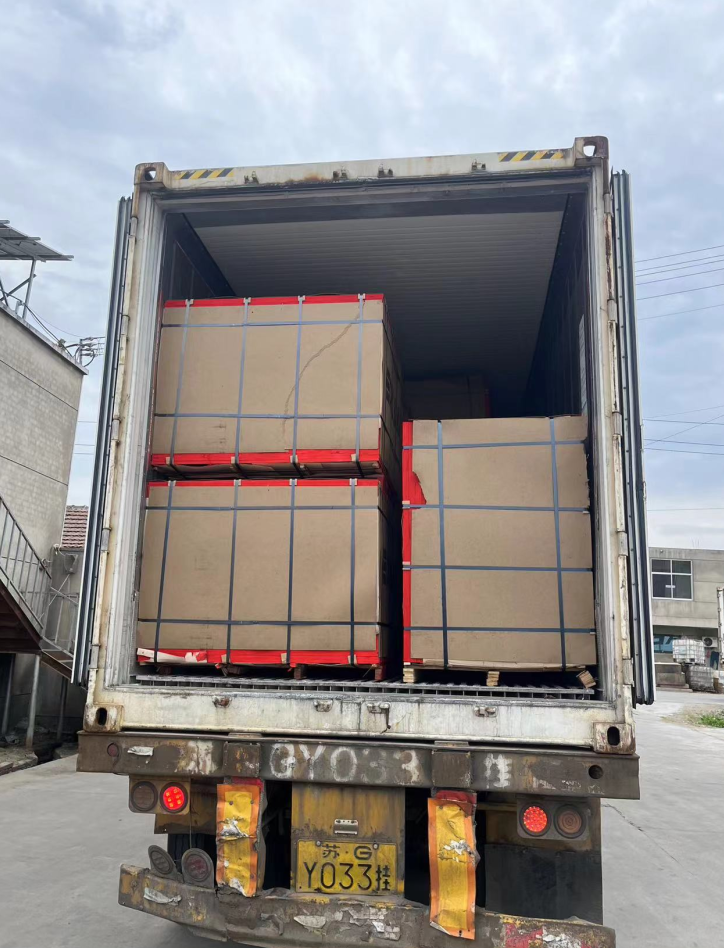
Hierro fundido contrachapado is a hybrid assembly that combines cast iron with plywood, and buyers searching for hierro fundido contrachapado want the same strength and workability in one panel. Hierro fundido contrachapado describes a heavy-duty panel or assembly used in industrial, furniture, or construction applications where both strength and workability matter. This guide explains hierro fundido contrachapado, what the term means, the materials and construction, and how to buy and install the panel.
A hybrid panel that combines cast iron and plywood gives strength where a solid metal panel would be too heavy, and the plywood keeps the assembly workable.
Hierro fundido contrachapado refers to a hybrid assembly or panel that combines cast iron with plywood for industrial or construction use.
Cast iron is a hard, brittle metal alloy with good compressive strength and wear resistance, and it suits heavy-duty parts that do not flex. The metal gives the assembly its strength.
Plywood is an engineered panel of thin wood veneers glued in crossed layers, and it gives the assembly lightness and workability. The panel cuts and machines easily.
The hybrid construction pairs cast iron with plywood to balance strength and weight, and the assembly suits industrial furniture, workbenches, and construction jigs. The combination gives the best of both materials.
Hierro fundido contrachapado suits industrial furniture, workbenches, machine bases, and construction jigs where strength and workability both matter. The assembly serves heavy duty.
| Component | Property | Best use |
|---|---|---|
| Hierro fundido | Strength, wear resistance | Load-bearing parts |
| Contrachapado | Lightness, workability | Panels, surfaces |
| Hybrid | Balance | Industrial furniture, jigs |
The market groups hybrid panels by the metal grade, the plywood grade, and the bond method, and the buyer matches each assembly to the job.
Cast iron comes in grades based on strength and hardness, and the grade sets the load capacity. The buyer picks the grade for the duty.
The plywood grade sets the face quality, the core density, and the bond class, and the buyer picks the grade for the exposure. The grade sets the finish.
The cast iron and plywood bond by adhesive, mechanical fasteners, or a combination, and the method sets the strength and the durability. The bond holds the assembly together.
The assembly comes in standard sizes, and the thickness follows the load and the duty. The size suits the application.
The hybrid assembly serves industrial and construction duty, and the buyer matches the grade and the bond to the job.
Industrial tables, workbenches, and storage units use hierro fundido contrachapado for a strong, stable frame with a workable surface. The assembly carries the load.
Machine bases and supports use cast iron for strength and plywood for a level surface. The hybrid balances weight and stability.
Construction jigs and templates use cast iron for precision and plywood for a large, flat surface. The assembly holds a dimension.
Heavy-duty shelving uses cast iron uprights and plywood shelves for a strong, flat storage system. The assembly carries the load.
The counter visit works best when the buyer knows the cast iron grade, the plywood grade, and the bond method before asking the price.
The buyer confirms the cast iron grade for strength and hardness, and the grade sets the load capacity. The grade proves the duty.
The buyer confirms the plywood grade for face quality, core density, and bond class, and the grade sets the finish. The grade proves the surface.
The buyer confirms the bond method for strength and durability, and the method sets the assembly’s life. The bond proves the joint.
The price follows the cast iron grade, the plywood grade, and the bond method, and delivery and machining add to the total. The buyer compares like for like across suppliers.
A hybrid assembly performs only when it is fixed and maintained correctly, and the installer follows the manufacturer’s pattern.
Fasteners set at the manufacturer’s spacing hold the assembly tight, and the installer avoids over-driving, which damages the plywood. The fixing holds without damage.
The plywood edges are sealed to keep moisture out and protect the core. The seal guards the bond.
Paint or varnish protects the plywood face and suits the grade, and the finish sets the look. The finish decides the final appearance.
The cast iron is oiled or painted to prevent rust, and the plywood is re-coated when worn. The maintenance extends the life.
A few slips cost more than a higher assembly price, and avoiding them keeps the project on budget.
A low-grade cast iron cracks under load, so the buyer confirms the grade before paying. The grade sets the strength.
A low-grade plywood delaminates in damp, so the buyer confirms the grade before paying. The grade sets the surface.
A weak bond fails under load, so the buyer confirms the bond method before paying. The bond sets the joint.
An assembly that sits badly can rust or stain before it reaches the job.
Cast iron and plywood store in a dry place to prevent rust and swelling. The dry store protects both materials.
Plywood panels store flat on even supports off the ground under cover, so the panel stays flat until it reaches the job site.
A buyer checks these points before loading an assembly.
The buyer confirms the cast iron grade for strength and hardness.
The buyer confirms the plywood grade for face quality, core density, and bond class.
The buyer confirms the bond method for strength and durability.
The buyer adds delivery and machining to the assembly price before deciding.
The buyer also checks the cast iron grade and the plywood grade before paying, because a low grade fails under load.
A hybrid assembly that combines cast iron strength with plywood workability earns its price in a finished industrial piece.
A buyer checks these points before loading an assembly.
The buyer confirms the cast iron grade for strength and hardness.
The buyer confirms the plywood grade for face quality, core density, and bond class.
The buyer confirms the bond method for strength and durability.
The buyer adds delivery and machining to the assembly price before deciding.
It is a hybrid assembly that combines cast iron with plywood for industrial furniture, workbenches, and construction jigs.
It is used in industrial furniture, machine bases, construction jigs, and heavy-duty shelving.
Yes, the cast iron gives compressive strength and wear resistance, and the plywood gives lightness and workability.
Check the cast iron grade, the plywood grade, and the bond method, and compare delivered cost across suppliers.
Oil or paint the cast iron to prevent rust, and re-coat the plywood when worn. The maintenance extends the life.
Hierro fundido contrachapado combines cast iron strength with plywood workability for industrial furniture, machine bases, and construction jigs. Read the grades, match the bond method to the duty, and maintain both materials. For panels with clean faces, dependable cores, and consistent thickness, a manufacturer such as HYY supplies Commercial Plywood and Melamine Plywood in standard grades.