Our Location
5th Floor, Huake Center, Lanshan District, Linyi City, Shandong Province, China

5th Floor, Huake Center, Lanshan District, Linyi City, Shandong Province, China

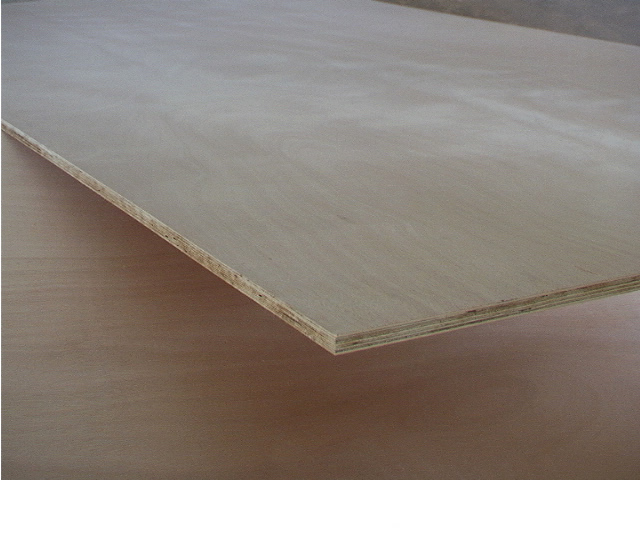
MB plywood industries is a phrase buyers type when they meet a maker’s mark, a shipping carton, or a supplier’s code carrying the initials MB and want to know who stood behind the panel. The initials can name a specific factory, a trading company, or a product series, and the only reliable answer comes from the paperwork with the batch. This guide explains how to identify a plywood manufacturer from its marks, what the certificate tells a buyer, and how to verify that a maker’s stamp belongs to a real, audited mill.
In the plywood trade, initials like MB appear on panel stamps, cartons, and order sheets, and they matter because they tie each sheet to a producer and its quality record. A buyer who can read the stamp and verify the maker controls the risk of counterfeit or substandard stock.
The stamp on a plywood sheet is the first evidence of origin, because it names the mill, the standard, and the batch in one small block. Buyers of construction and furniture panels read it before accepting a delivery, and they use it to trace a panel back if it fails in service.
A panel stamp typically carries the maker’s name or code, the grade, the glue class, the thickness, and the standard the panel meets. The batch number ties the stamp to the mill’s test record. Reading the stamp converts a stack of sheets into a documented, traceable order.
A panel with no stamp has no verified origin, grade, or test result, and a buyer treating it as certified takes the risk on faith. Unmarked stock often circles through resellers, and its certificate, if any, may not match the goods. The presence of a legible stamp is the first check in any receiving process.
| Stamp element | What it tells the buyer |
|---|---|
| Maker code or name | Which mill produced the sheet |
| Grade letters | Face quality of the delivered batch |
| Bond class | Moisture and service rating |
| Standard reference | Which code governs the panel |
| Batch number | Link to the mill test record |
Tracing the initials on a panel means matching them to a registered company, a trading license, or an industry association listed on the certificate. The buyer can also check the supplier’s documentation, the company registry, and survey or test reports that name the producer.
The mill certificate names the legal manufacturer, the factory address, the standard, and the test results, so it resolves the initials with certainty. A certificate that names a different company than the stamp does raises a red flag worth chasing. The certificate is the document that turns MB-style initials into a real entity.
An established mill appears in the local company registry and, often, in industry association membership lists and approved-supplier registers. A quick registry check tells a buyer whether the named maker operates under a real license. The association and register entries also point to audit and quality history the stamp alone cannot show.
Independent test and survey reports name the mill and the date of inspection, giving a third-party record of the producer’s output. These reports verify not just that the maker exists, but that it meets the standard the buyer requires. The reports sit alongside the certificate in the buyer’s file.
In practice, initials on plywood follow one of three patterns: a company brand, a factory code, or a product series such as marine-board or multi-board. Deciding which one the buyer faces comes from the context of the stamp and the paperwork. Single letters like M often start a maker or product line, and the second letter narrows it to a particular factory or series within that brand.
Many initials are simply the abbreviation of a legal company name or a trading brand that exports panels under its own mark. The company may own the mill or buy and re-label stock from several producers. The buyer verifies whether the brand manufactures or trades, because that changes where the batch was pressed.
Large mills stamp a factory code so their own line can trace output, and the code means nothing to the public without the mill’s key. The certificate names the factory, and the code ties the sheet to that line. Buyers match the code on the delivered stamp to the code on the certificate.
Some initials mark a product line, such as an interior multi-board grade, rather than a company. The series determines the panel’s duty, and the maker’s identity still comes from the stamp and certificate. The buyer reads the series for the spec and the maker for the accountability.
For volume orders, verifying the producer goes beyond reading a stamp: the buyer audits the mill’s license, its audit history, and its production records, often through the supplier or an inspection agent. The verification protects the whole order, not a single sheet.
A real mill holds an operating license and, for many export markets, a chain-of-custody or quality-system certificate audited by a third party. The buyer asks for copies and checks the validity period, because expired audits void the assurance. These documents stop the buyer from funding an unlicensed stamp.
For large lots, a pre-shipment inspection visits the mill or the warehouse, checks the batch against the certificate, and samples panels for grade, moisture, and flatness. The inspection report names the producer and the batch with independent evidence. The buyer keeps the report with the order file for traceability.
Cheap stock sometimes carries forged or borrowed stamps that claim a respected maker’s name. The stamp alone cannot prove authenticity, so the buyer verifies the certificate, the batch mark, and if needed the test report. The verification habit is what separates a traced panel from a gamble.
The maker’s mark matters most inside a longer relationship, where a verified producer and its supplier both have a reputation to protect. Buyers who verify once and keep the records build a supply chain that answers its own stamps.
Each year or each large order, the buyer refreshes the certificate, the audit copies, and the test reports that name the maker. A current file proves the producer still holds its licenses and still meets the standard. The file travels from procurement to quality control to the project handover.
The receiving team compares the stamp on each batch to the certificate and notes any mismatch in the delivery record. Undocumented mismatches become disputes later, while a clean record closes the file early. The acceptance note ties the delivered goods back to the named maker.
A mismatch between the delivered stamp and the certificate is a stop-the-line event, because the goods may come from a different producer or a different grade. The buyer flags it, holds the batch, and asks for the correct paperwork before accepting. Handling the mismatch at the dock beats fighting it after installation.
Buyers ask the same questions about identifying plywood makers, and these answers cover the ones that come up most often.
Read the stamp on the panel, then match it to the certificate, which names the legal manufacturer, the address, and the standard. Where the stamp and certificate disagree, verify before accepting.
It depends on the context: a company brand, a factory code, or a product series such as a multi-board line. The certificate and the stamp together resolve the initials for that batch.
Not necessarily, but unmarked stock carries no verified origin or grade, so the buyer cannot prove what it is. Legibility and matching paperwork are the first quality checks.
Yes. Cheap stock may carry borrowed or copied stamps, so the buyer verifies the stamp against the certificate, the batch record, and independent test reports for large orders.
Request the license and audit certificates, check the company registry, and consider a pre-shipment inspection that samples the batch against the paperwork. Keep all of it in the order file.
MB plywood industries-style initials only mean something when the buyer reads the stamp, matches it to the certificate, and verifies the producer behind it. That habit turns a stack of panels into a traced, trusted supply. For panels that carry their record on the batch, a manufacturer such as HYY supplies Commercial Plywood and Film Faced Plywood with the certificate, stamp, and batch record tied to every shipment.