Our Location
5th Floor, Huake Center, Lanshan District, Linyi City, Shandong Province, China

5th Floor, Huake Center, Lanshan District, Linyi City, Shandong Province, China

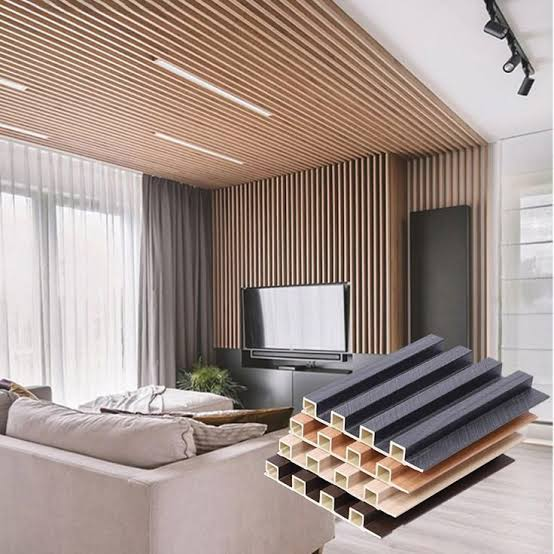
Plaster boards 240 x 120 are gypsum panels measuring 2400 by 1200 millimetres, and they serve interior walls and ceilings in residential and commercial buildings. Plaster boards 240 x 120 give a smooth, paintable surface that installs quickly on a frame, and the board’s fire resistance depends on its grade. This guide explains plaster boards 240 x 120, the grades and sizes they come in, how to install them, and how to buy the right board for a room.
Plaster boards 240 x 120 are one of the most common interior lining materials, and the buyer who matches the grade to the room gets a smooth, durable surface.
Plaster boards 240 x 120 refers to panels measuring 2400 by 1200 millimetres, made from gypsum plaster pressed between paper faces.
2400 by 1200 millimetres is a standard board size that matches the framing grid of most walls and ceilings, and the size covers a large area in one piece. The dimension sets the coverage.
The core is gypsum plaster, which contains water bound in crystals, and the water releases under heat to slow fire spread. The core resists fire naturally.
The paper faces give a smooth surface for paint or wallpaper, and the face takes most finishes well. The face decides the look.
The fire rating depends on the grade, and some boards carry an A1 non-combustible rating while others carry a lower rating. The rating is tested, not claimed.
| Feature | What it means | Typical value |
|---|---|---|
| Size | Board dimension | 2400 x 1200 mm |
| Core | Gypsum plaster | Crystal water |
| Face | Paper | Paintable surface |
| Thickness | Board depth | 9 to 15 mm |
The market groups plaster boards 240 x 120 by fire class, moisture resistance, and face type, and the buyer matches each board to the room.
Standard plaster board suits dry interior walls and ceilings, and it costs the least among gypsum panels. The board gives a flat, paintable surface.
Moisture-resistant plaster board suits bathrooms, kitchens, and damp areas, and the treated core and face resist water and mould. The board stays sound in damp air.
Fire-resistant plaster board suits escape routes, corridors, and commercial spaces, and the reinforced core resists fire longer. The board slows fire spread.
Acoustic plaster board reduces sound transmission between rooms, and it suits offices, hotels, and apartments. The dense core absorbs sound.
The boards serve interior lining duty, and the grade picks the room.
Homes use plaster boards 240 x 120 for walls and ceilings, and the boards give a smooth surface for paint or wallpaper. The board suits a dry room.
Offices, shops, and hotels use plaster boards 240 x 120 for walls and ceilings, and the boards give a flat, paintable surface that meets fire codes. The finish looks clean.
Moisture-resistant plaster boards 240 x 120 suit wet rooms, and the treated core and face resist water and mould. The board stays sound in damp air.
Fire-resistant plaster boards 240 x 120 line escape routes, corridors, and stairwells where fire safety is critical, and the non-combustible rating slows fire spread.
The counter visit works best when the buyer knows the grade, the thickness, and the room before asking the price.
The buyer picks standard, moisture-resistant, fire-resistant, or acoustic grade to match the room. The grade sets the performance.
The buyer matches the thickness to the framing and the finish, with 9 to 15 millimetres covering most interior jobs. The depth sets the stiffness.
The buyer confirms the fire rating on the product data sheet, because a lower rating does not meet the same fire standard. The rating is tested, not claimed.
The price follows the grade and the thickness, and delivery and cutting add to the total, so a distant yard with a low tag can end up costing more once freight is added.
A board performs only when it is fixed and finished correctly, and the installer follows the manufacturer’s pattern.
The boards fix to timber or steel studs at regular spacing, and the framing must be straight and plumb for a flat finish. The frame sets the surface.
Screws set at the manufacturer’s spacing hold the board tight, and the installer avoids over-driving, which breaks the paper face. The fixing holds without damage.
Tape and joint compound fill the seams, and the installer applies two or three coats for a smooth finish. The jointing hides the joints.
Paint, wallpaper, or tile finishes the board, and the surface takes most finishes well. The finish decides the look.
A few slips cost more than a higher sheet price, and avoiding them keeps the project on budget.
A standard board swells in damp, so the buyer picks a moisture-resistant grade for bathrooms and kitchens. The grade sets the performance.
A lower fire rating does not meet the same standard, so the buyer confirms the rating on the data sheet. The rating is tested, not claimed.
A board with a damaged edge or face breaks during fixing, so the buyer inspects each sheet before paying. The check saves a return trip.
A board that sits badly can warp or stain before it reaches the job.
Boards store flat on even supports off the ground under cover, so the panel stays flat until it reaches the job site.
Even a moisture-resistant board loses strength if it sits soaked for weeks, so the buyer keeps every stack under cover.
A buyer checks these points before loading a board.
The buyer picks standard, moisture-resistant, fire-resistant, or acoustic grade to match the room.
The buyer matches the thickness to the framing and the finish.
The buyer confirms the fire rating on the product data sheet.
The buyer adds delivery, cutting, and edge banding to the board price before deciding.
They are gypsum panels measuring 2400 by 1200 millimetres, used for interior walls and ceilings.
They are used in residential and commercial interiors for walls and ceilings, and the grade picks the room.
Yes, with a moisture-resistant grade, the board resists water and mould in wet rooms.
Some grades carry a fire-resistant rating, and the buyer confirms the rating on the data sheet.
Check the grade, the thickness, and the fire rating, and compare delivered cost across suppliers.
Plaster boards 240 x 120 give a building a smooth, paintable interior surface, and the buyer matches the grade to the room and the thickness to the framing. Check the fire rating on the data sheet, and finish the surface to suit the space. For panels with clean faces, dependable cores, and consistent thickness, a manufacturer such as HYY supplies Commercial Plywood and Melamine Plywood in standard grades.