Our Location
5th Floor, Huake Center, Lanshan District, Linyi City, Shandong Province, China

5th Floor, Huake Center, Lanshan District, Linyi City, Shandong Province, China

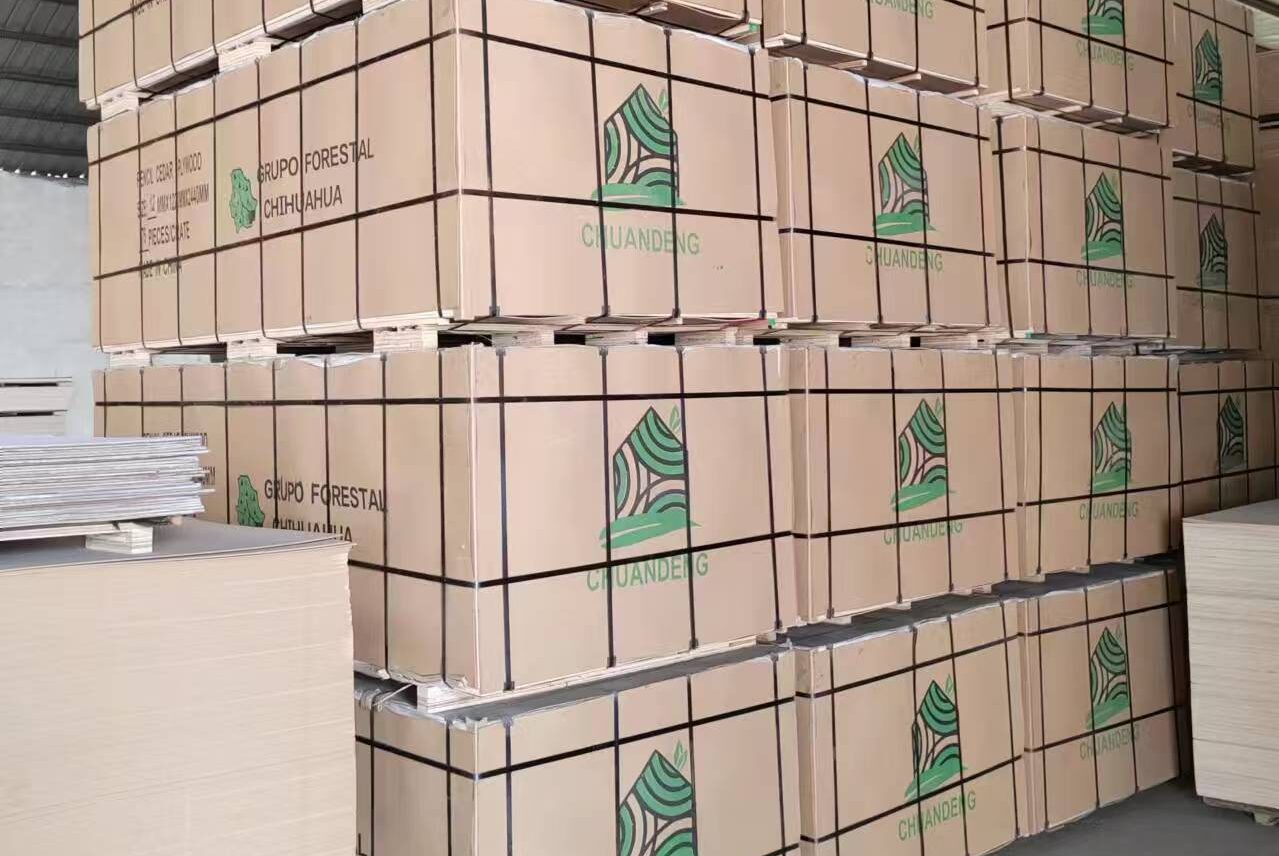
Plinth teak wood refers to teak wood used for plinths and baseboards, and buyers search for plinth teak wood when they need a durable, weather-resistant base for a building or a piece of furniture. Plinth teak wood gives a strong, stable foundation that resists rot, insects, and moisture, and the wood ages well in outdoor and indoor service. This guide explains plinth teak wood, the grades and properties it offers, how it compares to other hardwoods, and how to buy and work it.
Teak is one of the most durable hardwoods, and a plinth teak wood base lasts for decades in outdoor and indoor service. The buyer who knows the grades and properties gets a panel that performs well.
Plinth teak wood refers to teak lumber and panels used for plinths and baseboards, and the wood gives a strong, stable foundation.
Teak shows a golden brown colour with a straight, even grain, and the wood takes oil or varnish well. The colour deepens with age.
Teak is strong and stable when seasoned correctly, and it holds its shape in outdoor and indoor conditions. The wood machines cleanly.
Teak machines, sands, and finishes easily, and it takes screws and glue well. The wood suits plinth and baseboard work.
Teak comes in grades based on colour, grain, and defect content, and the higher grade shows fewer knots and a more even colour. The grade sets the price.
| Property | Teak | Meranti | Mahogany |
|---|---|---|---|
| Colour | Golden brown | Reddish-brown | Reddish-brown |
| Grain | Straight, even | Fine, even | Straight |
| Cost | High | Low to mid | High |
| Durability | High | Moderate | High |
Teak comes in grades based on colour, grain, and defect content, and the buyer matches the grade to the job.
Select grade shows the most even colour and the fewest defects, and it suits visible plinths and baseboards. The grade costs the most.
Standard grade allows some colour variation and minor defects, and it suits painted or hidden parts. The grade costs less.
Economy grade allows more defects and colour variation, and it suits rough work and hidden parts. The grade costs the least.
Teak comes in golden and darker varieties, and the colour grade affects the look and the price. The colour sets the mood.
Teak suits plinth and baseboard work, and the grade and the colour set the look.
Building plinths use teak for a strong, stable base that resists rot and insects. The wood ages well outdoors.
Baseboards and skirting use teak for a durable, attractive finish that resists wear. The wood takes oil or varnish.
Furniture bases use teak for a strong, stable foundation that holds heavy loads. The wood stays flat.
Outdoor structures use teak for plinths and bases that face weather and ground contact. The wood resists rot.
The counter visit works best when the buyer knows the grade, the colour, and the moisture content before asking the price.
The buyer picks select grade for visible parts and standard or economy for hidden parts. The grade sets the price.
The buyer confirms the wood is seasoned to the right moisture content, because wet wood warps and dry wood cracks. The moisture content sets the stability.
The buyer picks the colour variety that suits the design, and mixes from the same batch for consistency. The colour sets the mood.
The price follows the grade and the colour, and delivery and machining add to the total. The buyer compares like for like across suppliers.
Teak machines, sands, and finishes well, and a few habits protect the result.
A sharp blade leaves a clean edge, and teak machines without tear-out when the tools are sharp. The sharp tool sets the finish.
Light sanding smooths the surface and prepares it for finish, and the wood sands evenly. The sanding prepares the surface.
Oil, varnish, or paint protects the wood and suits the grade, and a clear finish shows the grain. The finish sets the look.
Teak glues well with wood glue, and the buyer clamps the joint until the glue sets. The glue holds the joint.
A few slips cost more than a higher board price, and avoiding them keeps the project on budget.
Wet wood warps and dry wood cracks, so the buyer confirms the moisture content before paying. The moisture content sets the stability.
Mixing golden and darker teak in one piece looks patchy, so the buyer buys from the same batch. The colour sets the look.
A low grade shows defects under a clear finish, so the buyer picks select grade for visible parts. The grade sets the finish.
Wood that sits badly can warp or stain before it reaches the job.
Boards store flat on even supports off the ground under cover, so the wood stays flat until it reaches the job site.
Even seasoned wood loses stability if it sits soaked for weeks, so the buyer keeps every stack under cover.
A buyer checks these points before loading a board.
The buyer picks select, standard, or economy grade to match the job.
The buyer confirms the wood is seasoned to the right moisture content.
The buyer picks the colour variety that suits the design.
The buyer adds delivery and machining to the board price before deciding.
The buyer also checks the moisture content and the colour before paying, because wet wood warps and dry wood cracks.
A plinth teak wood board that gives a strong, stable foundation earns its price in a finished project.
For a smooth purchase, the buyer brings the cut list, the thickness, and the grade, so the shop can match the board and pre-cut the parts.
A plinth teak wood board that gives a strong, stable foundation earns its price in a finished project, and the right grade keeps the value.
It is teak lumber and panels used for plinths and baseboards, giving a strong, stable foundation.
It is used for building plinths, baseboards, skirting, furniture bases, and outdoor structures.
Yes, teak resists rot, insects, and moisture, and it lasts for decades in outdoor and indoor service.
The wood should be seasoned to the local equilibrium moisture content, and the buyer confirms it before paying.
Check the grade, the moisture content, and the colour, and compare delivered cost across suppliers.
Plinth teak wood gives a strong, stable foundation that resists rot, insects, and moisture, and the buyer matches the grade, the moisture content, and the colour to the job. Check the moisture content before paying, and finish the wood to suit the grade. For panels with clean faces, dependable cores, and consistent thickness, a manufacturer such as HYY supplies Commercial Plywood and Melamine Plywood in standard grades.