Our Location
5th Floor, Huake Center, Lanshan District, Linyi City, Shandong Province, China

5th Floor, Huake Center, Lanshan District, Linyi City, Shandong Province, China

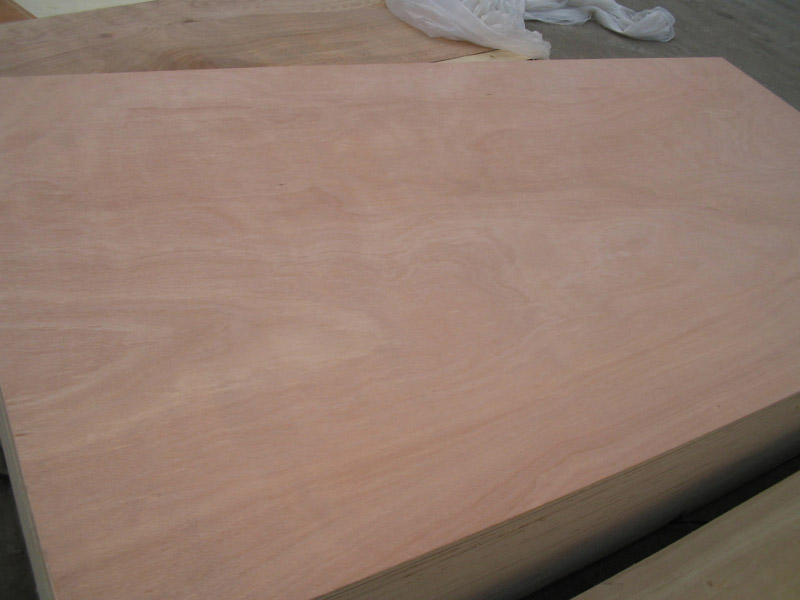
Plywood edging is the strip, band, or lipping that covers the cut edge of a plywood panel, hiding the layered veneers and protecting the edge from moisture and impact. Edging turns a raw sheet edge into a finished one, so furniture, cabinetry, and doors read as solid timber rather than laminated board. This guide explains the types of plywood edging, which one suits which project, and how to apply edging so it stays put.
A cut plywood edge shows stacked veneer lines and a core that drinks moisture, so edging covers it with a continuous strip that seals the plies and finishes the profile. The band spreads the clamping force of a door or the impact of a tabletop across a solid edge instead of a fragile line of end grain.
Raw plywood edges are the weak point of any sheet: they soak moisture, fuzz under handling, and show the layered core. Edging closes all three problems with a protective strip that seals and finishes at the same time.
The cut edge exposes the core plies and end grain, which wick moisture into the panel and eventually swell the edge. A sealed edge stops the water at the band and keeps the core dry. The moisture barrier is the practical reason every cabinet edge gets covered.
A tabletop or counter edge takes chips and dents that tear the thin veneer lines, and a solid strip or band absorbs the impact instead. The edging layers a durable profile over the fragile cut line. The impact protection keeps the panel edge presentable under daily use.
A banded edge makes plywood cabinetry and furniture pass as solid timber, with the visible grain running along the edge rather than stacked in lines. The finished edge changes how the whole piece reads. The look is why edging gets specified on every visible panel.
| Edging type | Material | Best use |
|---|---|---|
| Iron-on veneer tape | Wood veneer | Furniture, doors |
| PVC banding | Plastic | Kitchen cabinetry |
| Melamine banding | Resin | Melamine panels |
| Solid wood lipping | Timber | Tabletops, worktops |
The edging market splits into thin adhesive-backed tapes, pre-glued plastic bands, and solid timber lippings, each with its own application and durability. The choice follows the face material, the exposure, and how much the edge gets handled.
Real wood veneer tape comes pre-glued and irons on in minutes with a household iron, trimming flush with the face afterward. The tape matches the panel’s face veneer or contrasts for a two-tone edge. Wood veneer tape suits furniture and doors where the edge should look like the face grain.
PVC banding is a tough plastic strip with a pre-applied glue line that hot-melts to the panel edge, giving a clean manufactured profile that never fuzzes. The band comes in solid colors, wood-look prints, and tones that match melamine faces. Kitchen cabinets and office furniture use PVC banding for its durability and low cost.
Melamine edging matches melamine-faced panels in color and texture, while aluminum and metal profiles give a modern trim edge to worktops and screens. Resin-based bands seal against moisture in kitchens and baths. The metal profile adds a hard edge where the wood or plastic would dent.
A solid hardwood lipping glued to the edge gives the strongest finish, protecting tabletops, workbenches, and doors from heavy impact. The lipping is cut, glued, and trimmed to the panel profile. Solid lipping carries the price and the durability that tape cannot match on a work surface.
The edging spec follows the face material, the edge’s exposure, and the visual brief, and matching the three keeps the edge serviceable and on-budget. A cabinet with melamine faces wants a melamine band, while a natural furniture piece wants wood veneer.
Melamine faces take melamine or PVC banding in matching tones, while natural veneer faces take wood veneer tape or a solid lipping. The band should blend with the face or make a deliberate contrast. The material match stops a plastic band glaring against real wood.
A kitchen counter edge that takes water and knocks wants PVC, melamine, or solid lipping, while a shelf edge in a dry bedroom can take thin veneer tape. The bill of materials follows the moisture and impact the edge sees. The exposure the edge faces every day decides how heavy the band needs to be.
Veneer tape and thin PVC bend around curves, while a straight lipping meets a curved panel with a steamed or kerfed bend. The router profile on a worktop edge needs a thicker band to cover the cut. The shape of the edge decides whether the edging flexes or follows the profile.
Veneer tape and PVC cost per roll and suit whole cabinets, while solid lipping prices by the meter and suits furniture pieces. Volume furniture runs use the machine-applied bands. The quantity and the budget pick the edging family.
Applying edging cleanly takes the right heat, the right pressure, and a sharp trim, and the technique differs between iron-on tape and edge-banding. The band must bond across the full edge with no loose ends at the corners.
The panel edge cleans and the tape heats with the iron on a medium setting, then presses down with a roller while the glue is warm. The ends trim with a sharp knife, the edge trims with a flush-trim bit, and the face sands lightly to remove the glue residue. The joint checks after the cool-down for any lifted edge.
PVC banding uses a hot-melt glue line or a separate adhesive, applied with a heat gun or an edge bander and pressed with a roller. The overhang trims with a flush-trim router bit, and the corners trim with a knife for a clean wrap. The hot band must seat fully before it cools, because the glue sets in seconds.
A solid lipping is glued with polyurethane or PVA reinforced with a few pins, then trimmed flush with the panel after the glue cures. The lipping overhang routs off and the face sands level with the panel. The lipping joint stands up to years of impact and moisture better than any tape.
Not every panel edge needs banding: some edges get painted, oiled, or left with a revealed clean ply line, and each treatment serves a different look. The choice is a design decision as much as a protection one.
A sanded and painted edge reads as a clean solid edge where a thin band would complicate the look, suiting paint-grade panel furniture. The sealer locks the fibers and evens the tone across the veneer lines. Painted edges serve the same protection job as a band at a lower material cost.
Modern plywood furniture shows the layered edge on purpose, with a sharp cut and a clear sealer making the veneer lines a feature rather than a flaw. The revealed edge suits contemporary shelving and statement work. The look turns the panel’s construction into its finish.
A routed chamfer or roundover removes the sharp cut line and softens the edge, showing a thin plated profile that reads as deliberate. The profile breaks the hard right angle and protects the vulnerable corner. Routed profiles work with banded and painted edges alike.
Edging fails when the band lifts, the glue starves, or the trim cuts into the face, and most failures are preventable with good prep and technique. Knowing the fix saves a re-do on a full cabinet run.
A lifted band reheats with an iron or heat gun and presses back down with a roller, re-activating the glue so the band re-seats. A stubborn lift gets a thin line of adhesive before the re-press. The re-bond restores the edge without stripping the whole band.
Glue starvation happens when the surface is dirty or the heat is too low, so the panel edge cleans before the band goes on and the iron reaches a full heat. A starved joint shows as dry patches and needs a re-heat. Clean, oily-free edges and correct heat stop the joint failing in the first place.
A flush-trim bit that rides the face digs when the panel rocks, so the trim runs slowly with the panel fixed flat on the table. The trim should shave the overhang without touching the face veneer. A steady trim pass keeps the face clean and the band flush.
Buyers ask the same questions about plywood edging, and these answers cover the ones that come up most often.
Iron-on veneer tape for furniture and doors, PVC or melamine banding for cabinetry, and solid wood lipping for tabletops and workbenches. The exposure and the face material pick the option.
Yes when the edge is painted, oiled, or revealed as a design feature. But raw edges wick moisture and fuzz, so sealed edges last longer on exposed panels.
Most tape and banding arrives pre-glued with a heat-activated line, while solid lipping needs PVA or polyurethane adhesive. The pre-glued bands only need heat and pressure.
Clean the edge before applying, reach a full bonding heat, and press the whole band with a roller. Re-heat any lifted end with the iron and push it back down.
PVC is tougher and costs less but reads manufactured, while wood veneer looks like the face grain and suits furniture. Use PVC for cabinetry and veneer tape for natural wood pieces.
Plywood edging seals the raw edge, protects the core from moisture and impact, and finishes the panel so it reads as solid timber. Match the band to the face material and the exposure, apply it with the right heat and pressure, and trim it flush. For panels with clean edges that band well, a manufacturer such as HYY supplies Commercial Plywood and Melamine Plywood with tight, even edges ready for veneer tape, PVC banding, or lipping.