Our Location
5th Floor, Huake Center, Lanshan District, Linyi City, Shandong Province, China

5th Floor, Huake Center, Lanshan District, Linyi City, Shandong Province, China

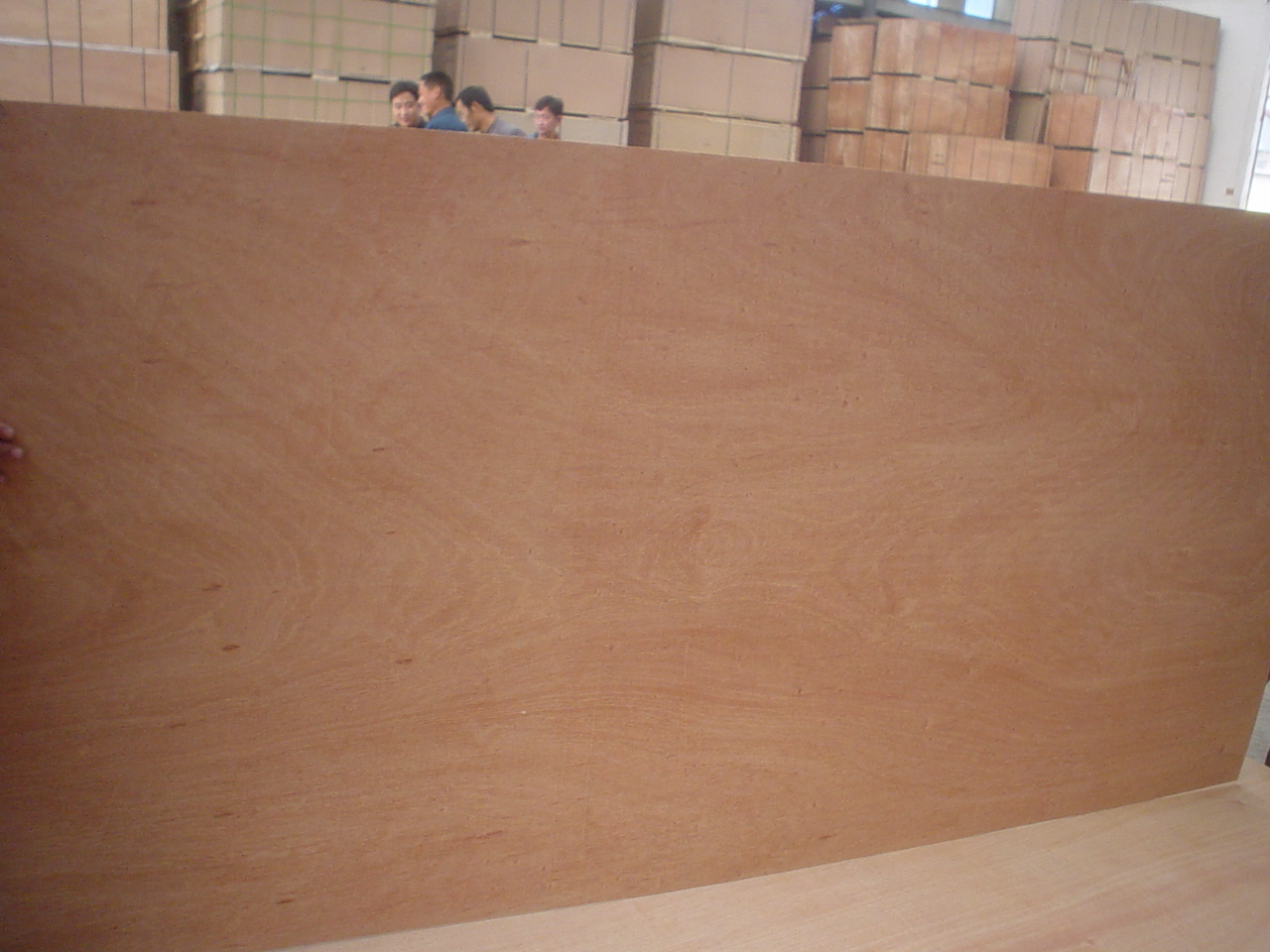
Plywood measurements describe the length, width, and thickness of a panel, and reading them correctly keeps a project on track from the first cut. A standard sheet measures 1220 by 2440 millimetres, or 4 by 8 feet, and the thickness runs from a thin 3 mm to a heavy 25 mm or more. This guide explains plywood measurements, the common sheet sizes, how thickness works, and how to convert between metric and imperial figures when ordering.
Every cut, joint, and fitting depends on the panel matching the plan, so the measurements deserve a careful look before the order goes in. A few minutes with a tape and a size chart save a wasted sheet.
Sheet size is the first measurement a buyer meets, and the standard panel suits most framing grids. Knowing the common sizes and the cut options helps the order fit the job.
The standard sheet measures 1220 by 2440 mm, or 4 by 8 feet, and it fits the framing grid of most walls and floors. The imperial name comes from the rounded feet. The metric figure gives the exact size.
Metric sheets come in 1200 by 2400 mm or 1250 by 2500 mm, and oversize panels reach 1500 by 3000 mm for a taller wall or a longer span. The larger sheet cuts down on joints. The metric size suits European work.
A half sheet measures 1220 by 1220 mm, a quarter sheet measures 610 by 1220 mm, and stores cut to any size for a buyer who lacks a large vehicle. The smaller sheet moves easily. The cut service matches the exact need.
Thickness sets the strength, the weight, and the cost of a panel, and the labeled depth often differs a little from the measured depth. These points keep the thickness choice honest.
A nominal 18 mm sheet may measure 17.5 mm after sanding and drying, and the difference matters when a fitting expects the exact depth. The label gives the nominal figure. The tape gives the actual figure.
Thin 3 to 6 mm sheets suit drawer bottoms and curved work, 9 to 12 mm sheets suit cabinet backs and shelves, and 15 to 25 mm sheets suit floors, decks, and work tops. The use sets the depth. The span table guides the choice.
Sanding removes a little material from each face, so a sanded sheet can run thinner than a rough one, and the grade states the allowed tolerance. The buyer checks the tag. The tolerance keeps the fit within its limit.
| Thickness | Common use | Note |
|---|---|---|
| 3-6 mm | Drawer bottom, curve | Flexible, light |
| 9-12 mm | Cabinet back, shelf | General interior |
| 15-18 mm | Furniture, sheathing | Structural range |
| 21-25 mm | Floor, work top | Heavy duty |
A tape on the rack confirms the size, the square, and the thickness before the sheet leaves the store, and a quick check spots a damaged panel early. The buyer who measures saves a return trip.
The buyer lays the tape across the length and the width and checks the thickness with a gauge or a caliper at a few points. The reading confirms the label. The check catches a short or swollen sheet.
Standards allow a small tolerance on length, width, and squareness, so a good sheet sits within a millimetre or two of the stated figure. The corner should meet a square. The tolerance keeps the panel true enough for a build.
A buyer converts metric to imperial by dividing millimetres by 25.4, so 1220 mm reads as 48 inches and 18 mm reads as about 0.71 inch. The conversion helps an order written in either system. The exact figure prevents a mix-up.
Measurements feed the weight and the load estimate, and a buyer who knows the volume avoids an overloaded vehicle or an undersized shelf. The figures connect the panel to the job.
The weight follows the volume and the density, so a standard 18 mm sheet of about 0.03 cubic metres weighs near 20 to 30 kg depending on the species. The heavier sheet needs a second pair of hands. The estimate plans the transport.
The thickness and the span set the load a panel carries, so a shelf spanning 900 mm needs more depth than one spanning 400 mm. The span table gives the safe figure. The measurement picks the right depth.
The buyer subtracts the saw kerf from the cut list and measures the finished part, so the pieces fit the frame without a gap. The kerf is the width the blade removes. The measured part matches the plan.
A few panels break the standard rules, and a buyer who meets them needs the right figures before the order. The special sheet follows its own measurements.
Some imported panels come only in 1200 by 2400 mm or 1250 by 2500 mm sizes, which do not match a 4×8 grid exactly, so the buyer measures the opening first. The metric sheet fits a metric frame. The exact size prevents a gap.
Oversize sheets reach 1500 by 3000 mm or longer for a tall wall or a long span, cutting the number of joints in a run. The large sheet needs a bigger vehicle. The size suits a tall build.
Stores stock project panels in 2×4, 4×4, and 1×4 feet, cut for craft and small repairs, with the edge already square. The small panel suits a quick job. The cut saves a saw.
A sanded panel loses a little depth to the sanding, so a nominal 12 mm sheet can measure 11.5 mm, and the grade tag states the tolerance. The buyer checks the actual figure. The tolerance keeps the fit close.
A buyer who works between metric and imperial figures converts them often, and a few handy numbers speed the order. The conversions keep the cut list straight.
Divide millimetres by 25.4 to reach inches, so 1220 mm reads as 48 inches, 18 mm as about 0.71 inch, and 12 mm as about 0.47 inch. The figure matches the imperial tag. The conversion avoids a mix-up.
Multiply feet by 0.3048 to reach metres, so an 8 foot sheet measures about 2.44 metres and a 4 foot width about 1.22 metres. The figure matches the metric tag. The conversion suits an imported order.
A 3/4 inch sheet reads as 18 mm, a 1/2 inch sheet as 12 mm, and a 1/4 inch sheet as 6 mm, and the store tag often lists both. The fraction names the imperial depth. The millimetre figure gives the metric depth.
The area of a sheet follows the length times the width, and the volume follows the area times the thickness, which helps a weight or a coverage estimate. The figures plan the order. The volume sets the weight.
Most projects need a small set of common cuts, and knowing those measurements speeds the layout. The figures cover the routine parts.
A shelf spans the opening minus a small clearance, often 10 to 15 mm, and a cabinet side runs the full height of the carcase. The clearance lets the shelf slide. The side sets the frame.
A rip cut runs with the grain and a cross cut runs across it, and both follow a measurement from the square corner. The rip narrows a panel. The cross cut trims the length.
The kerf is the width the saw blade removes, about 3 mm on a typical blade, so the buyer adds it to each cut to keep the finished part to size. The kerf shifts the line. The finished part matches the plan.
Buyers ask the same questions about plywood measurements, and these answers cover the ones that come up most often.
A standard sheet measures 1220 by 2440 mm, or 4 by 8 feet, and the thickness ranges from about 3 mm to 25 mm depending on the grade and the use.
A 3/4 inch sheet nominally measures 18 mm but often runs about 17.5 mm after sanding, and the exact figure sits on the grade tag.
Divide millimetres by 25.4 to reach inches, so 1220 mm equals 48 inches, and multiply inches by 25.4 to reach millimetres.
No. The 4×8 sheet is the most common, but stores also stock 1200 by 2400 mm, 4×10, 5×5, and oversize panels up to 1500 by 3000 mm.
Flooring plywood usually measures 15 to 25 mm, with the span and the joist spacing setting the safe depth. A subfloor often takes 18 mm or more.
Plywood measurements start with the sheet size and the thickness, and the right figures keep every cut within the plan. Read the tag, measure the sheet, and convert the units before the order. For panels cut to consistent measurements and stable cores, a manufacturer such as HYY supplies Commercial Plywood and Melamine Plywood in the standard sizes.