Our Location
5th Floor, Huake Center, Lanshan District, Linyi City, Shandong Province, China

5th Floor, Huake Center, Lanshan District, Linyi City, Shandong Province, China

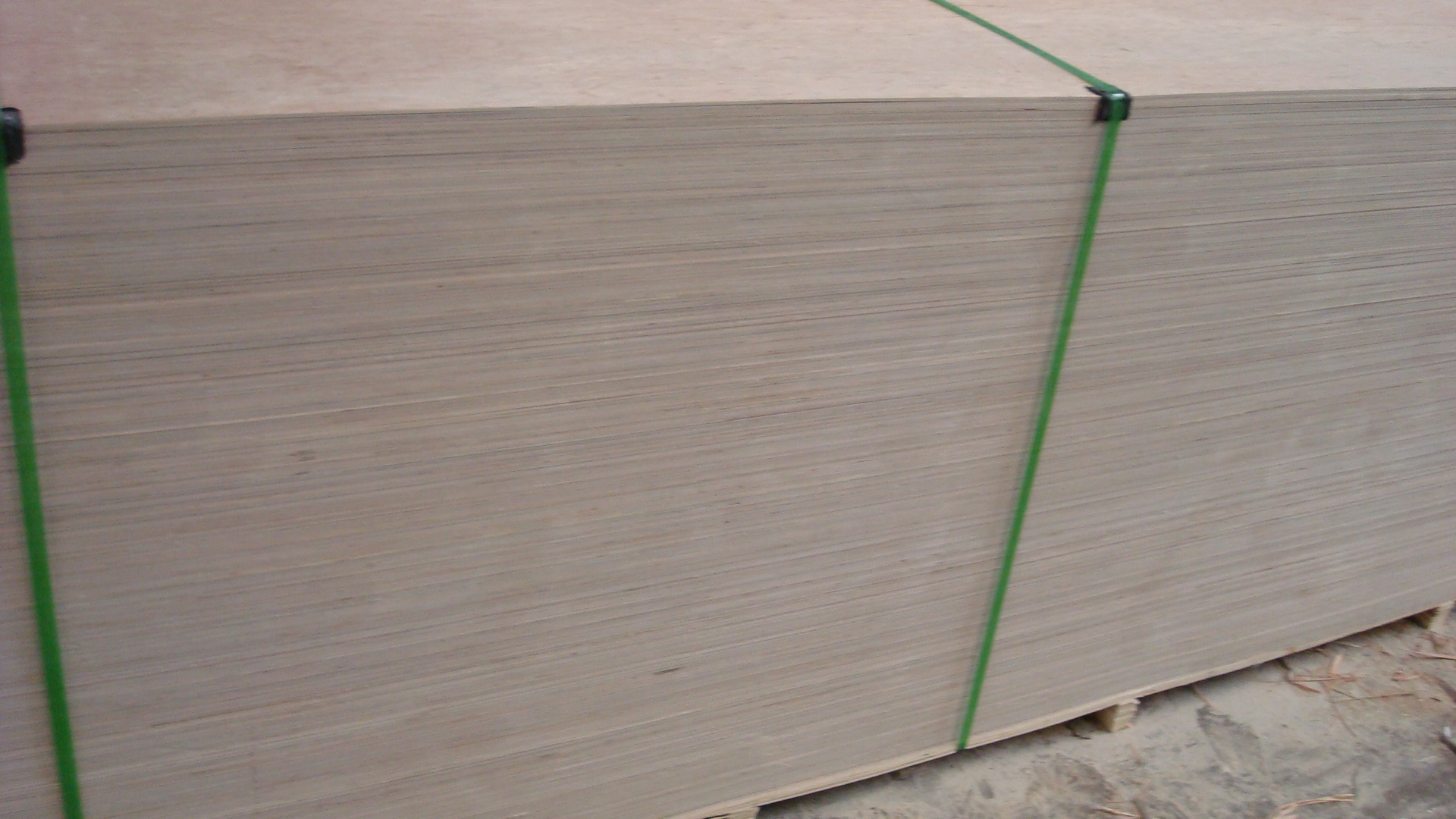
If you are weighing plywood v osb, you are comparing two sheet products that cover a frame cheaply, and the way each one is built explains every difference between them. Plywood glues thin wood veneers in crossed layers, while OSB presses wood strands into a single dense panel. This guide compares plywood and OSB across strength, span, moisture, edges, cost, and appearance, so you can choose the right sheet for a build.
They look similar on a rack, but the internal structure sets the performance, and the cheapest sheet is not always the right one for a load-bearing job.
Both panels come from wood, but their construction differs, and the difference explains every practical contrast.
Plywood glues thin, solid wood veneers together in alternating directions, so the grain crosses inside the sheet and the panel resists splitting, bending, and screw pull-out. The crossed veneers give the strength. The face shows real wood grain.
OSB bonds large wood strands with resin under heat and pressure into a single dense layer, so the strands align with the panel’s main axis and it works well along that axis but splits more easily across it. The pressed strands give the density. The direction matters.
Both serve as structural sheathing, floors, roofs, and decking, and both cost less than solid timber. Each carries a load in service. Each saves material.
| Feature | Plywood | OSB |
|---|---|---|
| Structure | Crossed veneers | Strands, one axis |
| Face | Visible grain | Coarse strands |
| Stiffness | Even both ways | Strong along axis |
| Cost | Mid to high | Usually lower |
Structural performance is the main reason to choose one over the other, and it depends on the span and the load direction.
Plywood holds its stiffness evenly across and along the sheet, while OSB is strongest along its axis and weaker across it, so a wide span crossing the strands can deflect more unless the sheet gets a proper edge support or a second layer. The even panel suits a wide span. The one-axis sheet needs support.
Plywood grips screws well and stands up to knocks, while an OSB edge crushes and crumbles if it takes a hit, though both hold fasteners fine in the field of the panel. The veneers resist pull-out. The strands crush at the edge.
Under sustained heavy load, OSB can creep more than plywood over the years, so a designer checks the creep value for a long-span or heavily loaded floor. The panel still carries. The long term shows the difference.
Water and exposure change the choice quickly, and the edge finish decides how a part handles weather and looks.
Exterior plywood uses a waterproof glue that holds up in damp conditions, while standard OSB swells and loses strength when it soaks, so it needs a dry interior and careful storage during the build. Only rated sheathing belongs in a damp zone. The glue class decides the exposure.
An OSB edge shows loose strands that shed and need sealing, tape, or a trim, while a plywood edge shows its plies and can be sealed, filled, or banded. Both edges want covering. The OSB edge sheds more.
In a dry, protected structure both sheets last for the life of the building, and the choice there comes down to cost and finish rather than longevity. The sheathing stays hidden. The panel barely matters once covered.
Price and stock push many buyers toward OSB, so the value has to be judged against the job rather than the sheet alone.
OSB usually costs less than plywood of the same thickness and rating, which makes it the default for floors and roofs on a budget, while plywood commands a premium for its cross-laminated strength. The budget sheet wins. The stronger sheet costs more.
Both stock widely at builders and timber merchants in standard sizes, and OSB often covers the common structural sizes while a specialty plywood grade may need ordering. The everyday sizes suit either. The niche grade needs a lead time.
OSB is often heavier and cuts with a coarse saw that dulls faster, while plywood cuts more smoothly and lifts cleanly from a sheet. The saw choice matters. The dust from strands needs care.
Once a panel stays visible, the choice narrows to look and finish rather than structure.
Plywood shows a smooth, sanded wood face that takes stain, paint, and clear coats, while OSB shows a coarse strand texture that suits an industrial look or a covering board but resists a fine finish. The grain takes a stain. The strands need hiding.
Furniture, doors, and shop fixtures want plywood for the smooth face, while an OSB face suits a rustic panel, a built-in, or a surface that will be covered. The look decides the sheet. The covering decides the rest.
With the properties in view, the choice reduces to a few clear cases. These rules cover most projects.
OSB suits roof sheathing, subfloor, wall sheathing, and decking where a rating matches the span, since it costs less and covers area fast. The budget build takes OSB. The rated sheet carries the load.
Plywood suits wide or unsupported spans, visible surfaces, marine or exterior exposures, curved parts, and jobs needing strong screw holding at an edge. The stronger sheet covers these. The grain suits the look.
Choose OSB when the sheet stays hidden, stays dry, and only needs to resist bending along one axis, and choose plywood when the span is wide, the face shows, or water and impacts matter. The rule keeps the cost down without cutting the safety margin.
How a sheet goes in matters as much as which sheet a builder picks, and a few habits keep either panel performing as rated. The installation rules apply to both products.
A builder lays a sheet with its strong axis running across the supports and supports every edge, since an unsupported OSB edge and an unsupported plywood edge both deflect under a load. The support keeps the sheet flat. The edge needs a joist or blocking.
Sheathing needs a small gap at the edges, often about 3 mm, so the sheet can move with moisture without buckling, and leaving no gap causes cupping in a wet season. The gap allows movement. The panel stays flat.
The fastening pattern follows the manufacturer and the code, with clips or screws set at regular spacing that resists uplift and keeps the sheet down. The spacing stops the lift. The pattern follows the rating.
Both panels should go on dry and stay dry, since a wet OSB loses much of its strength and a wet plywood edge delaminates, so covering a partly built frame protects the investment. The dry store protects the sheet. The finished roof keeps it that way.
Both panel products use resins that release small amounts of formaldehyde, and a buyer can manage this with the grade and the ventilation. These points keep the indoor air healthy.
Low-emission grades, often labelled with an E rating, release less formaldehyde than older panels, and using a low-emission board in a bedroom or a classroom keeps the air easier. The rating names the limit. The label proves it.
Ventilating a room during and after installation helps any fumes disperse, and sealing the panel surface with paint or a vapour barrier adds another layer of protection. The ventilation clears the air. The coating seals the face.
A buyer can ask the supplier for the emission rating and pick a compliant panel for inside living spaces, while an exterior sheet needs no such care since the wall assembly hides it. The rating guides the choice. The location sets the need.
Builders and homeowners ask the same questions about plywood versus OSB, and these answers cover the ones that come up most often.
Plywood holds its stiffness evenly in both directions and grips screws well, while OSB is strongest along its strand axis and weaker across it, so plywood suits a wide or unsupported span.
Yes. Rated OSB works well as roof sheathing when its span rating matches the joist spacing, and it costs less than plywood for that job.
Standard OSB swells and loses strength when it soaks, so keep it dry during the build and use an exterior-rated product in damp zones. Plywood with a waterproof glue resists damp better.
OSB usually costs less than plywood of the same thickness and rating, which makes it the budget choice for sheathing and subfloor.
OSB takes paint and stain, but the coarse strand texture shows through a fine finish, so fill and sand the face or cover it with a facing board for a smooth result.
Plywood and OSB both cover a frame economically, but OSB wins on price and speed while plywood wins on span, moisture, and appearance. Match the sheet to the exposure, the span, and whether the face shows. For structural plywood with clean faces and dependable cores, a manufacturer such as HYY supplies Commercial Plywood and Film Faced Plywood in rated grades.