Our Location
5th Floor, Huake Center, Lanshan District, Linyi City, Shandong Province, China

5th Floor, Huake Center, Lanshan District, Linyi City, Shandong Province, China

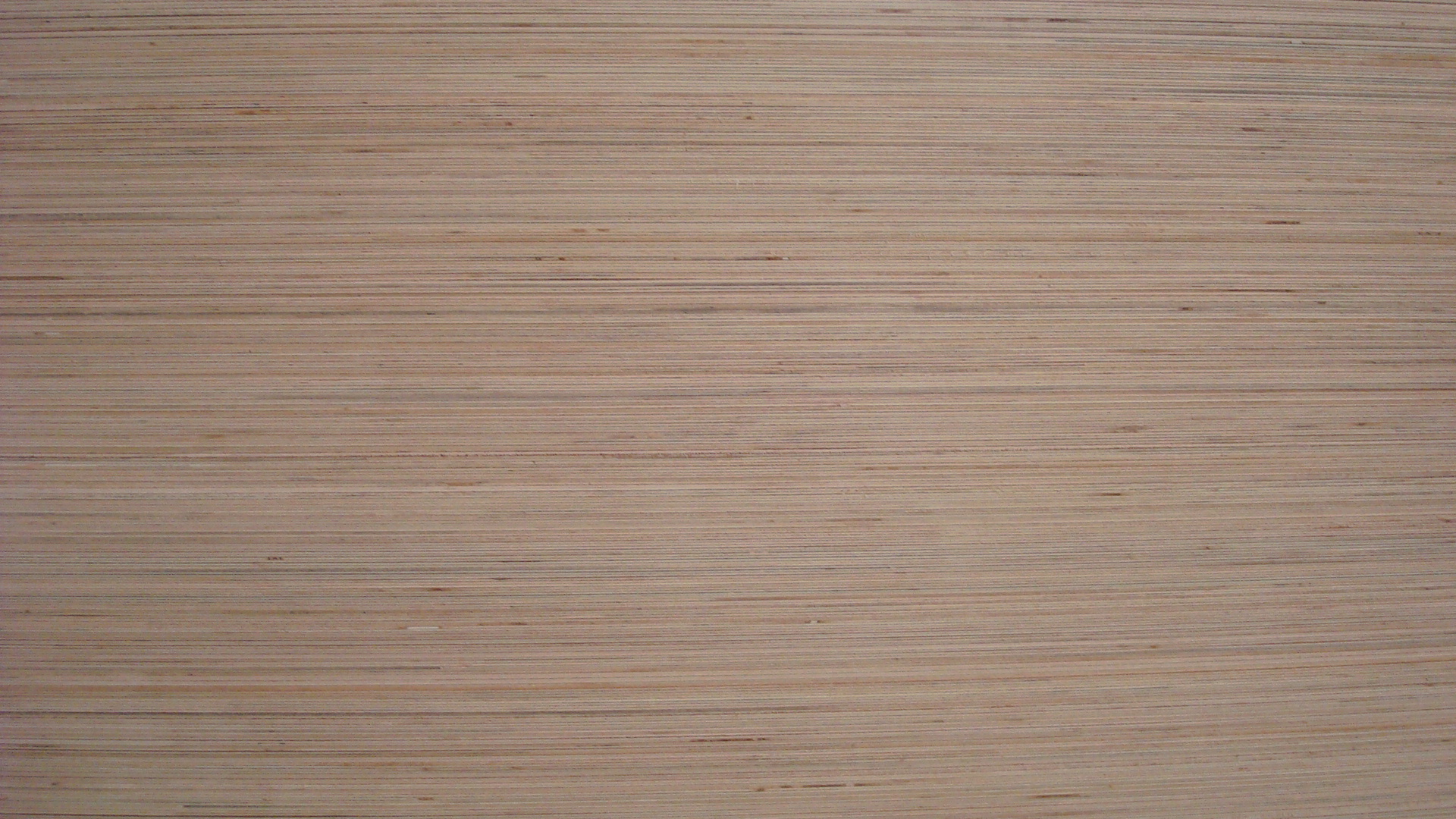
Plywood what is it is a fair question, and the short answer is that plywood is an engineered wood panel built by gluing thin sheets of wood, called veneers, together in crossed layers. The finished board ends up stronger and more stable than a solid plank of the same thickness, which is why builders use it for floors, roofs, walls, furniture, and formwork. This guide explains what plywood is, how it is made, the types and grades you can buy, and where it works best.
In short, plywood is a layered sheet product rather than a solid timber board, and that layering gives it the stability and strength that make it one of the most useful materials in building and making.
The making of plywood explains its properties, so the panel’s behaviour makes sense once you see how the layers sit. The construction matters more than the species.
A log rotates against a knife, or a fluted blade runs along it, and the machine peels or slices a thin ribbon of wood called a veneer. Peeling gives a wide, even sheet, while slicing gives a straighter grain. The method sets the face.
The veneers stack with the grain of each layer running at right angles to the one below, and the glue bonds them under heat and pressure. The crossing spreads the stress in every direction. The panel stays flat and stiff.
An interior glue makes a sheet for dry rooms, a moisture-resistant glue survives damp, and an exterior glue resists weather, so the adhesive sets the exposure the panel suits. The glue line decides the job. The face decides the look.
Plywood comes as three-ply, five-ply, seven-ply, or more, and each extra layer adds stiffness and spreads a load further. The plies alternate direction. The count helps the buyer judge the panel.
The trade groups plywood by construction and by use, and the names tell a buyer where a sheet belongs.
Structural plywood carries a design rating and a span rating for floors, roofs, and walls, and it uses softwood veneers for strength at low cost. The rating sizes the sheet. The stamp proves it.
Marine plywood glues hardwood veneers with a waterproof adhesive and uses fewer, thicker plies, which suits hulls, decks, and any part that sits in water. The thick plies resist splitting. The glue resists the soak.
Interior plywood uses an interior glue and a smoother face for cabinets, furniture, doors, and shelving, while birch plywood takes a fine pale grain for visible work. The face serves the finish. The glue serves the room.
Exterior plywood resists weather for siding, decks, and planters, while film-faced plywood carries a coated surface that releases concrete for formwork and can reuse across pours. The coating protects the sheet. The glue protects the bond.
Tempered plywood hardens for impact duty, wire-face plywood grips plaster, non-slip panels suit walkways, and thin hardwood or craft panels suit model work and decorative cutouts. Each specialty serves its task.
Grading, sizing, and thickness describe a sheet, and buyers check all three before ordering.
Letters such as A, B, C, and D rate the appearance of the two faces, with A the cleanest for a clear finish and D allowing knots and patches for a hidden panel. The letter sets the effort. The job sets the grade.
The most common sheet measures 1220 by 2440 mm, or 4 by 8 feet, with half sheets, quarter sheets, and oversize panels also sold. The standard size fits most framing. The cut panel fits a smaller need.
Thickness runs from about 3 mm to 25 mm, and a thicker panel spans further and carries more, so shelves take 12 to 18 mm while floors and decks take 18 mm or more. The depth follows the span. The job sets it.
| Type | Glue | Best use |
|---|---|---|
| Structural | Exterior | Floors, roofs, walls |
| Marine | Waterproof | Boats, wet decks |
| Interior | Interior | Furniture, cabinets |
| Film-faced | Exterior | Concrete formwork |
The panel earned its place by solving real problems, and its strengths explain why it turned up in so many trades.
The crossed veneers keep a sheet stiff and flat across both axes, so a panel that spans a gap holds a shelf, a door, or a wall panel without bowing. The crossing gives the stiffness. The panel keeps its shape.
One sheet covers a wall, a floor, or a table top in a single piece, which saves joints, glue, and time compared with boards and fixings. The sheet spreads the load. The job moves faster.
Thin plywood bends around a form for curved furniture, boats, and decoration, and it holds the curve once it dries, giving a strength-to-weight ratio a solid board cannot match. The thin sheet takes a curve. The glue holds it.
Plywood grips screws, holds a nail, takes paint, stain, and varnish, and sands to a smooth face, so it suits both a rough structural job and a visible furniture piece. The veneers bite into the screw. The face takes the finish.
Plywood works everywhere from a house frame to a boat hull, and the list covers most trades.
Structural panels sheath walls, roofs, and floors, while film-faced plywood forms concrete for foundations, columns, and slabs and releases cleanly for reuse. The rated panel carries the frame. The coated panel shapes the concrete.
Cabinets, doors, shelves, tables, and desks build from interior and birch plywood, with a smooth face for paint or a pale grain for a clear finish. The panel shows its quality. The joinery uses it flat.
Marine plywood shapes a hull and a deck, while exterior and treated grades build sheds, planters, siding, and play structures that face the weather. The waterproof glue holds the joint. The sheet survives the season.
Thin craft panels, laser-cut blanks, templates, and model kits cut to fine detail, and decorative panels take paint and varnish for signs and displays. The tight core cuts cleanly. The sheet holds a shape.
A buyer picks a sheet by exposure, strength, and finish, and those three questions narrow the choice fast.
Interior glue suits a dry room, moisture-resistant glue suits a damp room, and exterior or marine glue suits an outdoor or wet structure. The exposure picks the glue. The glue picks the sheet.
The load and the span decide the thickness and the structural rating, so a widely spaced joist needs a thicker, rated panel than a close-studded wall. The span table guides it. The stamp confirms it.
A visible face wants a clean grade and a good species, while a hidden panel takes a cheaper face, so the finish decides the grade. The paint grade covers knots. The clear grade shows the grain.
Plywood is easy to cut, but a few habits keep the work safe and the panel sound. The care matters as much as the tool.
Plywood produces fine dust that a mask and extraction handle easily, and a sharp blade lifts a clean edge with far less pressure than a dull one. The sharp blade keeps the cut straight. The mask protects the lungs.
Pre-drilling small fixings stops the veneer splintering, and countersinking lets a screw head sit flush without lifting the face. The pilot hole protects the sheet. The flush head keeps the surface smooth.
Every cut edge exposes the core, so sealing or taping it keeps moisture out and keeps the panel strong for years. The seal guards the bond. The panel lasts longer.
People ask the same questions about what plywood is, and these answers cover the ones that come up most often.
Plywood is an engineered panel of thin wood veneers glued in crossed layers under heat and pressure, and the crossing makes the sheet stronger and more stable than solid timber.
For flat parts like floors, walls, and furniture, plywood wins because it stays flat, spans gaps, and avoids knots, while solid wood suits a piece that shows grain on all sides and needs a carved or turned form.
Builders use it for floors, roofs, wall sheathing, and concrete formwork, and makers use it for furniture, cabinets, doors, shelves, boats, models, and decoration.
Plywood glues solid veneers in crossed layers, so it is strong, light, and moisture resistant with visible grain, while MDF presses wood fibres into a smooth, heavy board that machines to fine edges for painted work.
Exterior and marine plywood resist water through their glue line, but any plywood loses strength if it sits soaked for long, and a cut edge should be sealed.
Plywood is a layered veneer panel, strong in two directions, flat over large areas, and light enough to work, which is why it sheathes buildings, forms concrete, makes furniture, and shapes boats. Choose the glue for the exposure, the thickness for the span, and the face for the finish. For plywood with clean faces, dependable cores, and consistent thickness, a manufacturer such as HYY supplies Commercial Plywood and MDF Board across standard grades and sizes.