Our Location
5th Floor, Huake Center, Lanshan District, Linyi City, Shandong Province, China

5th Floor, Huake Center, Lanshan District, Linyi City, Shandong Province, China

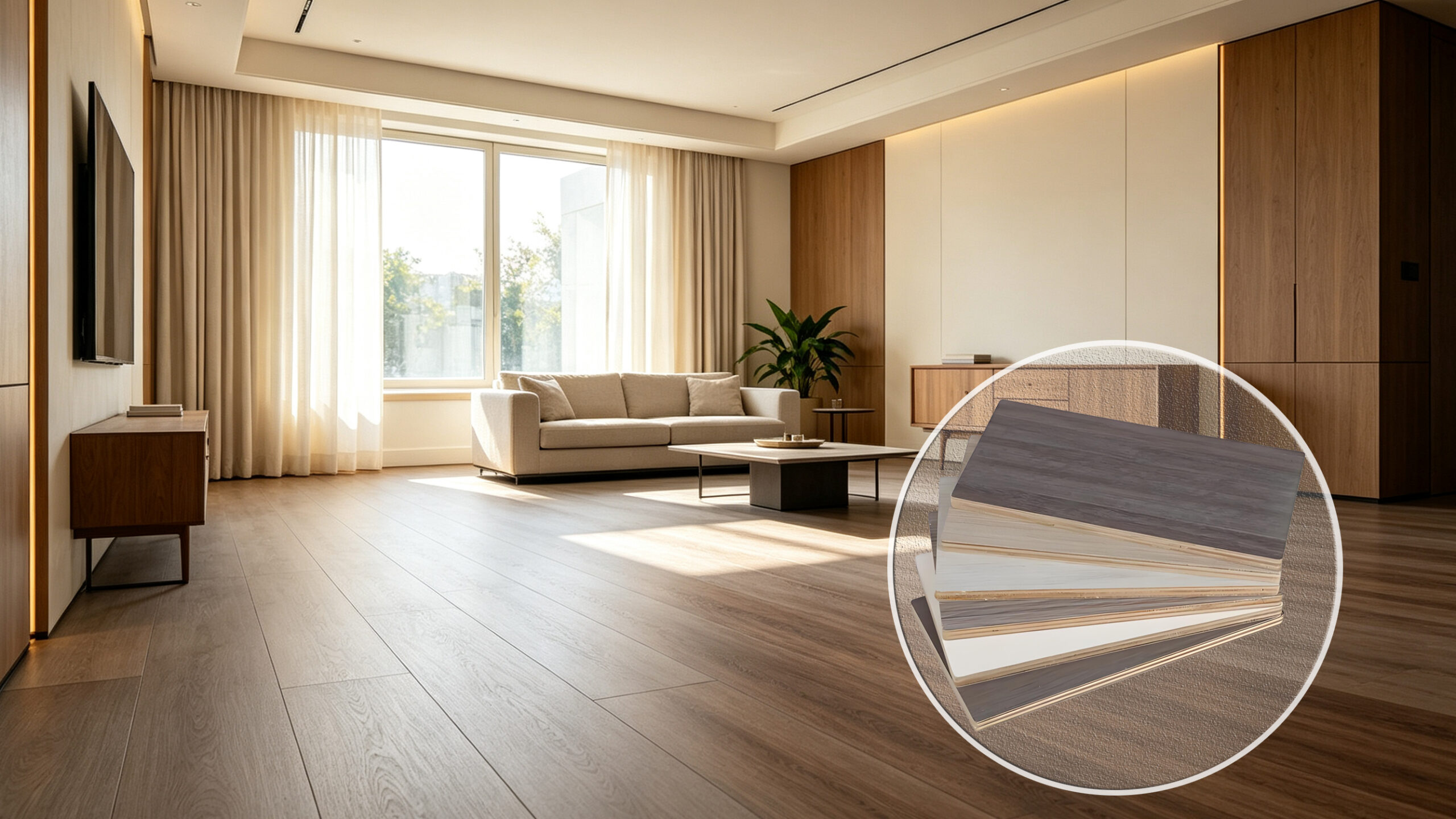
Revêtements de portes de l’intérieur en papier are paper-faced interior door coverings that give a door a smooth, paintable surface, and buyers searching for revtements de portes de lintrieur en papier want the same smooth finish at a lower cost. Revêtements de portes de l’intérieur en papier are thin paper or paper-backed panels bonded to a door core, and they suit interior doors in homes and offices. This guide explains revêtements de portes de l’intérieur en papier, the materials and construction, the types available, and how to buy and install them. Les termes techniques restent en anglais pour faciliter la recherche et l’achat.
A paper-faced door covering gives a door a smooth, paintable surface with little finishing work, and the paper resists minor wear.
Revêtements de portes de l’intérieur en papier refers to thin paper-faced panels bonded to a door core to make a finished interior door.
A paper-faced door skin is a thin panel, usually 2 to 4 millimetres thick, that clads the face of a door core. The skin gives the door its finished look and a smooth surface for paint.
The paper face is a resin-impregnated paper pressed onto the skin under heat and pressure, and it gives a smooth, paintable surface. The paper takes paint well.
The core can be MDF or HDF, and the choice affects weight, strength, and edge finishing. An MDF core is smooth and stable, while an HDF core is denser and harder.
Door skins run from about 2 millimetres to 6 millimetres, and the thickness sets the cost and the durability. A thicker skin lasts longer.
| Feature | MDF core | HDF core |
|---|---|---|
| Density | Medium | High |
| Machining | Easy | Harder |
| Screw holding | Good | Better |
| Cost | Lower | Higher |
The market groups paper-faced door skins by surface, core, and thickness, and the buyer matches each skin to the door.
Paper-faced door skins carry a paper face on one or both sides, and they come in smooth or textured finishes. The surface takes paint well.
MDF door skins use an MDF substrate for a smooth, stable core that machines cleanly. The core takes edge profiles and grooves.
HDF door skins use a denser core for extra durability and screw holding, and they suit doors that take heavy use. The core resists impact.
Door skins run from about 2 millimetres to 6 millimetres, and the thickness sets the cost and the durability. A thicker skin lasts longer.
The skins serve interior door duty, and the surface sets the look.
Interior doors use paper-faced skins for a smooth, paintable surface. The skin gives the door its finished look.
Kitchen cabinets use paper-faced skins for doors and drawer fronts that take paint. The surface wipes clean.
Wardrobes and closets use paper-faced skins for a smooth, paintable surface. The skin stays flat.
Commercial doors use HDF skins for extra durability in high-traffic areas. The dense core resists impact.
The counter visit works best when the buyer knows the surface, the core, and the thickness before asking the price.
The buyer inspects the paper surface for even colour, no bubbles, and no scratches. The surface decides the look.
The buyer picks MDF for smoothness and machining, or HDF for durability and screw holding. The core sets the strength.
The buyer matches the thickness to the door and the use, with 2 to 4 millimetres covering most interior doors. The thickness sets the durability.
The price follows the surface, the core, and the thickness, and delivery and cutting add to the total. The buyer compares like for like across dealers.
A door skin performs only when it is bonded and edged correctly, and the installer follows the manufacturer’s pattern.
The skin bonds to the core with adhesive under pressure, and the installer clamps the skin until the glue sets. The bond holds the skin flat.
The paper edge shows the core, so edge banding or a matching strip covers it on visible parts. The edge finish completes the look.
The MDF or HDF core machines cleanly, and the installer cuts, routes, and profiles with standard tools. The core takes the detail.
The paper surface takes paint or varnish, and the buyer prepares the surface before finishing. The finish decides the look.
A few slips cost more than a higher sheet price, and avoiding them keeps the project on budget.
An MDF core sags under heavy use, so the buyer picks HDF for high-traffic doors. The core sets the strength.
A thin skin dents and shows the core, so the buyer picks the thickness the door needs. The thickness sets the durability.
A bubbled or scratched surface shows under paint, so the buyer inspects the surface before paying. The check saves a return trip.
A sheet that sits badly can warp or stain before it reaches the job.
Sheets store flat on even supports off the ground under cover, so the panel stays flat until it reaches the job site.
Even a paper-faced panel loses strength if it sits soaked for weeks, so the buyer keeps every stack under cover.
A buyer checks these points before loading a skin.
The buyer inspects the paper surface for even colour, no bubbles, and no scratches.
The buyer picks MDF for smoothness and machining, or HDF for durability and screw holding.
The buyer matches the thickness to the door and the use.
The buyer adds delivery, cutting, and edge banding to the skin price before deciding.
They are thin paper-faced panels bonded to a door core to make a finished interior door with a smooth, paintable surface.
They are used for interior doors, kitchen cabinets, wardrobes, and commercial doors where a low-maintenance, paintable surface matters.
Yes, the paper surface takes paint well and the HDF core resists impact, but the surface needs finishing to protect it.
MDF suits smoothness and machining, while HDF suits durability and screw holding. The core follows the use.
Check the surface, the core, the thickness, and the edge, and compare delivered cost across dealers.
Revêtements de portes de l’intérieur en papier give a door a smooth, paintable surface, and the buyer matches the surface, the core, and the thickness to the door. Check the surface for even colour and no bubbles, and finish the surface to complete the look. For panels with clean faces, dependable cores, and consistent thickness, a manufacturer such as HYY supplies Commercial Plywood and Melamine Plywood in standard grades.