Our Location
5th Floor, Huake Center, Lanshan District, Linyi City, Shandong Province, China

5th Floor, Huake Center, Lanshan District, Linyi City, Shandong Province, China

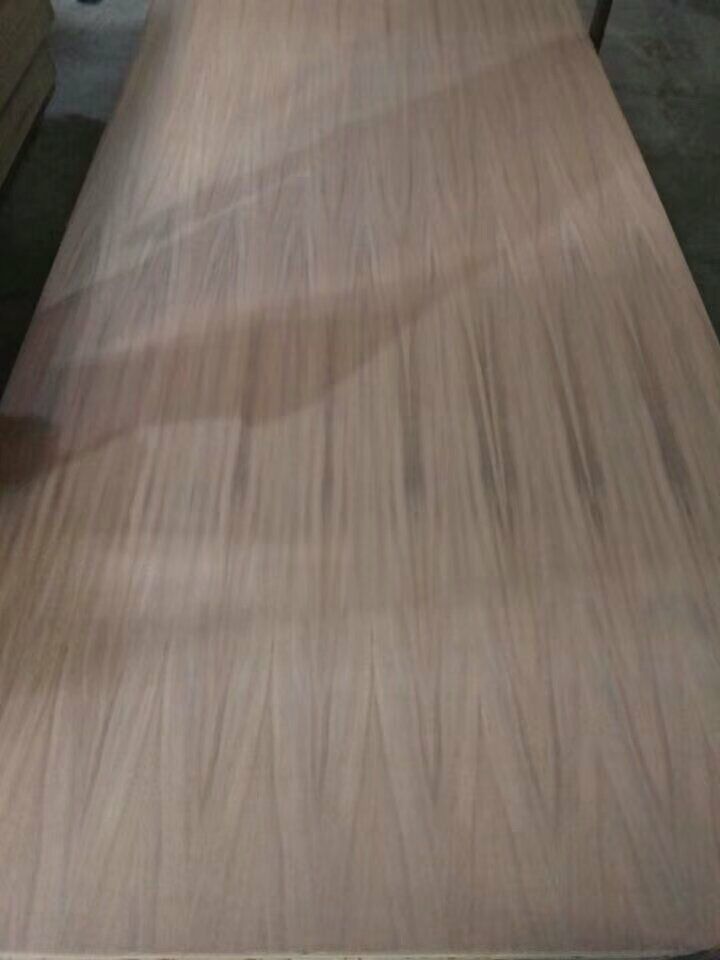
Rocplex plywood is a branded panel used for construction, furniture, and interior work, and buyers search for rocplex plywood when they need a sheet with a clean face and a dependable core. Rocplex plywood comes in the common sizes and thicknesses, and the buyer matches the grade and the bond class to the job. This guide explains rocplex plywood, the grades and sizes it comes in, how to read the stamp, and how to buy and install the panel.
A rocplex plywood panel is one of many branded sheets on the market, and the buyer who reads the stamp and matches the grade to the job gets a panel that performs well.
Rocplex plywood refers to a branded panel sold for construction, furniture, and interior work, and the brand marks the sheet’s origin.
Rocplex plywood is a branded sheet, and the brand name tells the buyer who stands behind the panel. A trusted brand keeps thickness and face quality consistent from one shipment to the next.
The face can be sanded, hardwood, or film-faced, and the core can be softwood or hardwood. The face decides the finish, and the core decides the strength.
Panels run from about 4 millimetres to 25 millimetres, and each step adds material cost and span capacity. The depth follows the span.
Interior, moisture-resistant, and exterior glue tell the buyer how the sheet copes with damp, and the higher class costs more. The exposure sets the requirement.
| Feature | What it means | Typical value |
|---|---|---|
| Brand | Origin | Rocplex |
| Face | Appearance | Sanded or hardwood |
| Thickness | Panel depth | 4 to 25 mm |
| Bond | Water resistance | Interior to exterior |
The market groups rocplex plywood by face, core, and bond class, and the buyer matches each panel to the job.
Sanded rocplex plywood carries a smooth face for paint and general interior work, and the panel suits furniture carcasses and shop work. The face takes the finish.
Hardwood-faced rocplex plywood carries a birch or other hardwood veneer for visible furniture, cabinets, and doors. The grain shows through a clear coat.
Exterior rocplex plywood resists weather for sheds, decks, and planters, and the panel suits outdoor work. The glue resists damp.
Film-faced rocplex plywood carries a coated face for concrete formwork, and the film releases concrete cleanly. The coating protects the panel.
The panel serves construction, furniture, and interior duty, and the buyer matches the grade and the bond class to the job.
Structural sheets cover walls, roofs, and floors before finish, and the rated panel carries the load. The sheet stiffens the frame.
Sanded and hardwood-faced sheets build shelves, cabinets, and furniture that show a clean face. The face takes paint or varnish.
Exterior and marine sheets suit sheds, decks, and boats, and the waterproof glue resists weather. The panel survives the season.
Film-faced sheets form concrete columns, slabs, and foundations, releasing cleanly for reuse. The coated face protects the panel.
The counter visit works best when the buyer knows the face, the bond class, and the thickness before asking the price.
The edge stamp names the species, the face grade, the bond class, and the thickness, so the buyer reads it before paying. A missing stamp means an unknown sheet.
The buyer inspects the face for knots, patches, and grain consistency, because a hardwood face shows every flaw under a clear coat. The face grade matches the finish.
Interior glue suits dry rooms, moisture-resistant glue suits damp areas, and exterior or marine glue suits outdoor or wet work. The glue class sets the duty.
The buyer checks the edge for voids and swelling, and swaps a bad panel at the rack. The inspection saves a return trip.
A panel performs only when it is fixed and finished correctly, and the installer follows the manufacturer’s pattern.
A sharp blade leaves a clean edge, and measuring from the square corner keeps the part true. The saw kerf removes a little width, so the buyer subtracts it from the cut list.
Pre-drilling small holes stops the veneer from splintering, and countersinking lets a screw head sit flush without lifting the face. The fixing holds without damage.
A plywood edge shows plies, so edge banding or a solid lipping covers it on visible parts. The edge finish completes the look.
Paint, stain, or varnish protects the face and suits the grade, and the finish decides the final look.
A few slips cost more than a higher sheet price, and avoiding them keeps the project on budget.
The brand name marks the sheet, but the stamp names the grade, the bond class, and the thickness. The buyer reads the stamp before trusting the brand.
An interior-bonded sheet softens in damp, so using it outdoors leads to delamination. The glue class must match the exposure.
A sheet with a voided core or a swollen edge fails after it is fixed, so the buyer checks the face, the edge, and the stamp before paying.
A sheet that sits badly can warp or stain before it reaches the job.
Sheets store flat on even supports off the ground under cover, so the panel stays flat until it reaches the job site.
Even an exterior-bonded sheet loses strength if it sits soaked for weeks, so the buyer keeps every stack under cover.
A buyer checks these points before loading a sheet.
The buyer reads the species, face grade, bond class, and thickness on the edge stamp.
The buyer inspects the face for knots, patches, and grain consistency.
The buyer matches the glue class to the exposure.
The buyer adds delivery, cutting, and edge banding to the sheet price before deciding.
It is a branded plywood panel sold for construction, furniture, and interior work, and the brand marks the sheet’s origin.
It is used for construction sheathing, furniture, cabinets, outdoor structures, and formwork, depending on the grade and the bond class.
The quality depends on the grade, the bond class, and the stamp, so the buyer reads the stamp and inspects the panel before paying.
Face grades run from A to D, with A the cleanest for a clear finish and D allowing knots for a hidden panel. Bond classes run from interior to exterior and marine.
Read the stamp for species, grade, bond class, and thickness, check the face and edge, and compare delivered cost across dealers.
Rocplex plywood is a branded panel for construction, furniture, and interior work, and the buyer matches the grade and the bond class to the job. Read the stamp, match the exposure, and finish the face to suit the grade. For panels with clean faces, dependable cores, and consistent thickness, a manufacturer such as HYY supplies Commercial Plywood and Melamine Plywood in standard grades.