Our Location
5th Floor, Huake Center, Lanshan District, Linyi City, Shandong Province, China

5th Floor, Huake Center, Lanshan District, Linyi City, Shandong Province, China

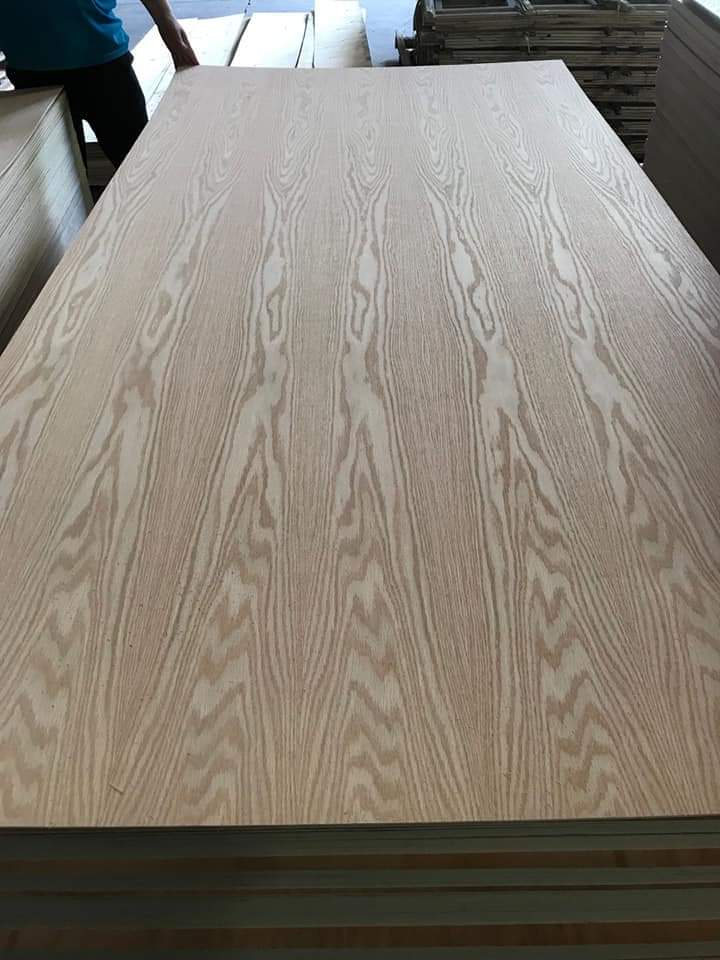
T ply construction is a shorthand for a build where plywood is the primary sheet material across walls, floors, roofs, and joinery, and the term marks a project that leans on the panel’s strength, flatness, and large sheet size. T ply construction suits small buildings, extensions, cabins, and fit-outs where one material simplifies the job and keeps the weight down. This guide explains t ply construction, the grades and thicknesses it uses, where it fits in a build, and how to buy and install the sheets.
A t ply construction build keeps one material family from frame to finish, and the buyer still has to match each sheet to its duty. The consistency is the point, but the details still matter.
T ply construction refers to using plywood as the primary sheet material across the structure, with the same material family handling load and finish.
The walls, floors, and roofs use structural plywood sheets with span ratings, and the consistency means one material type handles load and finish across the job. The sheet spreads the load.
Cabinetry, doors, and shelves use sanded or hardwood-faced sheets from the same supplier, so the look stays consistent through the build. The face takes paint or varnish.
Buying all the plywood from one dealer or one mill keeps the thickness, the grade, and the glue class uniform across the project. The uniformity helps the build.
| Part | Plywood type | Role |
|---|---|---|
| Walls | Structural sheathing | Load and frame tie |
| Floors | Structural subfloor | Flat base |
| Roofs | Roof deck | Weather base |
| Joinery | Sanded or hardwood | Finish |
The build uses different grades for different parts, and the buyer matches each sheet to its duty.
Walls, floors, and roofs take structural plywood with a span rating, because these parts carry load before any finish goes on. The rating sizes the sheet.
Cabinets, doors, and shelves take interior-bonded sanded or hardwood sheets, because they stay dry and show a face. The face takes the finish.
Siding, decks, and wet areas take exterior or marine-bonded sheets, because they face rain and humidity. The glue resists the damp.
Sheathing takes twelve to eighteen millimetres, floors take eighteen millimetres or more, and cabinet backs take six to nine millimetres. The depth follows the span.
The t ply construction approach suits small buildings, extensions, cabins, and fit-outs where one material simplifies the job.
A shed, a garage, or a cabin builds quickly from plywood sheets, and the consistent material cuts down on trades and details. The sheet covers the frame.
A home extension uses plywood for walls, roof, and floor, and the light material suits adding onto an existing structure. The panel lifts easily.
A shop fit-out or an office partition uses plywood for walls, counters, and shelving, and the material installs fast. The sheet covers large areas.
A cabin or a tiny home builds from plywood for structure and finish, and the material keeps the weight down. The sheet suits mobile or remote sites.
A buyer checks the stamp, the thickness, and the delivery before ordering the full set.
The edge stamp names the species, the face grade, the bond class, and the thickness, so the buyer reads it before paying. A missing stamp means an unknown sheet.
The buyer counts the sheets for walls, floors, roofs, and joinery, and orders a little extra for cuts and mistakes. The count avoids a second trip.
A full set of sheets needs a truck or a delivery, and the buyer confirms the range and the fee before ordering. The freight adds to the total.
The buyer checks each sheet for voids, swelling, and the correct stamp before it goes into the build. The check saves a failed panel.
The sheets go on with even fasteners, expansion gaps, and dry storage, and the installer follows the span rating for each part.
Each sheet sits with its strong axis across the supports and every edge on a joist or blocking, so the panel does not sag under a load. The support keeps the sheet flat.
A small gap at the edges lets the panel move with moisture without buckling, and leaving no gap causes cupping in a wet season. The gap allows movement.
The fastening pattern follows the manufacturer and the code, with screws or nails at regular spacing that resists uplift and keeps the sheet down. The pattern follows the rating.
The sheets stay under cover off the ground until they go on the frame, because a wet panel loses strength and a wet edge delaminates. The dry store protects the sheet.
The all-plywood build brings real gains over a mixed-material approach.
Using plywood across walls, floors, roofs, and joinery means one material type handles load and finish, and the consistency simplifies ordering and cutting. The single source reduces waste.
Plywood sheets cover large areas in one piece, and the light material lifts easily on site. The job moves faster than a board-and-batten approach.
The crossed veneers keep the sheet stiff and flat across both axes, so panels span gaps without sagging. The structure stays true over time.
A few slips cost more than a higher sheet price, and avoiding them keeps the project on budget.
An interior-bonded sheet softens in damp, so using it outdoors leads to delamination. The bond class must match the exposure.
A thin sheet spanning too far sags under a load, so the buyer checks the span table and picks the depth the job needs.
A sheet with a voided core or a swollen edge fails after it is fixed, so the buyer checks the face, the edge, and the stamp before paying.
A sheet that sits badly can warp or stain before it reaches the job, so storage matters as much as the purchase price.
Sheets store flat on even supports off the ground under cover, so the panel stays flat until it reaches the job site.
Even an exterior-bonded sheet loses strength if it sits soaked for weeks, so the buyer keeps every stack under cover.
A sheet from an all-plywood build still needs careful cutting, fixing, and finishing to perform as rated.
A sharp blade leaves a clean edge, and measuring from the square corner keeps the part true. The saw kerf removes a little width, so the buyer subtracts it from the cut list.
Pre-drilling small fixings stops the veneer from splintering, and countersinking lets a screw head sit flush without lifting the face.
Paint, stain, and varnish take well on a sanded face, and the grain shows through a clear coat. The finish protects the panel and decides the final look.
A buyer checks these points before ordering the full set.
Every panel carries a readable stamp with species, grade, bond class, and thickness.
The dealer replaces a damaged or misgraded sheet without argument.
The dealer keeps common grades and thicknesses in stock for quick pickup.
T ply construction means using plywood as the primary sheet material across walls, floors, roofs, and joinery, keeping one material family through the project.
Yes, when the sheets carry structural ratings and the spans match the frame, plywood builds strong walls, floors, and roofs.
Structural grades for load-bearing parts, interior sanded or hardwood for joinery, and exterior or marine for wet areas.
Yes. One dealer can supply structural, sanded, and exterior sheets in the common sizes, and delivery covers the full set.
It can, because one material simplifies ordering and cutting, but the total still depends on the grade, the thickness, and the freight.
T ply construction means using plywood as the primary sheet material across the build, from structure to finish, with each sheet matched to its duty. Read the stamp, match the grade to the exposure, and fix with even fasteners and expansion gaps. For sheets with clean faces, dependable cores, and consistent thickness behind all-plywood builds, a manufacturer such as HYY supplies Commercial Plywood and Melamine Plywood in standard grades.