Our Location
5th Floor, Huake Center, Lanshan District, Linyi City, Shandong Province, China

5th Floor, Huake Center, Lanshan District, Linyi City, Shandong Province, China

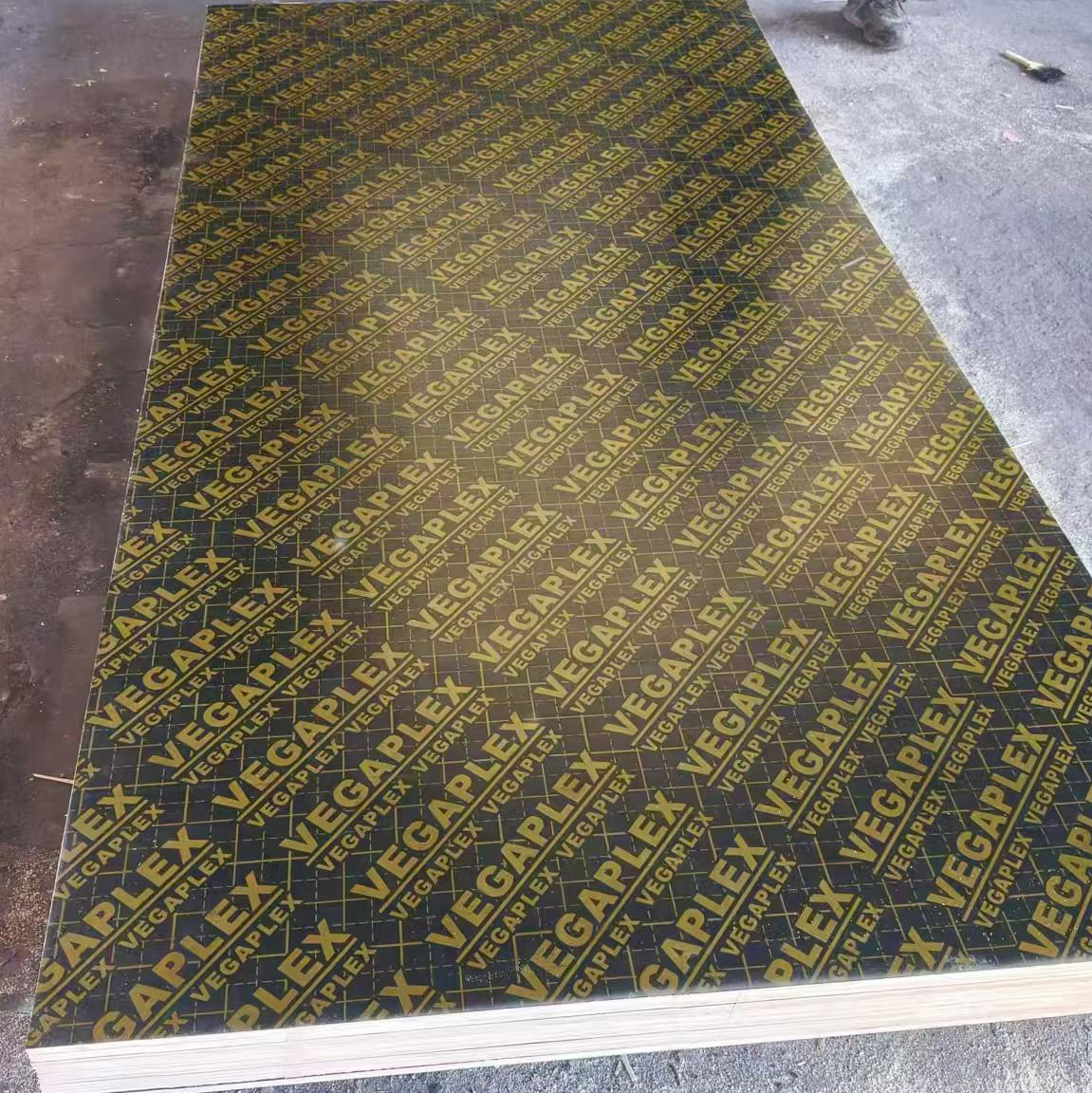
What is film faced non structural plywood and when should a buyer choose it? Film faced non structural plywood is a coated panel that carries a film face for concrete release but lacks a structural span rating, so it suits light formwork, temporary works, and non-load-bearing jobs. The film face releases concrete cleanly, but the panel is not rated for load-bearing duty. This guide explains what is film faced non structural plywood, how it differs from structural film faced sheets, and where it earns its place.
The film face panel saves money where load is not a concern, but the buyer still has to match the glue class and the thickness to the job.
The construction of a non structural film faced panel explains its behaviour, and each part matters.
A phenolic or melamine film coats one or both faces, and the coating releases concrete cleanly and protects the core from water and abrasion. The film adds cost and reuses across pours.
The core uses softwood or hardwood veneers without a structural rating, so the panel is not sized for a floor, a roof, or a wall that carries load. The core is lighter than a structural panel.
The panel may use exterior or interior glue depending on the duty, and the glue class decides where the panel can go. The exposure sets the requirement.
A non structural sheet carries no span rating or design value, so it is not sized for load-bearing duty. The stamp lacks the structural numbers.
The two panel types differ in rating, core, glue, and duty, and the buyer picks the one that matches the job.
Structural film faced plywood carries a design rating and a span rating, while non structural film faced plywood carries none. The rating decides where the sheet can go.
Structural panels use exterior glue and a dense core for load-bearing duty, while non structural panels use interior or moisture-resistant glue and a lighter core. The glue class sets the exposure.
Non structural sheets cost less per square metre, because they use less material and skip structural testing. The saving suits light duty.
Structural sheets sheath walls, roofs, and floors, while non structural sheets suit light formwork, temporary works, and non-load-bearing jobs. The duty picks the panel.
| Feature | Structural film faced | Non structural film faced |
|---|---|---|
| Span rating | Yes | No |
| Glue | Exterior | Interior / MR |
| Cost | Higher | Lower |
| Duty | Load-bearing | Light formwork, temporary |
The panel serves light-duty applications, and the buyer matches the glue class and thickness to the job.
Light walls, small slabs, and column forms use non structural film faced plywood where the load is moderate and the face releases concrete. The sheet suits the duty.
Site hoardings, guards, and temporary structures use non structural film faced plywood, where the appearance does not matter and the panel serves for a season.
Non-load-bearing sheathing and cladding use non structural panels for a flat surface that does not carry a structural load. The sheet covers large areas in one piece.
Offcuts and thin non structural film faced sheets cut into jigs, templates, and shop fixtures, and the low cost suits a part that wears out. The sheet holds a dimension.
The counter visit works best when the buyer knows the glue class, the film type, and the thickness before asking the price.
The edge stamp names the species, the film type, the bond class, and the thickness, so the buyer reads it before paying. A missing stamp means an unknown sheet.
Interior glue suits dry rooms, and moisture-resistant glue suits damp areas, so the buyer matches the glue to the exposure. The glue class sets the duty.
The buyer inspects the film for tears, bubbles, and uneven coverage, because a damaged film lets concrete stick and the sheet loses its reuse value. The coating protects the panel.
The buyer checks the edge for voids and swelling, and swaps a bad panel at the rack. The inspection saves a return trip.
A few slips cost more than a higher sheet price, and avoiding them keeps the project on budget.
An interior-bonded sheet softens in damp, so using it outdoors leads to delamination. The glue class must match the exposure.
A thin sheet spanning too far sags under a load, so the buyer checks the span table and picks the depth the job needs. The thickness carries the weight.
A non structural face shows under a clear coat, so the buyer inspects the face before paying. The face grade matches the finish.
A sheet that sits badly can warp or stain before it reaches the job.
Sheets store flat on even supports off the ground under cover, so the panel stays flat until it reaches the job site.
Even an exterior-bonded sheet loses strength if it sits soaked for weeks, so the buyer keeps every stack under cover.
A buyer checks these points before loading a coated sheet.
The buyer reads the species, film type, bond class, and thickness on the edge stamp.
The buyer inspects the film for tears, bubbles, and uneven coverage before paying.
The buyer inspects the edge for voids, splits, and swelling before paying.
The buyer adds delivery, cutting, and edge banding to the sheet price before deciding.
The buyer also checks the film for tears, bubbles, and uneven coverage before paying, because a damaged film lets concrete stick.
A film faced non structural sheet that releases concrete cleanly earns its price on a light-duty site.
A buyer matches the sheet to the job, and these cases show the match.
A light form uses a film faced non structural sheet that releases cleanly and survives several pours. The coated face protects the panel, and the builder cleans it between pours.
A temporary hoarding uses a film faced non structural sheet sealed against rain and damp. The exterior glue resists the weather.
A jig or template uses a thin film faced non structural sheet that cuts cleanly and holds a dimension. The low cost suits a part that wears out.
A buyer checks these points before loading a coated sheet.
The buyer reads the species, film type, bond class, and thickness on the edge stamp.
The buyer inspects the film for tears, bubbles, and uneven coverage before paying.
The buyer inspects the edge for voids, splits, and swelling before paying.
The buyer adds delivery, cutting, and edge banding to the sheet price before deciding.
It is a coated panel with a film face for concrete release but no structural span rating, suited for light formwork, temporary works, and non-load-bearing jobs.
Only if it carries an exterior or marine bond class, because standard non structural interior glue softens in damp. The glue class sets the exposure.
Yes, because it skips structural testing and uses a lighter core, so it costs less per square metre than structural film faced panels.
It is used for light formwork, temporary works, non-load-bearing sheathing, and jigs where the sheet does not carry a structural load.
Read the stamp for species, film type, bond class, and thickness, match the glue to the exposure, and inspect the film and edge before paying.
What is film faced non structural plywood? It is a coated panel with a film face for concrete release but no structural span rating, suited for light formwork, temporary works, and non-load-bearing jobs. Match the glue class to the exposure, the film type to the duty, and the thickness to the span. For panels with clean faces, dependable cores, and consistent thickness, a manufacturer such as HYY supplies Commercial Plywood and Film Faced Plywood in standard grades.