Our Location
5th Floor, Huake Center, Lanshan District, Linyi City, Shandong Province, China

5th Floor, Huake Center, Lanshan District, Linyi City, Shandong Province, China
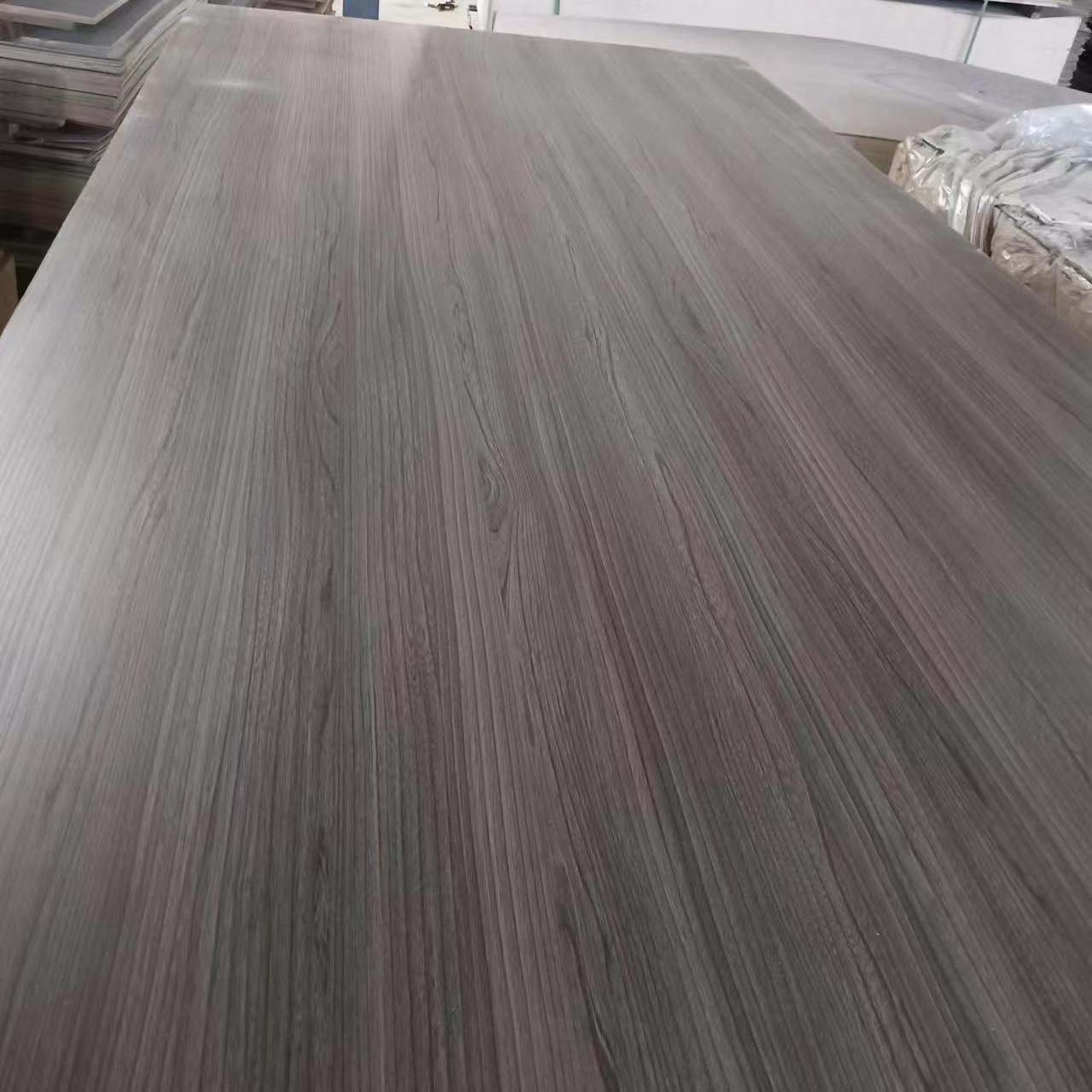
When an importer asks for 2.4 m plywood, they almost always mean a 2440 x 1220 mm full sheet, the metric panel that replaced older 8 x 4 ft stock in most world markets. The switch sounds simple, yet the dimension drives everything downstream: freight cost, cutting yield, and whether a job fits the sheet at all. This guide explains what that size really gives you, which thickness and core to order, and how buyers avoid the common mistakes that turn a cheap sheet price into an expensive project.
Metric sheets measure 2440 mm long and 1220 mm wide, with thickness from 3 mm to 25 mm depending on the core. Factories near the building-panel hubs of Shandong and liaoning stock these panels in commercial, melamine, film faced, and lumber-core constructions, so a single size does not mean a single product.
A 2.4 m plywood sheet is the metric successor to the imperial 8 x 4 ft panel. The two dimensions differ by only 25 mm in length and 22 mm in width, which matters for anything built to a drawing. Standard construction panels use softwood or poplar cores with hardwood faces; furniture-grade panels add a decorative overlay. You must confirm the actual metric dimensions with the mill because some suppliers list one size but trim to the other for regional rail or container limits.
Weight scales directly with thickness and core density. A 12 mm poplar-core panel weighs roughly 17 to 19 kg, while an 18 mm panel runs near 27 kg. These numbers decide how many sheets fit in a 20 ft or 40 ft container and whether one worker can move them on site. Poplar cores weigh less than birch or hardwood cores of the same thickness, so a lighter sheet does not always mean a weaker one.
Markets differ sharply in what they call “full size.” Europe, Asia, and Australia standardize on 2440 x 1220 mm; North America still quotes 8 x 4 ft in many yards. The overlap causes real problems when a buyer orders “full sheet” and receives panels that cannot fit a pre-cut base. Always put the exact mm size on the order line, not the market nickname.
Thickness selection comes before anything else because it sets price, weight, and stiffness together. The buyer who buys for the intended load rather than the perceived bargain gets the best total cost. Use the table below as a starting point, then confirm the recommended span with the mill for your specific use.
| Thickness | Typical core | Common jobs | Notes |
|---|---|---|---|
| 3-5 mm | Poplar or hardwood | Packing, drawer backs, signage | Flexible; order with flat storage in mind |
| 9-12 mm | Poplar / mixed hardwood | Furniture sides, shelving, shopfitting | Best balance of weight and stiffness |
| 15-18 mm | Hardwood or blockboard core | Worktops, doors, structural framing | Check screw retention and edge build |
| 21-25 mm | Blockboard or film faced | Formwork, staging, heavy shelving | Heaviest option; plan handling and freight |
Thinner panels flex more and suit loads that stay flat, while thicker panels carry weight without sagging. For kitchen cabinets and interior joinery, a 12 mm melamine board keeps cost down without sacrificing rigidity. For concrete formwork, a film-faced panel at 15 to 18 mm handles repeated pours because the phenolic film protects the edges.
Every panel has a practical span tolerance that depends on core species and thickness. A 9 mm softwood panel bows under heavy shelving over a wide bay, whereas an 18 mm panel carries the same load with little deflection. If the project spans more than 600 mm unsupported, step up one thickness class instead of doubling supports.
Full sheets produce profit when the cutting plan uses the whole panel, but many jobs only need parts. Mills and trading houses therefore offer split sizes such as 2440 x 610 mm and 1220 x 610 mm for small returns. These sub-panels cut labor time and reduce over-specification on narrow applications.
Ask the supplier which split sizes ship from stock. Factory-side ripping costs less than on-site cutting and keeps tolerances tight when parts must match.
A cutting plan turns sheet size into real yield. Lay out tall parts along the 2440 mm length and wide parts across the 1220 mm width, then batch identical cuts before changing the saw setting. Shops that plan this way routinely save one full sheet for every ten ordered, a saving that often exceeds the price difference between two suppliers.
Freight cost depends on how many panels fit the container, so sheet size and thickness both affect landed price. A 40 ft container carries roughly 900 to 1100 sheets of 12 mm commercial plywood depending on packaging, while 18 mm panels take roughly half that volume. Importers who plan the container mix before ordering avoid paying full freight on half-empty boxes.
The import decision also involves grade. Commercial plywood with A-grade faces suits furniture and visible joinery, while utility grades fit interior sheathing where appearance does not matter. Specify the face grade in the same line as the size so the pricing quote cannot drift.
Sheet prices vary with core species, adhesive type, and face grade far more than with size alone. Compare quotes on identical specifications: 2440 x 1220 x 12 mm, poplar core, utility face, WBP glue. When two offers differ by more than 8%, inspect the core quality and glue class first, because those define whether the panel lasts in service.
Most returned orders trace back to four errors that cost buyers time and money. The first is mixing units: quoting 8 x 4 ft and receiving 2440 x 1220 mm panels that do not fit templated cuts. The second is ignoring thickness drift, where a cheaper 12 mm panel measures 11.2 mm and fails a tolerance check.
Third, buyers often forget that surface finish and splice quality matter. A decorative overlay hides a rough core temporarily, but the panel fails at the edge or under hinging load. Finally, buyers skip the moisture and storage plan, then wonder why panels cup in a damp warehouse.
Accept the supplier’s sample panel before committing a large order. A 12 mm sample that cuts cleanly, holds screws, and stays flat predicts the container; anything less predicts a dispute.
Choose 2440 x 1220 mm sheets when lengths exceed 1.2 m, when the drawing uses repeating panels, or when freight economics favor full sheets over cut stock. The size suits cabinetry, door components, shopfitting, packing, and formwork. For small parts or narrow strips, split sizes cost less freight and trim less waste.
Minimizing over-width is the practical rule: if the widest part measures 600 mm, buying 1220 mm stock and ripping in half beats ordering 600 mm width if the mill cannot guarantee the same core at the split width. Always compare total delivered cost, not the nominal sheet price.
No. 2.4 m panels measure 2440 x 1220 mm; 8 x 4 ft panels measure 2438 x 1219 mm. The 2 mm difference rarely matters, but confirm the exact size for CNC nested parts.
Most shops choose 18 mm for door slabs and 9-12 mm for carcass sides. Confirm the hinge screws into the edge for 18 mm panels.
Yes. Most mills rip and crosscut to customer sizes in 10 mm increments. Precut stock raises per-sheet cost but cuts on-site labor and waste.
Count sheets honestly at loading and keep one packed reference panel. Discrepancies usually trace to mixed sizes or loose strapping, not the mill’s nominal stock.
For furniture and interiors, the melamine face eliminates finishing time and protects against scratches, so total installed cost usually drops. For structural or rough use, plain faces perform the same at lower price.
Ordering a 2.4 m plywood sheet starts with the right specification, not the lowest quote. Confirm the metric size, thickness, core, glue, and face grade in writing, then compare total delivered cost against an identical spec. When you need a second opinion on panel choice, a supplier like HYY can walk a buyer through the documentation, and its printed range covers Commercial Plywood, Melamine Plywood, and Film Faced Plywood in the same 2440 x 1220 mm footprint.