Our Location
5th Floor, Huake Center, Lanshan District, Linyi City, Shandong Province, China

5th Floor, Huake Center, Lanshan District, Linyi City, Shandong Province, China
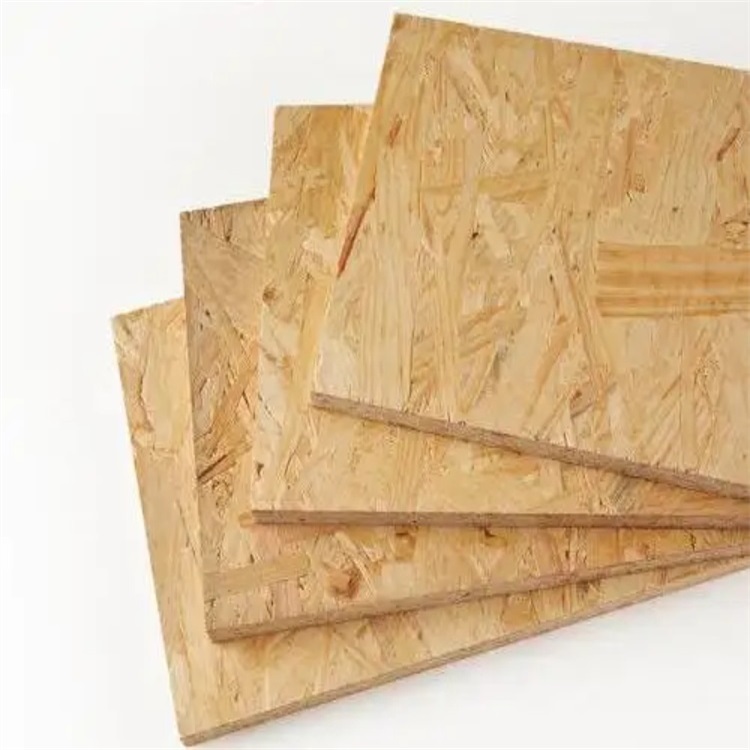
A 2.7 m plywood panel sits outside the standard 2440 x 1220 mm footprint, so buyers usually request it for a reason: a truck body, a continuous worktop, or a formed concrete pour that the standard sheet cannot span. Because mills make long sheets to order, the price, lead time, and handling rules differ from shelf stock. This guide lays out when the extra length pays, what to specify, and how to keep freight and waste in check when you move beyond the standard panel.
Long panels run 2700 mm or more in length with standard 1220-1250 mm width, available in 9 to 21 mm thicknesses. Suppliers produce them from the same cores as standard sheets, but the longer face veneer and added handling push the unit price up, so buyers should only order them when the job genuinely needs the span.
The request for 2.7 m panels almost always comes from a specific build dimension. Truck decks and trailer liners want one continuous sheet, kitchen worktops prefer a seam-free span, and concrete formwork gains strength when one sheet carries the full module. In every case the decision balances longer-sheet convenience against the higher per-panel cost and stricter logistics.
Transport bodies, roof sheathing on long bays, stair stringers, exhibition stands, and staged concrete formwork all benefit from a 2700 mm sheet. Interior furniture rarely needs the span, because cabinet modules stay under 1 m and standard panels join cleanly with splines. Identify the maximum continuous dimension before ordering long stock.
If the longest part measures 2.4 m or less, or a scarf joint can bridge the gap invisibly, standard panels cost less and ship faster. Seams in sheathing and flooring are normal practice when oriented correctly, so only true structural or appearance-critical spans justify the long sheet premium.
Beyond the higher price, long sheets change three things buyers take for granted: available face quality, tolerance, and delivery constraints. Standard 2440 mm panels run on fixed production lines with tight wrap and finish control; extended lengths push the same veneers across a longer joint path, so splicing and face appearance deserve closer inspection. Furthermore, length tolerance widens as the panel grows, and not every carrier accepts an oversized bundle.
Mills schedule custom lengths after standard work, so a 2.7 m order rarely ships the same week. Talk to the supplier about the next production slot before you design around the panel. A confirmed ship date protects the site schedule far better than a hopeful promise on the quotation.
Inspect the first presses for splices near the panel ends and for edge waviness that carries through every ripping cut. A bowed face veneer at 2.7 m can throw off a CNC pass that a 1.2 m sheet would never show. Photograph the sample corners and edges so the production run matches the sample.
Long panels mirror standard constructions but add a length premium. The most common order is 2700 x 1250 x 12 mm commercial plywood, with furniture-grade melamine and film-faced versions produced on the same equipment. Confirm that the core and glue class match the application, because length alone does not improve load performance.
| Length | Width | Common thickness | Typical use |
|---|---|---|---|
| 2700 mm | 1220-1250 mm | 9-15 mm | Worktops, truck lining, signage |
| 3000 mm | 1250 mm | 15-18 mm | Formwork modules, staging |
| 3050 mm | 1220 mm | 18-21 mm | Heavy structural sheathing |
Weight follows thickness: a 2700 x 1250 x 12 mm poplar-core panel weighs roughly 19 to 21 kg, while an 18 mm version runs near 30 kg. Those numbers matter for manual handling and for how many panels the container accepts, so plan lifting before the delivery date.
Inspect the face veneer for splices and the edges for grain consistency across the full length. A splice in the first 300 mm or a bowed edge compromises every cut afterwards. Insist on a measured bulge check: lay the sheet on a flat floor, press the corners, and reject panels that rock.
Long panels change logistics more than price. A 2700 mm sheet fits diagonally in most shipping containers, but loading efficiency drops compared to standard panels, and the longer faces need extra bracing against bow. Exporters stack long panels together with corner protectors and strap them to pallets that extend past the sheet ends.
Freight quotes usually price long sheets per cubic meter like standard material, but the lower packing density means fewer sheets per trip. Buyers should compare delivered cost per usable square meter, not the unit price per panel, when evaluating a long-sheet order.
Panels over 2.5 m need a clear unloading path and a flat, dry surface. Store them with weight on top to hold them flat, off concrete, and under a cover that allows airflow. A damp warehouse first bends the longest panels, turning a handling problem into a cutting problem.
If only one or two parts exceed 2.4 m, ordering full 2.7 m panels for a handful of cuts wastes money. Compare the long-sheet premium against the cost of joining standard panels or ordering a single cut panel from a fabricator. Cutting yield and seam appearance both belong in that comparison.
For appearance-critical work like a continuous worktop, a single 2.7 m panel beats a glued seam that develops a visible line. For structural infill where seams hide behind cladding, standard panels joined correctly perform the same with less freight and waste.
Write the comparison as delivered cost per usable panel: sheet price plus freight share plus waste loss. A 2.7 m panel ordered for one 2.5 m part wastes almost a full meter of material, which usually flips the decision back toward standard stock.
Every long-sheet order also depends on who consumes the panel. A contractor framing truck bodies cares about structural flatness and screw retention; a kitchen workshop cares about face finish and seam behavior; a formwork crew cares about edge sealing and reuse count. State the end use in the enquiry so the supplier can steer core and glue selection rather than quoting a generic long panel.
In contrast, a buyer who only needs internal sheathing can usually accept plain faces and a utility grade, cutting the price without losing performance. Matching the end use to the grade prevents both overspending and premature failure.
Unpack the first bundle, lay one panel flat, and check bow, twist, face splices, and edge consistency. Long panels that rock on a flat floor reject before the rest of the bundle is unpacked. Photograph the packaging damage at the dock and notify the carrier before you sign the delivery note.
The long-sheet order fails most often when the buyer and mill disagree on the exact size. Put the nominal metric length, width, thickness, core, glue class, and face grade on the PO. Ask for the tolerance band, because mills hold longer panels to looser length tolerance than standard stock.
Lead time also matters. Long panels typically run 10-25 days from order because the mill schedules them after standard production. Build that lead into the project plan and confirm the confirmed ship date before you commit to site work.
These questions surface on nearly every long-sheet enquiry. Keep them in front of you when comparing quotes, and ask the mill to confirm any figure that affects the final panel dimension.
Not usually. 2.7 m sheets are special-order in most markets; the standard stocked panel is 2440 x 1220 mm. Order ahead of need and confirm the mill’s production window.
Yes, film-faced panels are produced to order at 2700 mm and longer for formwork. Specify the film weight and edge-sealing preference with the length.
Expect a 10-25% premium per square meter depending on core and face. The extra comes from longer veneer handling and lower packing density, not from material content alone.
Yes. Long sheets lower packing density, so the same volume of 2.4 m stock ships more panels. Compare landed cost per usable area for an accurate picture.
Only if the seam is acceptable. A hidden spline joint performs structurally, but a visible seam on a premium worktop often justifies the long panel.
Buying 2.7 m plywood is a specification decision, not a price decision. Confirm the true metric length, core, glue, and face; plan the freight and storage from the first enquiry; and test the theory that a long sheet beats a well-placed joint. A supplier experienced with special orders, such as HYY, can confirm production windows and panel tolerances before you commit, backed by Commercial Plywood and Film Faced Plywood lines that run custom lengths to order.