Our Location
5th Floor, Huake Center, Lanshan District, Linyi City, Shandong Province, China

5th Floor, Huake Center, Lanshan District, Linyi City, Shandong Province, China

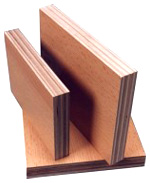
Class C plywood is the loudest of the three standard flame-spread ratings used on interior panels in North American building codes, yet the name trips up more than one specifier. People assume the letter tracks structural quality when it actually marks fire classification. This guide unpacks what class C plywood means, which panels carry it, how the rating applies indoors, and how to satisfy the inspector without guessing.
Building codes group interior surface finishes by flame-spread index (FSI). Class A panels fall at 0-25, class B at 26-75, and class C covers 76-200. Many standard interior plywood panels land in the class C range, which is perfectly legal for most rooms once the code allows a class C surface in that occupancy.
The letter C does not describe wood grain, veneer quality, or structural strength. It describes how far a flame travels across a panel’s surface during a standard tunnel test, measured against red oak and asbestos-cement board references. The index comes from an ASTM E84 test, and building codes adopt those numbers to control finishes in corridors, exits, and crowded spaces. Some imported panels carry an EN 13501-1 rating instead, so specifiers confirm which standard a certificate quotes before comparing classes.
The class number belongs to the surface finish and the tested construction together. A change in face veneer, coating, or panel thickness alters the test result, so a certificate matches one exact product line rather than all plywood from a factory. Buyers request the report for the precise panel they order, not a general brochure figure.
ASTM E84 reports a numeric index rather than a pass or fail. Grades classify that number into classes: class A at 25 or below, class B between 26 and 75, and class C between 76 and 200. A plain plywood panel often tests around 100 to 200, which puts many of them in class C before any treatment.
| Class | Flame-spread index | Common panels |
|---|---|---|
| Class A | 0-25 | Fire-retardant-treated plywood |
| Class B | 26-75 | Some premium hardwood panels |
| Class C | 76-200 | Standard interior plywood, many MDF boards |
Most interior-grade plywood surfaces qualify as class C without extra factory treatment. The test gives a defensible number to architects and inspectors, letting them compare surfaces against the code’s allowed finish for each space. A class C panel suits most ordinary rooms, offices, and shops; high-traffic corridors and exit routes often demand class B for the leading edges.
The tunnel test that produces a flame-spread index lights a sample panel horizontally in a long box, then measures how far the flame travels along the surface in a set time. Red oak benchmarks at 100 and inorganic board at 0, and the panel’s travel distance maps onto the index. The test reports other numbers too, such as smoke development, but the flame-spread figure drives the A, B, C class.
A plain wood surface ignites and spreads flame, which is why untreated plywood falls into the upper part of the scale. The C band at 76-200 catches standard panels, some decorative-faced boards, and many specialty surfaces. Panels with denser faces or factory-applied coatings sometimes land lower in the range, but buyers should treat the tested index as the fact rather than assume a finish improves it.
Code tables list the maximum flame-spread class allowed for each occupancy and location. In a typical office, corridor walls and room finishes often need class B, while general room surfaces accept class C. The inspector checks the finish in place, so buyers confirm the required class before ordering rather than guessing at the job site.
Wainscoting, shelving, display units, built-in seating, and acoustic wall panels in ordinary occupancy rooms use class C panels freely. Because these surfaces sit away from the fire exit path, the code accepts the standard interior rating. Even so, the project spec should list the surface’s class so everyone quotes the same product.
Stairways, exit corridors, and some assembly areas require the better class B surface, and certain high-risk occupancies demand class A outright. When the plan calls for class B, a plain class C panel fails inspection and forces costly replacement. Getting the class right at design stage beats ripping panels out later.
Volume buyers source class C panels with the same clear specification they use for any interior surface: thickness, face grade, bond, and the test certificate. The certificate matters more than the class letter alone, because the inspector checks the document against the panel in the building. Keep the report with the project file from the day the panels arrive.
Ask for the third-party flame-spread test report before production starts, confirm the stamp on delivered panels, and hold a sample for the inspector’s review. Mills that run standard interior panels often quote the class C index as part of the technical sheet, saving a special test order for most buyers. A written certificate also protects the buyer during a dispute.
Standard class C panels price lower than treated or exotic boards, and container volumes earn the steepest discounts. Lead time runs a few days for stock panels or several weeks for a fresh production batch, so buyers schedule the order around the approval date. Getting the certificate before finalizing the order prevents a last-minute substitution.
Fire-retardant-treated (FRT) plywood carries class A or class B numbers because the factory pressure-treats the veneers with fire-retardant chemicals. Standard class C plywood has no such treatment. The price gap is wide, so projects that only need class C save money while any project on a required exit path pays for the treated product.
FRT plywood stops surface flame spread and slows heat release, and it also resists ignition better during the early stage of a fire. Class C plywood burns as wood would, contributing to flame spread until the fire develops. The two products serve different risk levels, not different looks, so appearance rarely justifies paying for treated panels.
Because FRT panels cost noticeably more and often need special ordering, buyers match the class to the code requirement exactly. Asking the mill for the third-party test report confirms the rating of any panel and protects the whole order. A written certificate prevents surprise substitutions at delivery.
A rating only counts when a manufacturer or testing laboratory documents it. Panels marked for flame-spread classification carry a stamp or a certificate referencing the standard and the index number. For import orders, request the mill’s fire test report before production, because testing after shipment adds delays and cost.
Different regions label ratings differently. The EU uses the EN 13501-1 classification with letters like B-s1,d0 whereas the US uses the A, B, C flame-spread classes. A buyer exporting panels should convert the local class to the destination’s system with the mill, because writing class C on a EU order can mislead the receiving specifier.
These five questions come up repeatedly when specifiers confront a class C requirement, so here are the direct answers.
Yes where the occupancy’s code table allows a class C surface. It performs as ordinary interior plywood and suits standard rooms, shops, and offices that do not sit on an exit path.
No. The letter marks the flame-spread classification from a fire test, not the veneer grade or structural strength of the panel.
Ask for the third-party flame-spread test certificate or a product stamp showing the index number. Standard interior plywood commonly falls in the 76-200 index band.
Usually not. Exit routes and corridors typically demand class B or better in most codes, so confirm the specific table before ordering.
Most pressure-treated FRT panels reach class A (0-25), though the exact class depends on the treatment and the test report the mill provides.
Class C plywood serves thousands of standard interior surfaces, and it earns its place whenever the fire code allows a class C finish. Match the panel to the occupancy, keep the test certificate, and step up to treated panels for exits and high-risk zones. For buyers sourcing interior panels, a supplier such as HYY offers Commercial Plywood and MDF Board with test documentation, which helps the order pass review the first time.