Our Location
5th Floor, Huake Center, Lanshan District, Linyi City, Shandong Province, China

5th Floor, Huake Center, Lanshan District, Linyi City, Shandong Province, China

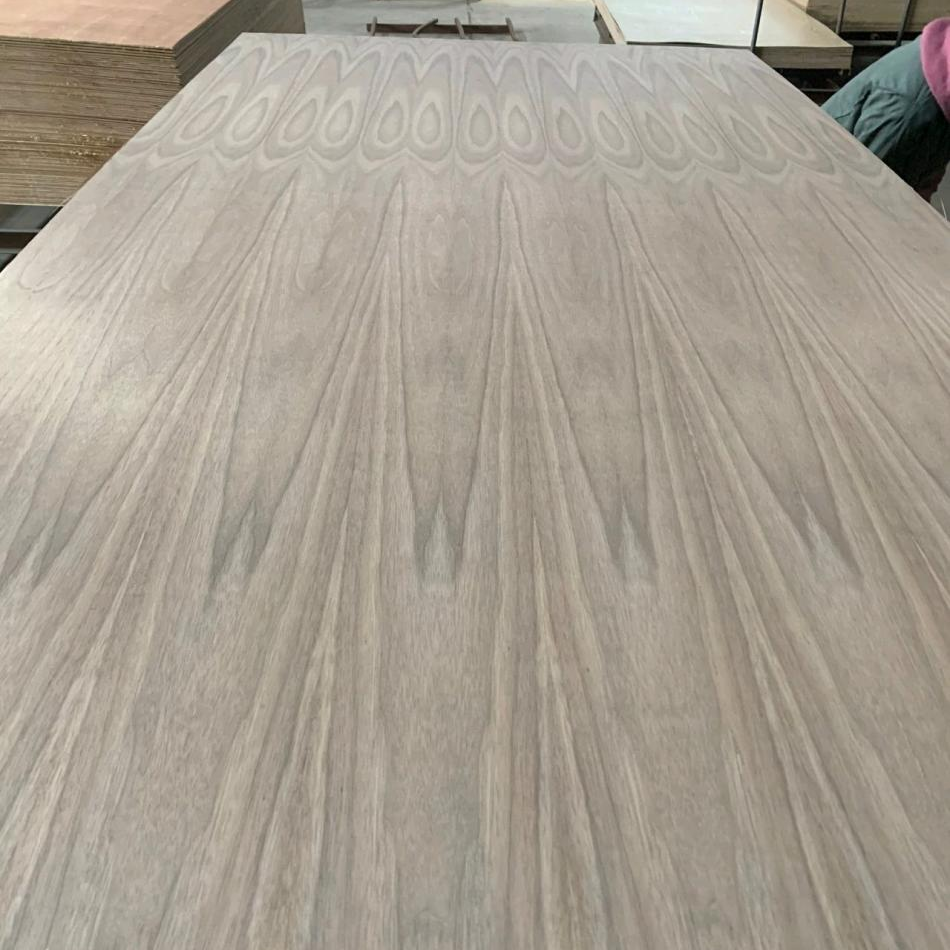
F W plywood reads as an abbreviation on stock sheets and order blanks, and buyers debate whether the letters mean film wrapped faces, phenolic film overlay, or a factory width designation. In practice, f w plywood nearly always describes a film-faced panel: plywood with a resin-impregnated paper overlay bonded to one or both faces for smooth, durable, moisture-resistant work. This guide clears up the confusion, explains how the film finishes work, and shows where FW panels earn their price on formwork, linings, and industrial boards.
Film-faced plywood starts as a standard plywood core, then takes a phenolic or melamine-impregnated paper film pressed onto the face under heat and pressure. The result resists abrasion, moisture, and repeated handling, and it stays smooth across builds. Thicknesses from 9 mm to 25 mm cover most concrete and industrial work.
The FW letters serve as shop-floor shorthand for film-faced, film-wrapped, or finished-wall stock depending on the region and the product line. The buyer pins down the real meaning by naming the film type, the face count, and the intended job on the order, because the same letters on two different quotes can describe different panels.
A complete FW line reads film-faced, phenolic, 150 gsm, two faces, 18 mm, poplar core, exterior bond. Each term answers a question the project asks, and the whole line prices once. Without every term, the quote leaves room for a cheaper film weight or a single face that changes the panel’s service life.
Phenolic film forms the heavy-duty layer used on concrete formwork, resisting moisture and stripping clean from the pour. Melamine film gives a lighter, glossier face suited to shelving and interior panels. Combined fabric and resin films add tear resistance for heavy handling, and each type changes the price and the service life.
| Film type | Best use | Relative price |
|---|---|---|
| Phenolic, 120 gsm | Concrete formwork | Mid |
| Phenolic, 200 gsm+ | Heavy-form re-use formwork | High |
| Melamine overlay | Shelving, interiors | Low to mid |
| Fabric-reinforced | High-impact linings | High |
FW panels come with one filmed face or two. A single-face panel keeps the film on the work side and the plain face behind, while a double-face panel suits handling from both sides. The order states the face count, because the film adds cost per side and the wrong count wastes materials on the job.
A film-faced panel builds from the same cross-laminated core as any plywood, then bonds the resin-impregnated paper film onto the face under heat and pressure. The core carries the structural load, and the film carries the surface duty of moisture, abrasion, and stripping. Thickness sits between 9 mm and 25 mm, with heavier panels handling deeper formwork and repeated pours.
Phenolic film works over poplar, softwood, and hardwood cores, with the core choice driving stiffness and re-use. A solid hardwood or birch core holds up across more pours, while a light poplar core weighs less and costs less but wears faster under heavy handling. The film and the core split the duties, so both lines sit on the specification.
| Core | Film bond | Re-use character |
|---|---|---|
| Poplar | Phenolic | Lighter, fewer heavy pours |
| Softwood | Phenolic | Standard site formwork |
| Birch or hardwood | Heavy phenolic | Long re-use on demanding jobs |
Water enters a panel through the cut edges faster than through the film faces, so factory edge sealing and site-applied edge paint protect the core. The seal and the film share the moisture fight, and a panel with strong film but bare edges fails early. Buyers order tight edge sealing when the formwork runs wet.
Concrete formwork drives most of the FW plywood market. The smooth film strips cleanly from the cured concrete, resists the alkali attack of wet cement, and survives several pours before the face wears. The panel repeats through a project, and its price pays off against the number of re-uses it survives.
A light film panel serves a few pours, while a heavy 200 gsm film on a solid core handles many more. Dividing the panel price by the number of usable pours gives the real cost per pour, and that figure decides whether the premium panel is worth the order. Formwork buyers keep a re-use log to compare panels honestly.
Edges absorb moisture faster than the filmed faces, so formwork panels carry a sealed or banded edge that stops water creeping into the core. The seal and the film work together: the film handles the face, and the edge sealing handles the cuts. Buyers request tight edge sealing when the pours run wet.
Film-faced stock goes far beyond formwork. Smooth film surfaces serve van linings, workshop benches, agricultural hoppers, hoardings, and industrial shelving where a clean, hard, washable board beats a bare face. The moisture resistance also suits damp warehouses and covered outdoor applications.
Light films fit indoor shelving and light lining, while heavy films handle abrasive and wet work. The film weight on the spec decides the resistance, so a buyer names the gsm figure rather than accepting a generic FW label. The heavier the film, the longer the face lasts and the higher the panel price. Standard 150 gsm serves most site pours, and the jump to 200 gsm suits projects that cycle the same forms many times before replacement.
The right film weight follows the date the panel will wear out, not the price tag. A panel retired after ten pours saves nothing from a 200 gsm film, while a heavy-form job wears out a light film long before the core does. Buyers count the expected pours on the drawing, then select the film that survives them without paying for a heavier face than the job uses.
Film-faced stock travels from the pour site into many dry-trade roles. The smooth film suits duct linings that need a clean washable surface, agricultural panels that take abrasion, and workshop tables that wipe down between jobs. The moisture resistance earns the film a place in damp warehouses and covered shelters where bare plywood would cup.
A colored film gives the face a uniform, branded look for hoardings, stage boxes, and retail displays. Contractors order the film color by the project and keep the panel structure standard underneath. The visible film finishes the board without paint, cutting site finishing hours and keeping the surface consistent across the whole order.
The letters alone never fix the order. The buyer states the core species, the film type, the film weight, and the face count, then matches the certificate to the delivered batch. A spec sheet that names all those fields turns FW shorthand into a precise product the factory can stamp and ship without guessing.
Confirm the face film on both sides where required, verify the core bond suits the moisture exposure, and ask for the density and thickness tolerance on the batch. Concrete work also benefits from a sample pour test on a small check panel before the full order commits. The check steps cost little and catch manufacturing drift early.
Buyers ask the same questions about FW plywood in every formwork and lining project, so these answers settle the decision.
In most orders FW means film-faced or film-wrapped plywood, a panel with a resin-impregnated film overlay on one or both faces. The exact type sits on the spec rather than in the abbreviation.
Yes, it is the standard formwork material. The smooth film strips cleanly from concrete, resists alkali, and re-uses across several pours when the film weight and edge sealing match the job.
Phenolic film gives the tough, moisture-resistant face used on formwork, while melamine overlay gives a lighter interior finish for shelving and cabinetry. The two films serve different jobs and price differently.
It depends on the film weight, core, and pour conditions. Light films serve a handful of pours, while heavy films on a solid core can handle dozens when edges stay sealed and the face stays clean.
Yes when it carries an exterior bond and sealed edges. The film resists moisture and weather, and the seal along cut edges keeps water out of the core.
FW plywood earns its letters through a practical product: a smooth, moisture-resistant film over a solid core that strips clean from concrete and takes industrial handling. Name the film type, weight, and face count, then let the certificate confirm the batch. For buyers running formwork and lining projects, a manufacturer such as HYY supplies Film Faced Plywood and Commercial Plywood with the film weight on the spec, which keeps repeat pours consistent from the first sheet.