Our Location
5th Floor, Huake Center, Lanshan District, Linyi City, Shandong Province, China

5th Floor, Huake Center, Lanshan District, Linyi City, Shandong Province, China

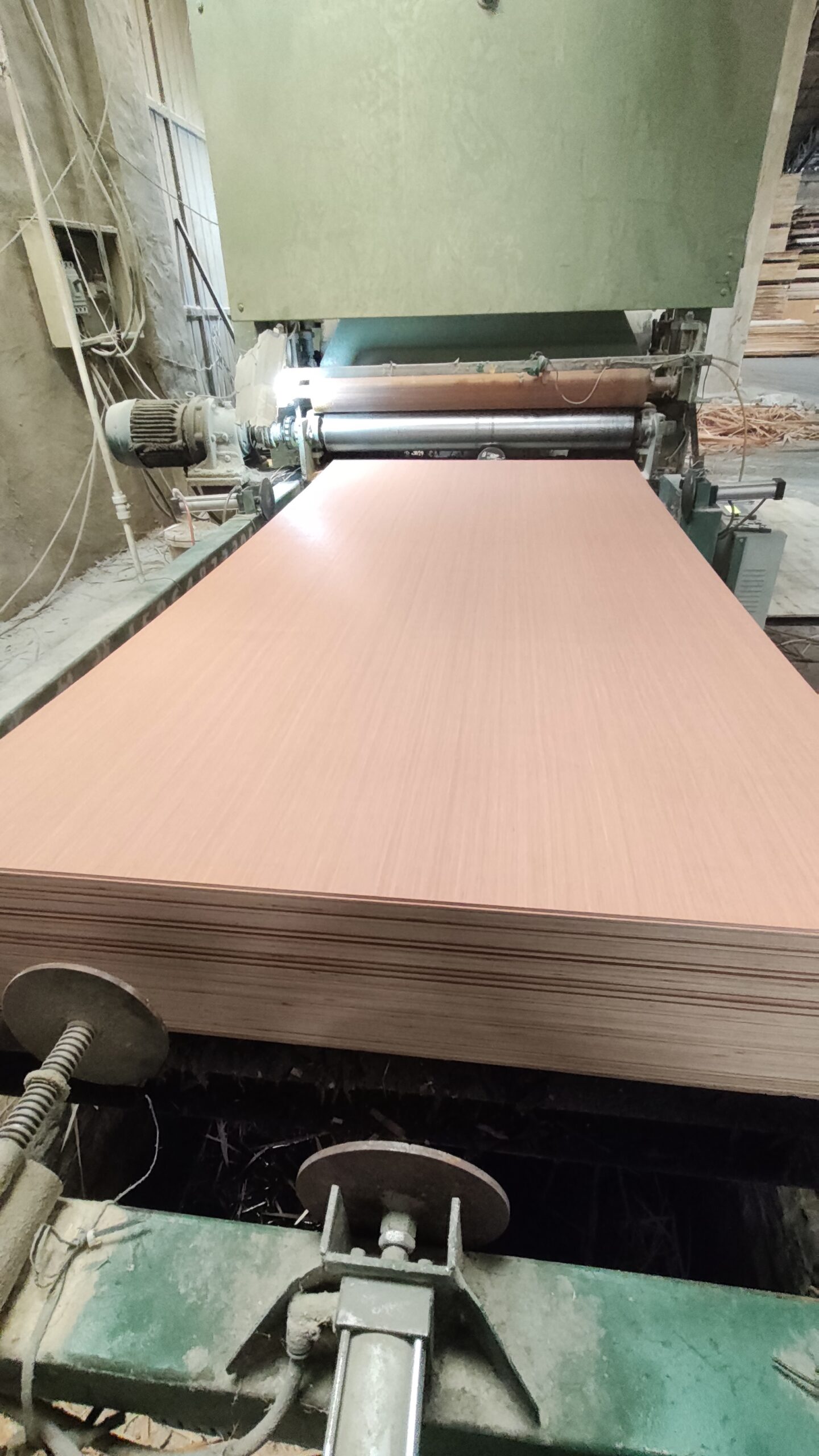
How does plywood burn is a question that mixes real fire behavior with a genuine code concern, because plywood is a wood product that ignites, chars, and releases heat like other timber. The honest answer is that standard plywood burns once the surface reaches ignition temperature, and fire-retardant-treated plywood slows that burn dramatically. This guide explains the combustion process, how fire tests classify plywood surfaces, where the risk sits in a build, and when a buyer must specify fire-retardant panels instead of standard stock.
All plywood is a combustible wood product, and its fire behavior follows the same physics as solid timber: heat drives out moisture, the surface reaches ignition, flames spread across the face, and a char layer forms that slows deeper burning. The grade, the glue, and the treatment change how fast that sequence runs, and the building code leans on that difference.
Fire attacks a plywood panel through a predictable series of stages, each driven by temperature. A buyer or designer who understands the sequence sees why surface class matters and why a thick panel keeps structure standing after a wall covering has burned away.
Heat from an ignition source first warms the panel and evaporates the moisture trapped in the veneers. In this stage the panel smokes and chars without open flame, and the time it spends here depends on thickness and density. Dense hardwood-faced panels resist ignition longer than light decorative faces, which is why the first minutes matter in an escape route.
Once the surface reaches around 200-250 degrees Celsius, gases released from the charred wood catch and sustain a flame. The flame then travels across the face, and the speed of that travel is the number the fire test records. Smooth sealed faces spread flame differently from bare rough-sawn ones, so the tested face grade is the one that counts.
| Stage | Temperature range | What happens |
|---|---|---|
| Heating | Below about 200 C | Moisture drives off, panel smokes |
| Ignition | About 200-250 C | Gases catch and sustain flame |
| Flame spread | Sustained | Fire travels across the face |
| Char layer | Ongoing | Char insulates the inner veneers |
As the outer veneers consume, a charcoal layer forms that shields the layers beneath and slows the burn rate. Plywood’s cross-laminated structure keeps this char layer coherent, which is why thick plywood shows predictable load behavior under fire for a set time. This predictable charring is the reason structural plywood appears in fire-resistance-rated assemblies.
Code compliance comes from a standardized tunnel test that measures how far and how fast a flame travels along a panel surface. The result converts to a flame-spread index, and that index maps to a class the building code accepts for a given occupancy and location.
Standard interior plywood tests around 100-200 on the flame-spread scale, commonly reaching class C. Fire-retardant-treated panels drop below 25 and reach class A, and lighter treatments sit in class B at 26-75. The lower the number, the slower the surface lets a fire travel, which is why corridors and exit paths require the better classes.
| Class | Flame-spread index | Typical plywood product |
|---|---|---|
| Class A | 0-25 | Fire-retardant-treated plywood |
| Class B | 26-75 | Light-treated premium panels |
| Class C | 76-200 | Standard interior plywood |
The tunnel test also reports smoke development and heat release, which some occupancies restrict alongside flame spread. Fire-retardant panels still produce smoke as they burn, so a smoke-sensitive corridor reviews that number on the full certificate. The buyer requests the complete sheet, not just the flame-spread class.
Plywood appears everywhere in interior work, and the fire risk depends on where the panel faces the room. A bare plywood wall in a corridor behaves very differently from the same panel hidden behind a ceiling void or a plasterboard skin, and the code separates those roles.
Walls, ceilings, and wainscots that face the occupied room carry the flame-spread duty because a fire can travel across them. Corridors, exit stairs, and assembly spaces set the tightest limits, and a single untreated panel there can fail an inspection. Specifiers choose the surface class by the room, not by habit.
Behind plasterboard, under floors, and inside cavities, plywood carries structure rather than exposed surface, so the flame-spread class matters less than its char behavior. The assembly rating, not the face class, governs these hidden panels. Buyers still check the glue and grade because moisture and load rule those roles.
Fire-retardant-treated plywood starts as a standard panel, then a pressure treatment forces fire-retardant chemistry into the veneers. The chemistry delays ignition and slows the release of flammable gases, which drops the flame-spread index and buys evacuation time in a real fire.
Pressure impregnation pushes the chemistry deep into the veneers, so the rating survives cutting, sanding, and fastening. Surface coatings protect only the face and fail wherever the panel gets cut or scratched. Buyers specify pressure-treated stock whenever the panel will be cut to size on site.
A fire-retardant claim needs the third-party test report behind it, naming the product line, the class, and the standard. The delivered panels carry a stamp and batch mark that tie to that report, and the buyer checks the match at delivery. A certificate and batch mismatch leaves the compliance file with a gap.
Fire-retardant plywood cuts, routes, and edge-bands close to standard stock because the treatment lies inside the veneers rather than on the surface. Drilling and fastening permissions stay similar, and the main site duty is protecting cut edges and drilled holes. A site-applied sealer on every cut edge restores the protection the factory build carried before installation.
The treated panel carries a clear price step above standard interior board, and the premium pays for the chemistry and the certification. The panel may also respond to humidity differently in very damp sites, so the bond class and edge sealing need to match the service. Buyers compare the premium against the code requirement, not against the raw panel price.
Fire behavior translates into decisions at the drawing board and the order desk. The designer names the class the room requires, the buyer orders panels that carry that class, and the inspector verifies the delivered batch against its certificate. The class is not a brand feature; it is a tested number.
Corridor linings, exit stair walls, auditorium and restaurant panels, and large retail soffits regularly require class B or better, and class A for the tightest exit paths and high-occupancy spaces. The wood finish stays visible while the tested surface meets the code. Standard decorative plywood in these rooms fails inspection, so the class drives the order.
The appointed contractor keeps the certificate and the batch record with the handover, so the inspector and the owner can trace every installed panel to its test report. The installed finish is checked against the drawing and the certificate, and a single unverified panel can reopen the file. The documentation duty runs from the order to the handover.
The site inspector checks that the installed surface matches the class on the drawings, that the panels carry the stamp from a matching batch, and that no untreated substitute replaced the specified line. Edge cuts left open, unsealed penetrations, and swapped stock are the common failures found in review. Preparing the certificate file before inspection keeps the finish approved in one visit.
Buyers ask the same questions about plywood in fire, and these answers cover the decisions that come up most often.
Yes. Plywood is a wood product and ignites and burns like timber once the surface reaches ignition temperature. Fire-retardant treatment slows that burn and lowers the flame-spread class but does not make the panel non-combustible.
Most standard interior plywood tests in the class C range on the flame-spread scale. Rooms that require class B or class A need treated plywood or a different surface.
In an assembly, plywood retains strength and supports load for a predictable time while the char layer forms, and that time appears in fire-resistance ratings for structural panels. The exact figure comes from the tested assembly, not from the panel alone.
Yes. The same water and foam methods work, and the charred panels are cut out and replaced after the fire. The char layer can remain as part of a stable structure in some post-fire assessments.
Standard plywood burns in a predictable sequence, and the building code converts that behavior into classes for exposed surfaces. Designers choose the right class for the room, and buyers confirm the certificate for treated stock. For fire-conscious interior orders, a manufacturer such as HYY supplies Film Faced Plywood and Commercial Plywood with the test records on the line, which lets specifiers close the compliance file early.