Our Location
5th Floor, Huake Center, Lanshan District, Linyi City, Shandong Province, China

5th Floor, Huake Center, Lanshan District, Linyi City, Shandong Province, China

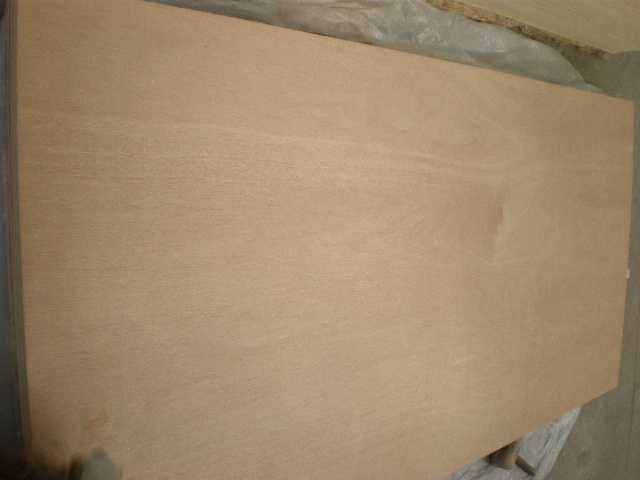
K plywood P30 names a few different things depending on which catalog the buyer reads, and that ambiguity is exactly why the code needs decoding before an order. In many suppliers it means a P30 grade or finish line within the K series; in others it marks a specific white overlaid or coated panel sold under a factory code. This guide unpacks what P30 usually denotes, how to confirm the real spec, and how to buy the correct panel instead of guessing at a code.
Codes like K plywood P30 come from factory order lines where abbreviations compress an entire specification into a few characters. The letters and numbers stand for something real on the grade sheet, and the buyer who asks for the full translation avoids ordering a decorative face when the job needed a film-faced panel.
The P in panel codes commonly stands for plywood, panel, or a paint-grade surface, and the 30 typically marks a finish weight, a grade step, or a production line number. Across the trade, P30 appears most often as a labeled finish step within a factory’s panel series rather than a universal standard.
A code such as K plywood P30 replaces a longer line that would read kiln-dried construction plywood with a P30 face finish or overlay. The full meaning, including the face grade and any coating, only exists on the factory’s spec sheet. Buyers treat the code as a reference number and request the translation before ordering volume.
Some exporters use P30 for a sanded white or paint-ready face, while others use it for a specific coating weight on a veneered panel. The same code can name different products in different mills, so the source of the code sets its meaning. The buyer names the mill and the catalog line, then reads the spec.
The numeric half of the code often tracks a finish weight, a coating pickup, or a production step rather than a thickness or grade. Buyers who see 30 should not assume a millimeter figure, because the code rarely stands for the panel size. The spec sheet translates the number before it reaches the purchase order.
| Interpretation | What it usually means | Typical use |
|---|---|---|
| P = finish stage | Sanded paint-ready face | Painted furniture and fit-out |
| P = overlay code | Coated face, film or paper | Formwork, wet linings |
| 30 = production line | Batch or line number | Traceability and ordering |
The same letters and numbers shift meaning across regions, so a buyer who read P30 in one catalog cannot assume the identical panel from another supplier. Importers manage this by asking each mill for its own key before mixing stock from two sources. The confirmation habit protects a mixed warehouse from a mismatched batch.
Confirming a P30 panel means pulling the full specification out of the supplier: face grade, coating or overlay, core construction, bond, thickness, and the standard the panel meets. The confirmation sheet, not the code, is the document an order should follow.
The buyer asks the supplier to read the full line aloud: surface finish, overlay type if any, core species, bond class, and standard. That reading converts the code into a usable product description and exposes mismatches while the order remains changeable. The spec sheet then travels with the purchase record.
A paint-ready P30 panel differs completely from a film-faced one, and the order line must state which one it buys. Paint-ready needs a smooth sanded face that accepts primer, while a coated panel brings its own moisture or release surface. The coating weight, the film color, and the face grade all sit on the spec, not in the code.
The core construction and the glue class decide where the panel lives, from furniture to formwork. The certificate names the core species and the bond, and the buyer checks both against the intended service. A decorative interior panel and a film-faced exterior panel can share a P30-style code while serving entirely different jobs.
Once the spec is confirmed, the panel typically serves one of two roles: a smooth paint-ready construction board for interior fit-out, or a coated overlay panel for moisture-resistant work. The role comes from the face treatment, not from the code itself.
In the paint-ready reading, the P30 panel undercoats and paints cleanly for furniture, cabinetry, and wall panelling. The smooth face takes primer evenly and the flat panel keeps the paint finish crisp. Fabricators use it where a sprayed or rolled finish has to look factory-smooth.
In the overlay reading, the panel carries a coated face suited to formwork, hoardings, or damp linings. The coating sheds concrete or stands up to moisture where a bare wood face fails. The coating weight on the spec decides how many pours or how much wet service the face survives.
Either reading of P30 lands commonly in cabinetry and interior fit-out, where the flat, stable panel builds carcasses, doors, and panels. The thick, void-resistant core and smooth face keep the finished cabinets square and clean. The buyer matches the face finish to the visible or hidden duty of each part.
Finish-grade panels arrive face-to-face in wrapped pallets, and the buyer checks the surfaces at delivery before storage. Scratches and scuffs matter more on a paint or overlay face than on a bare utility board, so the acceptance check looks at the visible surfaces closely. Storing finish panels flat and dry keeps the face ready for the finishing line as ordered.
The discipline for K series codes applies to every abbreviation-heavy order: never let a code carry a spec it never wrote. The buyer confirms each unknown term in writing, then freezes the order against the confirmed sheet.
Before any K series order, the buyer lists the unknowns the code hides and asks for each to be confirmed in writing. Face grade, finish, core, bond, thickness, and standard make a short list that fits on one line. That list converts the catalog shorthand into a real purchase specification.
A P30 line from one mill may not match a P30 from another, so comparing quotes on the code alone invites mismatches. The buyer compares the confirmed spec sheets instead, and settles the price on like-for-like product lines. This habit prevents the low quote that turns out to be a different panel.
The code remains useful as an order reference and a traceability marker once the spec is confirmed. The factory uses the code to pull the right stock, and the buyer uses it to reorder the same line. The code serves the warehouse and the buyer’s record, never as the definition of the panel.
Once a supplier translates a code, the buyer records the full line on the purchase order so the translation survives reorders and staff changes. A note beside the code that reads P30 = sanded paint-ready, poplar core, interior bond turns a future order into a straight repeat. The record takes one line of text and saves an entire repeat of the confirmation conversation.
Buyers ask the same questions about P30 panel codes, and these answers cover the ones that come up most often.
P30 is a factory code that usually marks a finish stage or overlay line within a panel series. The exact meaning sits on the supplier’s spec sheet, so the buyer confirms it before ordering.
Not necessarily. The code can name a paint-ready face or a coated overlay depending on the mill. Only the confirmed spec sheet answers whether the panel carries a film.
Panel codes are factory order lines rather than universal standards, so each mill writes its own key. The same letters can mean different products from different sources.
Ask the supplier to read the full spec aloud, confirm the face, core, bond, thickness, and standard in writing, then freeze the order against that sheet rather than against the code.
Only after comparing the confirmed specification sheets. Pricing a code alone risks buying a different panel for the low quote, so compare the face, core, and bond lines.
K plywood P30 is a factory code that needs its spec sheet to mean anything, and the buyer who confirms the face, core, bond, and thickness orders the right panel instead of gambling on a label. For panel stock with confirmed specifications, a manufacturer such as HYY produces Commercial Plywood and Melamine Plywood with the full line on the certificate, ready to compare like for like.