Our Location
5th Floor, Huake Center, Lanshan District, Linyi City, Shandong Province, China

5th Floor, Huake Center, Lanshan District, Linyi City, Shandong Province, China

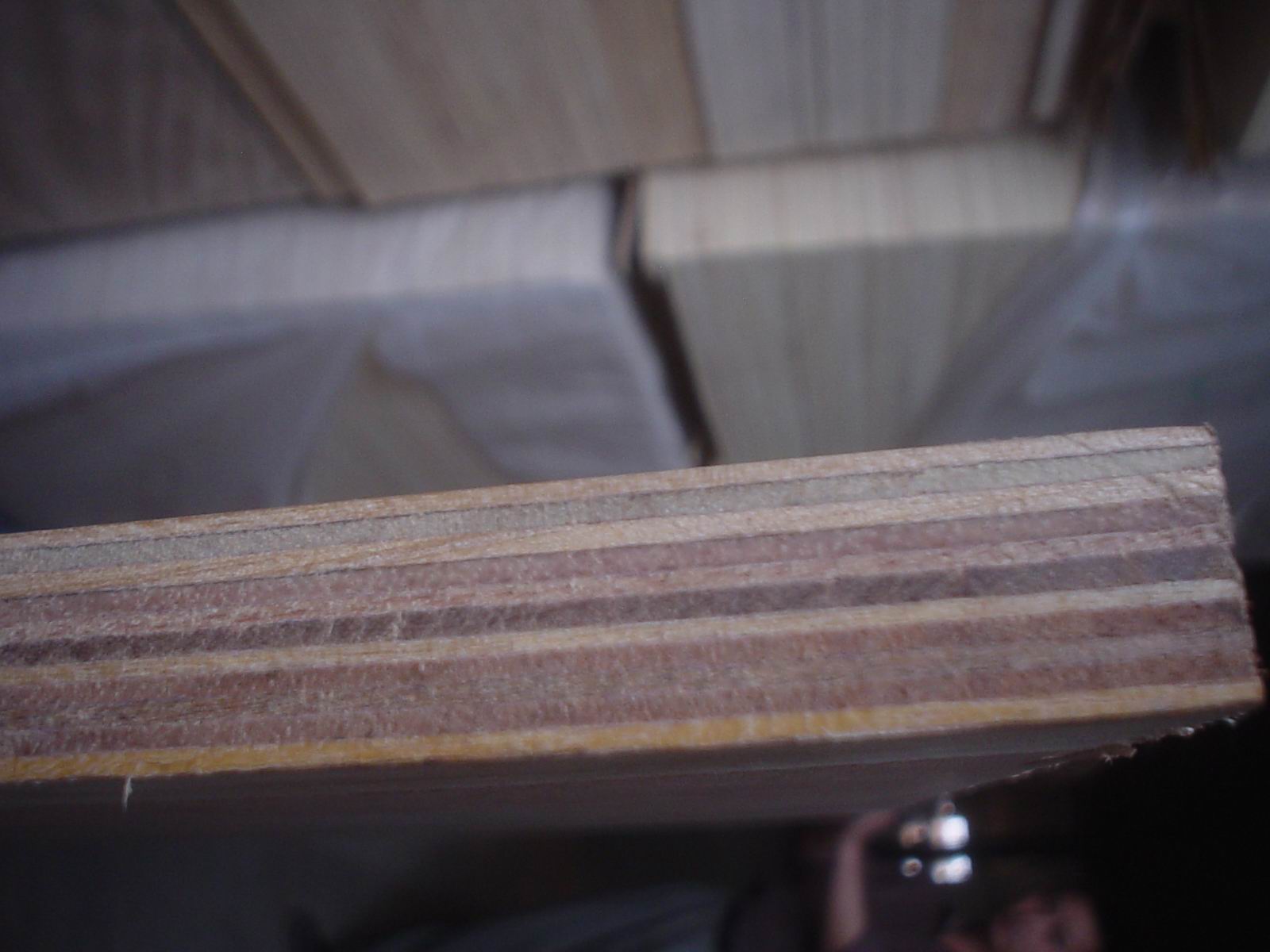
Plywood at Home Depot covers the wide range of sheets the retailer stocks for construction, cabinetry, and craft work, from standard sanded pine to treated exterior panels. Home Depot sells plywood by the full sheet in-store and offers cutting, delivery, and project panels, so a homeowner or contractor buys the panel and the service in one trip. This guide explains what plywood Home Depot carries, how the grades differ, how to buy and cut it at the store, and how to get the best panel for the job.
Home Depot is one of the largest plywood sellers in North America, and its racks hold everything from cheap sheathing to furniture-grade hardwood veneers. Knowing the aisle saves a trip and helps the buyer pick the right sheet the first time.
Home Depot stocks plywood across three broad uses: structural sheathing, interior sanded panels, and specialty hardwood-faced sheets. The aisle groups them so a buyer can compare face, thickness, and price side by side.
Sheathing and subfloor grades deck roofs, floors, and walls, sized in common thicknesses and sold in full 4×8 sheets. The panels carry the structure and take nails and screws. The store keeps them near the framing lumber.
Sanded plywood with a clean face suits shelving, cabinets, and furniture, and Home Depot cuts it to size on the panel saw for a small fee. The smooth face takes paint, stain, or a clear coat. The project panel is the home-cabinet favourite.
Veneered panels in oak, birch, maple, and other species, along with marine and MDF-core options, cover furniture and wet-area work. The veneer gives the panel a furniture look. The specialty section holds the finer faces.
Pressure-treated and exterior-rated plywood handles ground contact and weather exposure, sold for outdoor decks, sheds, and structural wet use. The treatment resists rot and insects. The exterior panel belongs where moisture stays.
| Panel type | Common use | Face |
|---|---|---|
| Sheathing | Roof, wall, floor deck | Rough, structural |
| Sanded | Shelves, cabinets | Smooth, paintable |
| Hardwood-veneer | Furniture, doors | Oak, birch, maple |
| Treated exterior | Deck, shed, wet area | Weather-rated |
Home Depot labels plywood by grade, thickness, and sometimes the span rating, so the buyer reads the rack tag to match the panel to the job. The grade tells the face quality and the thickness tells the strength.
Panel grade stamps use letters for face and back quality, with an A face the cleanest and lower grades showing more patches and knots. The stamp also names the exposure durability. The buyer reads the stamp to know what the face will look like.
The store stocks 1/4, 1/2, 5/8, and 3/4 inch panels, called 6, 12, 15, and 18 mm in metric, with each thickness suiting a load and a span. The thicker panel carries more weight. The thickness follows the use, from drawer bottoms to subfloors.
Sanded grades have smooth, paintable faces on both sides, while sheathing grades carry a rougher face and a structural span rating. The smooth panel shows the finish, the rough one hides under a covering. The face grade decides where the panel belongs.
Buying plywood at the store involves the rack, the cutting service, and the load-out, and a little planning keeps the trip efficient. The store offers several services that save site work.
The building materials and lumber department holds the plywood racks, grouped by type and thickness, with the sheet size printed on the tag. Staff can point to the specialty panels. Knowing the aisle cuts the search time.
Home Depot cuts panels to size on the store saw, usually the first cut free and a small fee per cut after, so a buyer can have sheets broken down to fit a car or a project. The cut saves the maker a site breakdown. The service suits shelves and cabinet parts.
The store offers delivery for large orders and provides carts and load-out help, which matters when a full sheet is heavy and a car roof is low. The delivery saves handling a stack at home. The load-out keeps the sheets off the parking lot.
The buyer inspects each sheet for a warped edge, a damaged face, and the correct grade stamp before it goes on the cart. A flawed panel should be swapped at the rack. The check stops a bad sheet reaching the job.
Home Depot prices plywood by grade, thickness, and species, and its volume and cutting services add value beyond the shelf price. The buyer compares on the delivered, cut panel rather than the bare tag.
Sheathing grades cost least, sanded and treated panels sit in the middle, and hardwood-veneer sheets cost the most per unit. The thickness also moves the price up. The grade ladder explains the spread across the rack.
The store runs seasonal sales on sheathing and project panels, and bulk buys of whole stacks get a better unit rate. The buyer watches the sale cycle for a large project. The bulk price suits a deck or a shed build.
The panel saw and delivery services add value that a bare unit price misses, especially when the cut saves a site saw session and the delivery saves a truck rental. The services trim the total project cost. The buyer counts them in the comparison.
The panel a buyer brings home goes into structures, cabinets, and craft work, and the grade choice follows the project. The store’s range covers the common jobs.
Sanded plywood builds shelves, garage racks, and storage units that take paint and carry weight, with the store’s cut service sizing the parts. The smooth face finishes clean. The shelf project suits a first-time builder.
Hardwood-veneer and sanded panels form cabinet carcasses, doors, and furniture where the face shows, edged and finished for a solid look. The veneer gives the furniture piece its character. The cabinet build leans on the specialty faces.
Treated and exterior panels build decks, sheds, ramps, and play structures that face weather and ground contact. The rated panel resists the moisture. The outdoor build needs the exterior grade.
Thin sanded and birch panels serve jigs, templates, signs, and shop fixtures where a flat, machinable sheet matters. The panel cuts and drills cleanly. The craft work rewards the smooth face.
Home Depot suits many buyers, but a lumber yard or a specialty supplier may beat it on price or grade for certain jobs. The buyer weighs the convenience against the trade supply chain.
A lumber yard or mill sells plywood by the unit at contractor prices, often below retail, with a wider grade range and delivery on account. The trade channel suits volume buyers. The yard wins on price for whole builds.
A specialty supplier stocks marine, Baltic birch, and imported veneers that a big-box store may not carry, with expert grading advice. The specialty range covers the finer jobs. The supplier serves furniture and boat builders.
The big box wins on one-trip convenience, evening hours, cut-to-size service, and easy returns for the weekend builder. The store covers the everyday sheet and the quick repair. The convenience is worth the small premium for many buyers.
Buyers ask the same questions about plywood at Home Depot, and these answers cover the ones that come up most often.
Yes. Home Depot stocks sheathing, sanded, hardwood-veneer, marine, MDF-core, and treated plywood in common thicknesses, sold by the full sheet in the lumber department.
Yes, most stores cut panels on the panel saw, with the first cut typically free and a small fee for additional cuts. The service breaks sheets down to fit a car or a project.
It carries structural sheathing grades, sanded project panels, hardwood-veneer sheets, marine and MDF-core options, and pressure-treated exterior panels, labeled by grade and thickness on the rack tag.
The panels suit their labeled use, and the buyer should inspect each sheet for grade, thickness, and face condition before purchase. For a specific face or species, a specialty supplier may offer more choice.
Sheathing grades cost least, sanded and treated panels sit mid-range, and hardwood-veneer sheets cost most per unit. Prices vary by thickness, species, and sale cycle, so the buyer checks the current tag.
Plywood at Home Depot spans sheathing, sanded, veneered, and treated panels, with cutting and delivery services that help the buyer bring home the right sheet. Read the grade stamp, match the thickness to the load, and inspect before buying. For a consistent supply of panels behind the build, a manufacturer such as HYY supplies Commercial Plywood, Melamine Plywood, and Film Faced Plywood with true edges and stable cores ready for any project.