Our Location
5th Floor, Huake Center, Lanshan District, Linyi City, Shandong Province, China

5th Floor, Huake Center, Lanshan District, Linyi City, Shandong Province, China

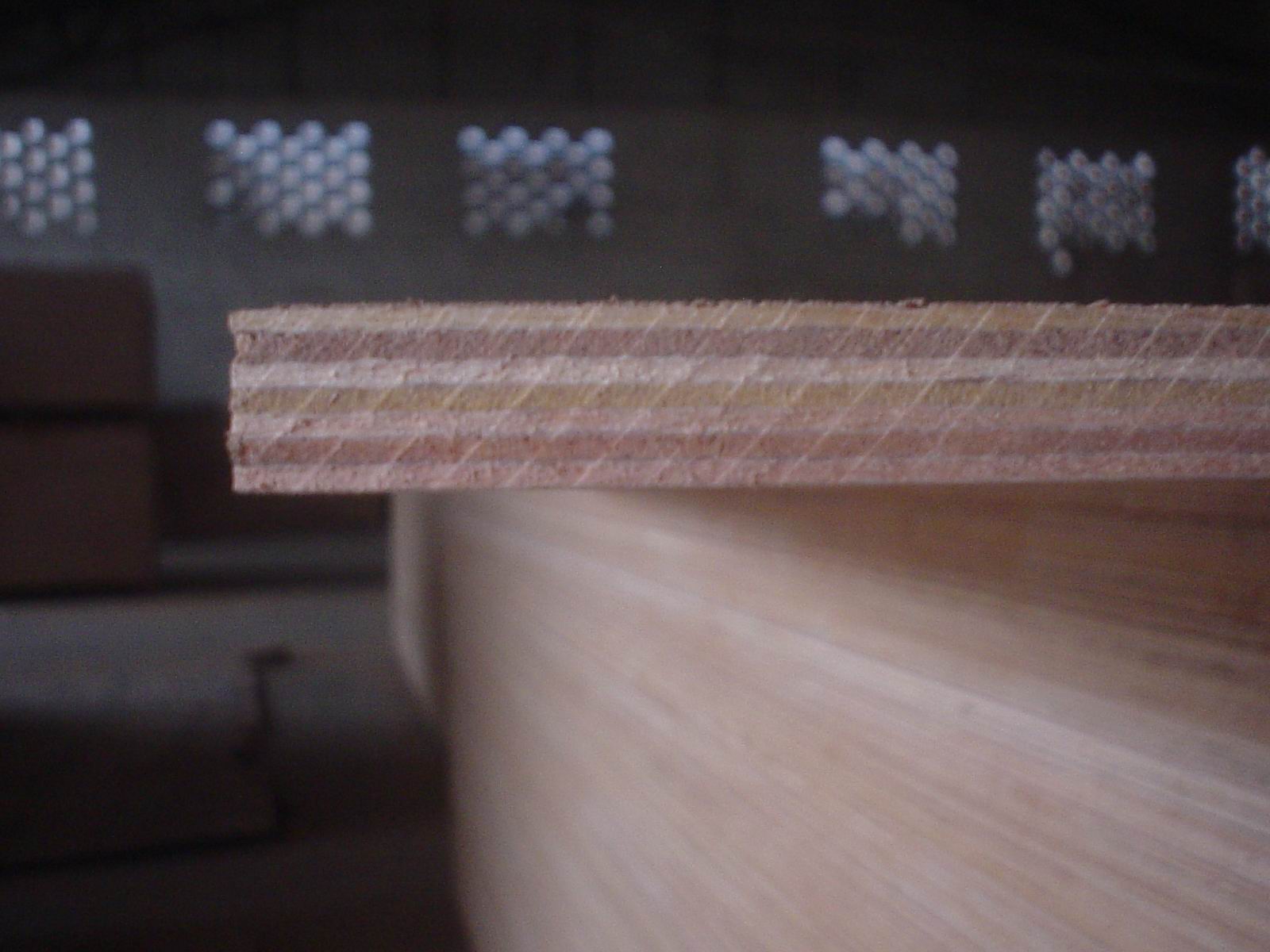
A plywood holder is a support, rack, or bracket that stores, displays, or carries plywood sheets and panels, keeping them upright, flat, or off the floor. The name covers a spread of products: a sheet storage rack in a workshop, a wall bracket that holds one panel for a display, a cutting guide that holds plywood steady on a bench, and a stand that cradles boards during sanding. This guide explains the types of plywood holder, where each one works, and how to pick or build one that protects the panels.
Plywood warps, chips, and takes moisture damage when it sits badly, so a holder earns its place in any workshop or store by keeping sheets flat and off the ground. The right holder also speeds the work by holding a panel exactly where the maker needs it.
A holder protects the sheets and organises the space, whether the job is storing stock or holding a panel during a cut. The three benefits are flatness, access, and safety.
Plywood stored leaning against a damp wall or lying on a floor takes on moisture, warps, and stains its face. A holder lifts the sheets onto a rack or a rack on castors so air moves around them. The panel stays flat and clean until it is needed.
A sheet rack arranges stock by size and grade so the maker pulls the right panel without digging through a pile. The holder turns a loose stack into an indexed store. The organised rack saves time on every job.
Lifting a sheet off a flat pile strains the back, while a rack at working height lets the maker slide a panel out in a controlled way. The holder reduces the awkward bend and the risk of a sheet falling. The safe access keeps the stock and the worker intact.
| Holder type | Stores/holds | Best for |
|---|---|---|
| Vertical sheet rack | Many full sheets | Workshop stock |
| Horizontal panel rack | Sheets laid flat | Veneer, finished panels |
| Display bracket | One panel on a wall | Sales, samples |
| Cutting stand | One panel to cut | Saw and router work |
Holders split by the job they do: storing many sheets, displaying a single board, or holding a panel steady for a cut. Each design answers a different problem in the shop.
A vertical rack holds full sheets on edge in bays, so the maker flips through them like files and slides one out at a time. The bays keep the panels apart and the weight on the floor. The rack suits a workshop that stores many sheets.
A horizontal rack lays sheets flat on rails above the floor, keeping the stock off the ground where moisture and dirt collect. The flat position suits veneered and prefinished panels that must not bend. The rack shelters the good faces.
A wall bracket or channel holds a single plywood panel for display in a shop or showroom, tilting it to show the face. The holder takes the weight into the wall and frees the floor. The display shows the panel sample at eye level.
A cutting stand or trestle set holds a sheet at a comfortable height while the maker saws or routes, supporting the panel on both sides of the blade. The stand keeps the cut clean and the blade clear. The holder turns a clumsy floor cut into a controlled one.
The right holder matches the number of sheets, the space, and the way the panels get used. Two people may share the same stock but need different holders.
A home shop stores a few sheets and needs a compact rack, while a trade store holds dozens and needs a bay system with room to walk. The available floor and wall space decides the format. The capacity should match the regular stock, not one oversized buy.
Vertical racks save floor space and suit square-cut sheets, while horizontal racks protect delicate faces and stop long panels bending. The choice follows the panel type and the room. The maker picks the position that fits the stock and the space.
A mobile rack on castors rolls the whole stock to the bench or out of the way against a wall, suiting a shop that changes layout. The castors carry the heavy load so the maker does not. The mobile holder flexes to the job.
The rack must carry the weight of a full load of 18 mm sheets, so the builder sizes the rails, the frame, and the castors to the real weight with margin. An under-built rack sags or collapses under a heavy pile. The load rating is the first spec to check.
Many makers build their own holder from plywood and timber because the design is simple and the cost is low. The build follows a few clear steps.
A basic vertical rack uses two side frames joined by sloped rails that separate the sheets, with the whole unit on a base or castors. The sloped rails let each sheet lean back safely. The plan scales from a few sheets to a full bay run.
The rails and supports that touch the panel get a felt, rubber, or rounded cover so they do not mark the face or edge. The soft contact protects the veneer. The covered rail keeps the good side clean.
The rack should fix to the wall or stand stable on the floor, and a strap or a stop keeps sheets from tipping forward. The securing step stops a rack load from toppling. The stable rack protects both stock and worker.
Labels mark each bay by size and grade, and stops keep the sheets from sliding through the back. The labels speed the pick and the stops hold the stock. The finished rack works like a proper store.
Small supports and fixtures turn a plain surface into a working holder for cutting and assembly, and they multiply the usefulness of a bench. These add-ons suit the maker who works alone.
A cutting guide holds a straight edge on the panel so the saw follows a clean line, and stop blocks register the sheet in the same place for repeat cuts. The guide keeps cuts square. The stops keep a run of parts identical.
Bench dogs and hold-down clamps pin a plywood panel to the bench so it stays put under the router or sander. The hold-down frees both hands for the tool. The dogs suit a bench with a hole grid.
A pair of folding panel stands holds a sheet on edge for sanding, edging, or routing the rim without the maker bending over the floor. The stands raise the work to a comfortable height. The pair takes down flat for storage.
A holder that stays tight and clean keeps protecting the stock for years, and the upkeep is little. The checks follow the moving parts and the contact points.
The maker checks the rails, the joints, and the castors for looseness or cracking under load, tightening or replacing before a heavy sheet goes on. A failing rail drops a whole bay of sheets. The check keeps the rack sound.
Dust and grit on the rails scratch the panel faces as sheets slide in and out, so the maker wipes the contact points clean and replaces worn felt. The clean contact protects the veneer. The wipe takes seconds and saves a face.
Worn castors, split rails, and tired covers swap out one part at a time, so the holder need not be rebuilt when a single component fails. The modular repair extends the rack’s life. The spare part is cheaper than a new holder.
Buyers ask the same questions about plywood holders, and these answers cover the ones that come up most often.
A plywood holder stores, displays, or supports plywood sheets, keeping them flat and off the floor or holding one panel steady for a cut. Vertical racks, horizontal racks, wall brackets, and cutting stands all count as holders.
Store them flat on rails or on edge in a vertical rack, off the ground and away from damp walls, so air moves around them and the faces stay clean. Never lean sheets against a damp surface.
Yes, a simple vertical rack from plywood and timber rails on castors stores a full sheet load, and the plan scales to the space. Add soft covers on the contact rails to protect the faces.
Use a cutting stand or a pair of trestle stands at working height, with a straight-edge guide and stop blocks. The stand supports the panel on both sides of the blade for a clean cut.
It depends on the build: a light home rack handles a few sheets, while a trade rack sizes its rails and castors to a full load of 18 mm panels. Always check the load rating against the real stock weight.
A plywood holder keeps sheets flat, dry, and easy to reach, whether it stores a full bay of stock or holds one panel for a cut. Choose the format for the space and the load, protect the contact points, and keep the rack tight. For panels that store and hold their shape, a manufacturer such as HYY supplies Commercial Plywood and Film Faced Plywood with flat, stable cores that stay true in any rack.