Our Location
5th Floor, Huake Center, Lanshan District, Linyi City, Shandong Province, China

5th Floor, Huake Center, Lanshan District, Linyi City, Shandong Province, China

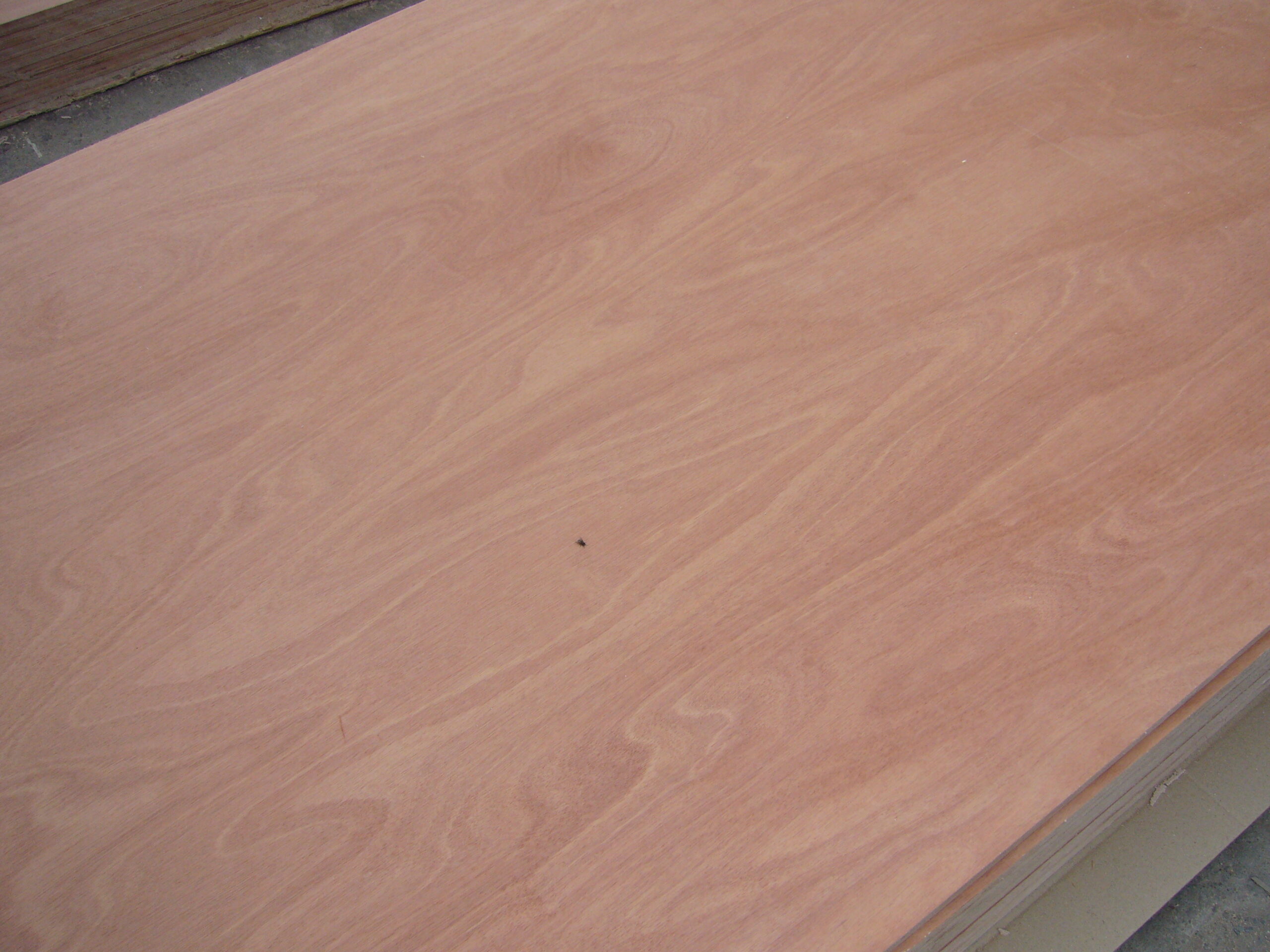
A plywood carrier is the hand tool or vehicle rig that makes moving full 2440 x 1220 mm sheets safe and easy. Whether the user lifts panels by hand around a workshop or loads them onto a truck, a plywood carrier spreads the grip and stops the sheet from slipping and cutting the hands. This guide explains the ways plywood is carried, which carrier suits which job, and the handling technique that protects both the panel and the person.
Full sheets of plywood are heavy, awkward, and sharp-edged, and carrying one alone without a proper grip ends in dropped panels or damaged hands. A carrier solves the problem by giving the sheet a handle, or by supporting it on wheels, so one or two people move it cleanly across a floor or between workstations.
The biggest sheet size, roughly 2450 mm long and 12-25 mm thick, overweights a one-hand grip and tempts the user to curl an arm around the end. A carrier converts the sheet into a balanced lift with the weight spread across padded jaws or rollers. The tool removes most of the effort and all of the hand damage.
A 4×8 sheet of 18 mm plywood weighs around 25-30 kg, and the weight sits at the middle while the user grips the edges. Lifting that by hand pulls the arms wide and stresses the lower back. A carrier brings the weight into a vertical centerline the user can control.
Workshops, joinery floors, and timber yards move dozens of sheets a day, and the carrier pays for itself in fewer dropped panels and finishes the day before fatigue. Furniture makers, stagehands, and store staff also use them when a sheet has to travel across a room or into a van. The carrier is the difference between a professional move and a wrestling match.
| Carrier type | Best job | Who uses it |
|---|---|---|
| Hand clamp carrier | Carrying one sheet | Workshop, site crew |
| Sheet trolley | Moving many sheets | Timber yard, warehouse |
| Panel cart / A-frame | Transporting stacks | Joinery, delivery |
| Suction lifter | Large or glassy panels | Display, glazing |
Carriers split into hand tools and wheeled equipment, and the right pick follows the weight, the distance, and how many sheets the job moves. A single-sheet job needs a clamp; a warehouse needs a trolley.
A clamping handle grips the sheet edge with rubber-lined jaws and lifts the panel from the edge in one lever motion. The user carries the sheet at arm’s length with the weight near the body. Simple clamp carriers suit one sheet at a time and store flat in a drawer.
A two-wheeled sheet trolley leans the panel back under the user’s control, and an A-frame cart holds a stack of sheets on wheels for moving stock around a yard or shop floor. Both keep the panels standing rather than flat, so the user pushes rather than lifts. Gravity does the work and the wheels carry the weight.
Suction carriers hold smooth panels with cup grips and suit large display panels and glass-faced sheet goods that clamp carriers would mark. A vacuum lifter grips the face and lifts a heavy panel with a handle or a trolley. These tools protect the panel surface as well as the handler.
Match the carrier to the sheet size, the weight, and how often the job repeats. A clamp carrier suits occasional single-sheet moves; a repeated daily flow of stock justifies a trolley or an A-frame. The carrier should also turn the panel over and onto a bench without damage.
Carriers state a weight limit, and the buyer matches it to the heaviest sheet moved, not the average. A 30 kg carrier barely handles an 18 mm hardwood sheet with a margin, so a 40-50 kg model leaves headroom. The rating protects the tool from strain and the user from drops.
Rubber-lined jaws grip the sheet without crushing the veneer, and a good carrier adjusts to the exact sheet thickness. Hard metal jaws leave marks on painted faces, so the buyer checks the lining. A padded carrier protects the panel and lets the user drop the sheet onto a bench cleanly.
A sheet trolley lives on wheels, so the castors and the swivels decide how it handles doorways and door thresholds. Solid rubber wheels roll quietly on floors, and a front swivel keeps the long sheet maneuverable. The trolley steers the sheet past a car or through a doorway without dragging.
The tool only helps when the technique is right, and a sheet carrier works best with a stable body position and a clear path. The user keeps the load close, watches the feet, and lets the carrier do the mechanical work.
The user clamps the sheet near the balance point, stands close, and lifts with the legs while the carrier holds the panel vertical. The weight rides close to the body instead of out at arm’s length. The lift ends on a bench edge where the panel lands flat.
The panel leans back into the trolley seat, the user tilts the whole load onto the wheels, and pushes with a steady hand at the top. The path clears in front, and the sheet travels on the wheels rather than on the body. The trolley parks against the bench and the sheet slides off the seat.
Two people hand a large sheet by gripping opposite corners or using two carriers, keeping the panel vertical and the motion synchronized. The receiver takes the load before the giver releases. Communication keeps the drop-free pass simple.
Getting a sheet from the store to the job needs the same care as the workshop move, and a carrier turns a vehicle load into a controlled slide rather than a heave. The sheet rides flat and supported so it does not flex and crack on the way home.
A flat-bed trolley slides the panel onto a van floor at sill height, with the sheet lying flat across the cargo area. The panel rests on supports so it does not sag between load points. The load then straps down loosely enough not to dent the edges.
The word carrier also names the roof bars that carry plywood on top of a vehicle, where the sheets tie face-down on padded bars. Four-point strapping holds a stack flat against the roof rails. The load width dwarfs the car, so the driver checks the route and the tie-downs before moving.
Unloading reverses the push: the sheet slides back off the sill onto the trolley, then tips upright to stand. The receiving team takes the panel before the strap releases. The unload uses the same carrier that loaded it, keeping the sheet off the ground.
A carrier that stays clean and adjusted keeps working for years, and the maintenance is a few minutes per job. Rubber jaws and wheels wear, so the buyer inspects them on the same schedule as the rest of the kit.
Clamp carriers adjust to the panel thickness with a lever or a thread, and the user re-sets the jaws when the stock thickness changes. A tight grip without crushing the face is the correct setting. Periodic adjustment keeps the tool firm on every sheet.
The user checks the jaw rubber, the clamp mechanism, and the trolley wheels before each heavy job, replacing worn parts before they fail under load. A cracked jaw or a seized swivel turns a safe move into a drop. The check takes seconds and protects the expensive panel more than the tool.
Hand carriers hang on a wall or sit in a drawer, and trolleys park inside against the bench so wheels stay clear of the aisle. The tool stores within reach of the sheet rack. A carrier that stores close to the stock gets used instead of bypassed.
Buyers ask the same questions about moving plywood, and these answers cover the ones that come up most often.
Use a hand clamp carrier for a single sheet, a sheet trolley for moving several, and keep the panel vertical with the weight close to the body. Two people handle the largest sheets with two carriers or opposite corners.
Hand carriers and trolleys rate from roughly 30 kg up to sheet weights beyond 50 kg depending on the model. The buyer matches the rating to the heaviest panel moved, leaving margin for safety.
Yes with a clamping carrier or a sheet trolley, because the tool carries the weight and the user guides it. Carrying bare by hand is a two-person job and strains the back on full sheets.
Quality carriers use rubber-lined jaws that grip without marking, while bare metal jaws crush the veneer. The buyer chooses a padded model for finished or painted faces.
Clamp carriers run from cheap shop tools to professional levers, and trolleys and A-frame carts cost more with bigger capacity. The freight of a dropped sheet or an injured back exceeds any of them.
A plywood carrier turns a heavy, awkward sheet into a controlled lift, and the right tool matches the weight, the distance, and the number of sheets. Clamp carriers suit single panels, trolleys suit stock, and technique keeps the load safe. For panels worth carrying well, a manufacturer such as HYY supplies Commercial Plywood and MDF Board in flat, true sheets that handle cleanly on the bench.