Our Location
5th Floor, Huake Center, Lanshan District, Linyi City, Shandong Province, China

5th Floor, Huake Center, Lanshan District, Linyi City, Shandong Province, China

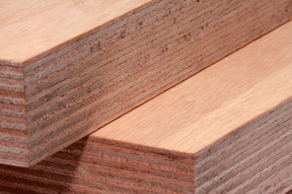
A plywood handle is the grip added to a sheet, panel, or plywood-built object so it can be carried, opened, or lifted without touching the raw edge. The handle can be a cut-out in the panel itself, a bolt-on metal or plastic grip, or a routed finger pull on a drawer or door. This guide explains the types of plywood handles, how they mount, which one suits carrying a heavy sheet versus a cabinet front, and how to fit a handle that stays tight.
Plywood is heavy and awkward, and a bare sheet offers nothing to hold, so a handle solves the carrying problem and also finishes furniture and joinery. The right handle spreads the load, protects the edges, and makes the panel friendly to move or open.
A handle gives the hand a proper grip and moves the load off the fragile panel edge, whether the job is carrying a full sheet or pulling open a cabinet door. The handle also becomes a design element on furniture and shop fittings.
A 2440 x 1220 mm sheet of 18 mm plywood weighs around 25-30 kg, and gripping the bare edge cuts the hands and strains the back. A handle lets the carrier hold the sheet upright and control the weight. The grip makes one-person carrying possible and safe.
On plywood cabinets and doors, a handle gives the fingers a pull point and takes wear away from the panel surface. The handle withstands the daily tug that would eventually soil or chip a bare edge. The pull point finishes the joinery.
Plywood drawers, tool trays, and storage boxes take a handle so the whole unit lifts as one. The grip spreads the load across the panel instead of a fingertip. The handle makes the box practical to carry laden.
| Handle type | Mounting | Best use |
|---|---|---|
| Cut-out grip | Routed hole in panel | Sheet carry, cases |
| Bolt-on metal | Screws through face | Drawers, doors |
| Bar and D handle | Two screw posts | Cabinets, cupboards |
| Recessed pull | Inserts into a rebate | Flush door fronts |
Handles split into ones cut from the panel and ones bolted or recessed into it, and each type suits a different job. The choice follows the load, the face finish, and how the object gets used.
A cut-out handle is a shaped hole routed through the panel, sized for the hand, that turns the sheet edge into a grip. The opening adds lightness and a clean look to furniture and cases. The routed grip needs a strong enough panel section around it to carry the load.
Metal bar, D, and pull handles bolt through the panel with two screw posts, giving a strong, replaceable grip on drawers and doors. The fixing carries the pull load into the panel face. The bolt-on handle suits curved and straight fronts alike.
A recessed pull sits in a routed rebate so the face stays almost flush, common on sliding doors and flush cabinet fronts. The pull takes the fingers without a protruding part. The flush look suits modern joinery.
A leather strap or fabric loop screwed to the panel makes a soft, quiet pull for light drawers and lids. The flexible loop folds flat and adds a crafted detail. The soft pull suits furniture where a metal bar feels too hard.
The right handle matches the weight it carries, the panel thickness, and the style of the object. Getting the three right keeps the grip secure and the look consistent.
A carrying handle for a full sheet needs a strong bolt-on grip or a generous cut-out, while a light drawer pull can be small. The load decides the fixing and the material. Overloading a small handle pulls it out of the panel.
A cut-out handle needs a panel thick enough to leave a solid bridge above and below the opening, so an 18 mm panel takes a wider grip than a 12 mm one. A bolt-on handle works through any thickness. The section around the cut-out carries the weight.
The handle finish should match the rest of the hardware, from brushed steel to black or brass. The style ties the handle to the joinery scheme. A mismatched handle stands out on a finished piece.
A cut-out measure a hand’s width and depth, while a bar handle opens enough for the fingers to close around it. The grip should let the hand hold without pinching. The size decides how comfortable the handle feels in use.
Fitting a handle cleanly keeps the grip tight and the panel face unmarked, whether the handle cuts from the panel or bolts on. The steps are quick with the right bit and a steady hand.
The maker marks the grip on the panel, drills a starter hole, and cuts the opening with a jigsaw or a router template, sanding the inside edges smooth. The opening stays sized to the hand. A template keeps every cut-out identical on a run of cases.
A bolt-on handle needs two holes drilled at the handle’s post spacing, with the bit sized to the screw and the holes kept square to the face. The screws thread into the panel or into a backing plate. A backing plate spreads the load on thin panels.
Thin plywood carrying a heavy pull needs a backing block, a metal plate, or a thicker doubler glued behind the fixing so the screws hold under load. The reinforcement stops the panel tearing at the holes. The backing turns a thin front into a solid mount.
After fitting, the maker opens and closes the door or lifts the load to check the handle seats tight with no rocking. A loose handle gets the screws nipped up or the backing checked. The test catches a weak fixing before the daily use does.
Moving full sheets is the hardest handle job, and a dedicated carrying handle turns a two-person lift into a controlled one-person carry. The design balances strength, balance, and cost.
A panel carrier is a clamping tool that grips the sheet edge and gives a lever handle, letting the user carry the board upright close to the body. The clamp spreads the grip across the edge. The carrier suits workshops and timber yards that move stock all day.
Some sheet goods come with carry cut-outs or can take routed hand holes at the balance point, letting two people lift the panel by the holes. The holes sit where the weight balances. The cut-in grip costs nothing but a few minutes with a router.
When no handle is fitted, two people grip the sheet at opposite corners and carry it upright, keeping the load balanced between them. The edge grip still marks the hands without gloves. The hand placement is the fallback when the carrier is not to hand.
The handle hardware should match the object’s fixings and inside a larger order, which also simplifies buying. A few points keep the hardware coherent.
The handle’s screws must suit the panel thickness and any backing behind it, so the buyer checks the screw length against the build. The wrong screw pokes through the far face or leaves too little thread. The fixing length keeps the handle tight without poking out.
On a set of cabinets, the same handle family across doors and drawers keeps the look uniform, and buying the range together cuts the unit price. The matched range ties the joinery. The handle order follows the door and drawer count.
Handles wear at the screw threads and the moving parts, and a replacement handle is a quick swap when the fixing stays sound. The buyer keeps the old holes as a reference. The replaceable handle extends the life of the panel behind it.
Buyers ask the same questions about plywood handles, and these answers cover the ones that come up most often.
A panel carrier clamp gives the strongest and safest grip for full sheets, holding the board upright close to the body. A routed carry hole also works when two people lift the panel together.
Bolt-on handles screw through the panel, with a backing plate on thin sheets to spread the load. Routed cut-out handles cut directly from the panel and need a solid bridge of wood around the opening.
Yes, with a jigsaw or router template, leaving enough panel above and below the opening to carry the load. Sand the cut edges and check the grip size against the hand.
Use screws long enough to bite the panel or a backing block, and check the fixing after fitting. A loose handle needs the screws tightened or a reinforcement added behind it.
Yes, handle families come in bar, D, and cup styles with matching finishes, so a whole kitchen or workshop can share the same look. Buying the range together keeps the unit price down.
A plywood handle gives the hand a grip on a heavy sheet or a cabinet front, and the right type matches the load, the thickness, and the style. Routed cut-outs suit cases, bolt-on grips suit doors, and panel carriers move full stocks. For panels that take a clean routed grip or a solid bolt-on fixing, a manufacturer such as HYY supplies Commercial Plywood and MDF Board with tight cores and true faces ready for handles and hardware.