Our Location
5th Floor, Huake Center, Lanshan District, Linyi City, Shandong Province, China

5th Floor, Huake Center, Lanshan District, Linyi City, Shandong Province, China

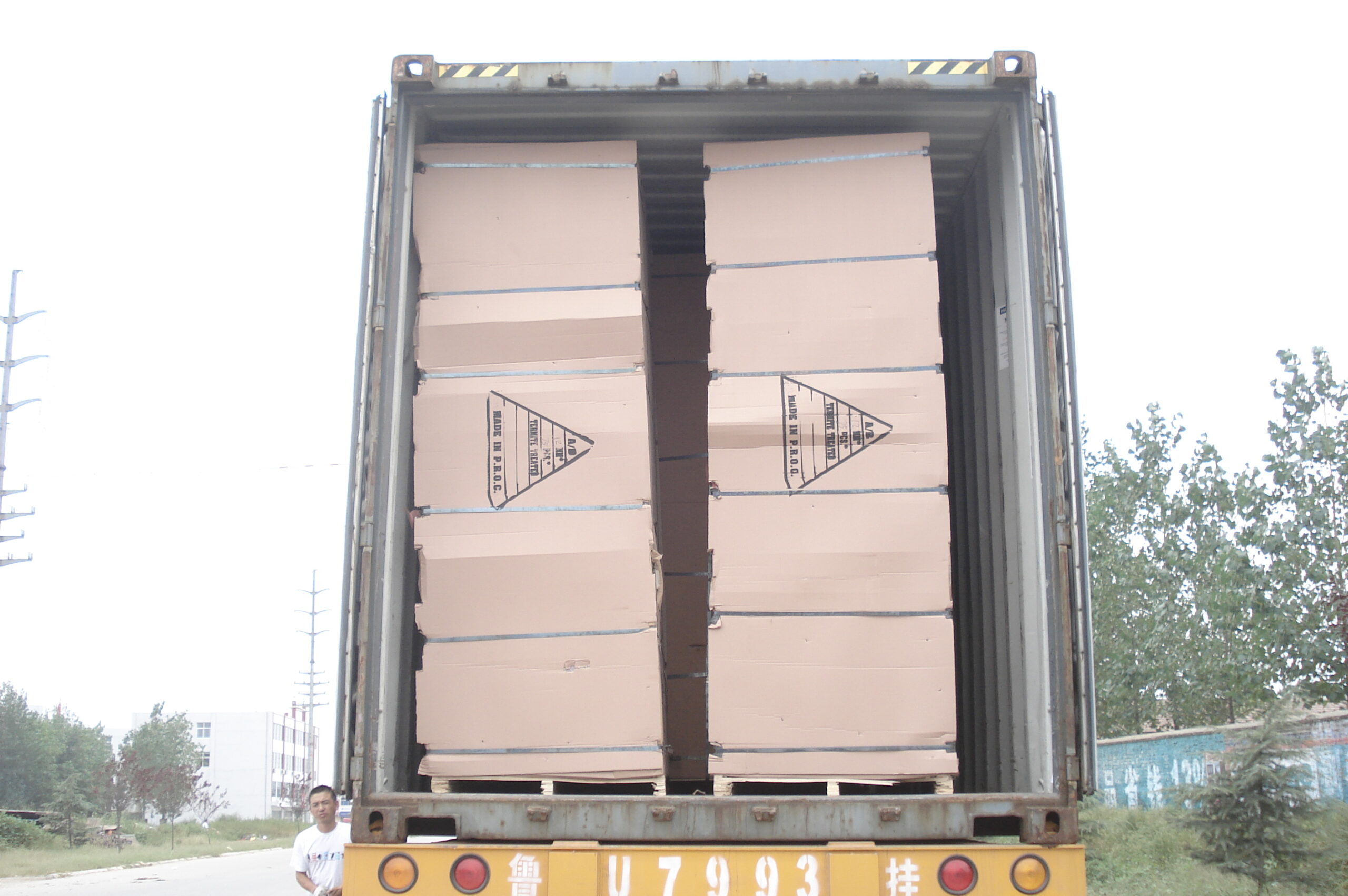
Plywood tips plywood buyers can use start with the grade, the thickness, and the bond class, because these three choices decide how the sheet performs and how long it lasts. A panel for a kitchen cabinet is not the same as a panel for a boat deck, and matching the sheet to the job saves money and trouble. This guide shares plywood tips plywood makers trust, covering selection, handling, cutting, finishing, and storage so every sheet earns its place.
A good sheet bought wrongly still fails, so these tips plywood users rely on span the whole life of the panel from the rack to the finished job.
The first decision is the sheet itself, and the grade, thickness, and bond class must match the exposure and the load.
Interior glue suits dry rooms, moisture-resistant glue suits damp areas, and exterior or marine glue suits outdoor or wet work. The glue class decides where the panel can go, and using the wrong class is the most common mistake.
A shelf spanning a wide gap takes eighteen millimetres or more, while a drawer back takes six or nine millimetres. The thickness carries the weight, so buying only the depth the span needs keeps cost down without weakening the part.
The face letter names the appearance, with A the smoothest for a clear finish and D allowing knots for a hidden sheet. The core should show no voids on the edge, and a solid core grips screws better than a voided one.
| Choice | What it decides | Typical pick |
|---|---|---|
| Bond class | Where the panel goes | Interior, MR, exterior |
| Thickness | Load and span | 6-25 mm |
| Face grade | Look and finish | A to D |
A full sheet is heavy and awkward, so how it moves from the yard to the job decides whether it arrives flat or cracked.
Two people carry a full sheet flat rather than dragging one corner, because an unsupported edge can crack or bow. A flat carry protects the face and the core alike.
A sheet on a roof rack or in a truck bed needs support along its full length, since a long unsupported overhang can snap the panel. Straps and bearers keep it straight.
Even an exterior-bonded sheet loses strength if it sits soaked for weeks, so keep the stack under cover before it reaches the job. A dry store protects the glue.
Clean cuts and sound fixings make the difference between a neat job and a sloppy one, and both start with sharp tools.
A sharp blade leaves a clean edge with little tear-out, while a dull blade splinters the face and needs more force. Measure from the square corner and subtract the saw kerf so the finished part stays to size.
Pre-drilling small holes stops the veneer from splintering when a screw goes in, especially near an edge. The pilot hole protects the sheet and holds the screw tighter.
Countersinking lets a screw head sit flush without lifting the face, so the surface stays smooth for paint or varnish. A flush head keeps the panel looking finished.
The finish protects the panel from wear and decides how it looks once the job is done, so match it to the face grade.
Light sanding smooths the face and removes any raised grain, so paint and varnish go on evenly and the finish lasts longer. A clean face takes a better coat.
Every cut edge exposes the core and lets moisture in, so sealing or taping it keeps the panel strong for years. The seal guards the bond, and the sheet lasts longer.
Paint covers knots and repairs, stain shows the grain, and clear varnish shows the natural look. The finish follows the face grade and the look the buyer wants.
A sheet that sits badly can warp or stain before it reaches the job, so storage matters as much as the purchase price.
Sheets store flat on even supports off the ground under cover, so the panel stays flat and dry until it reaches the job site. A leaning sheet can twist before it is ever used.
Moisture stains the face and weakens the core, so a dry stack protects the panel even if the bond class is exterior. The dry store protects the glue.
Older sheets get used first, so no panel sits long enough to absorb moisture or damage. The rotation keeps the stock sound and the money working.
A few slips cost more than a higher sheet price, and avoiding them keeps the project on budget and on schedule.
Using an interior sheet outdoors leads to delamination once rain reaches it, so the bond class must match the exposure. The exposure picks the glue before anything else.
A thin sheet spanning too far sags under a load, so the buyer checks the span table and picks the depth the job needs. The thickness carries the weight, not the face.
The stamp names the species, the face grade, the bond class, and the thickness, so ignoring it means buying a sheet blind. Read the stamp before paying.
A buyer picks the sheet by the job, and these common cases show how the choice works.
Kitchen cabinets use interior-bonded sheets with a smooth A or B face, twelve to eighteen millimetres thick, because the room stays dry and the face takes paint. The smooth face shows a clean finish.
Wardrobes use birch-faced or sanded sheets for visible doors and utility grades for hidden carcasses. The visible face shows the grain, and the hidden part saves money.
Shelves take twelve to eighteen millimetres so they do not sag under books or dishes, and work tops take eighteen millimetres or more for a solid surface. The span sets the depth.
Outdoor sheds use exterior or marine sheets with sealed edges, because rain and humidity test every glue line. The waterproof bond survives the season.
A finished piece lasts longer when the buyer looks after it, and a few habits protect the panel for years.
A soft cloth and mild soap remove dust and grease without scratching the face, so the finish stays intact. Harsh cleaners wear the paint or varnish away.
A worn paint or varnish coat lets moisture reach the face, so the buyer re-coats the surface before the bare wood shows. A fresh coat keeps the panel sealed.
Even an interior sheet stays sound when it stays dry, so the buyer wipes spills quickly and keeps the piece away from damp walls. The dry surface protects the core.
A small chip or a loose edge band is easy to fix with glue and filler, so the buyer handles it early before it spreads. A quick repair saves a panel.
A buyer sets a budget by matching the sheet to the job rather than buying the most expensive panel on the rack.
A visible face pays for a clean grade such as A or B, while a hidden carcass takes a cheaper grade such as C or D. The face grade sets the base price.
A shelf spanning a wide gap takes eighteen millimetres or more, while a drawer back takes six or nine millimetres. The depth follows the span.
The final cost includes delivery, cutting, and edge banding, so a buyer adds these to the sheet price before deciding.
The most useful plywood tips cover matching the bond class to the exposure, matching the thickness to the span, reading the grade stamp, carrying sheets flat, pre-drilling fixings, and sealing cut edges.
Choose an interior-bonded sheet with a smooth face grade such as A or B, twelve to eighteen millimetres thick, and finish it with paint or varnish. The grade suits the dry room.
Yes, with an exterior or marine bond class and sealed cut edges, because the waterproof glue resists weather while a sealed edge keeps moisture out of the core.
Yes, especially near an edge, because pre-drilling stops the veneer from splintering and lets the screw grip the core without splitting the face.
Store sheets flat on even supports off the ground under cover, keep them dry, and rotate stock so older sheets are used first. Flat storage keeps the panel straight.
Plywood tips plywood makers trust cover the whole life of the sheet, from choosing the grade and thickness to cutting, finishing, and storing it well. Match the panel to the exposure, carry it flat, pre-drill fixings, and seal every cut edge. For sheets with clean faces, dependable cores, and consistent thickness behind those projects, a manufacturer such as HYY supplies Commercial Plywood and Melamine Plywood in standard grades.