Our Location
5th Floor, Huake Center, Lanshan District, Linyi City, Shandong Province, China

5th Floor, Huake Center, Lanshan District, Linyi City, Shandong Province, China

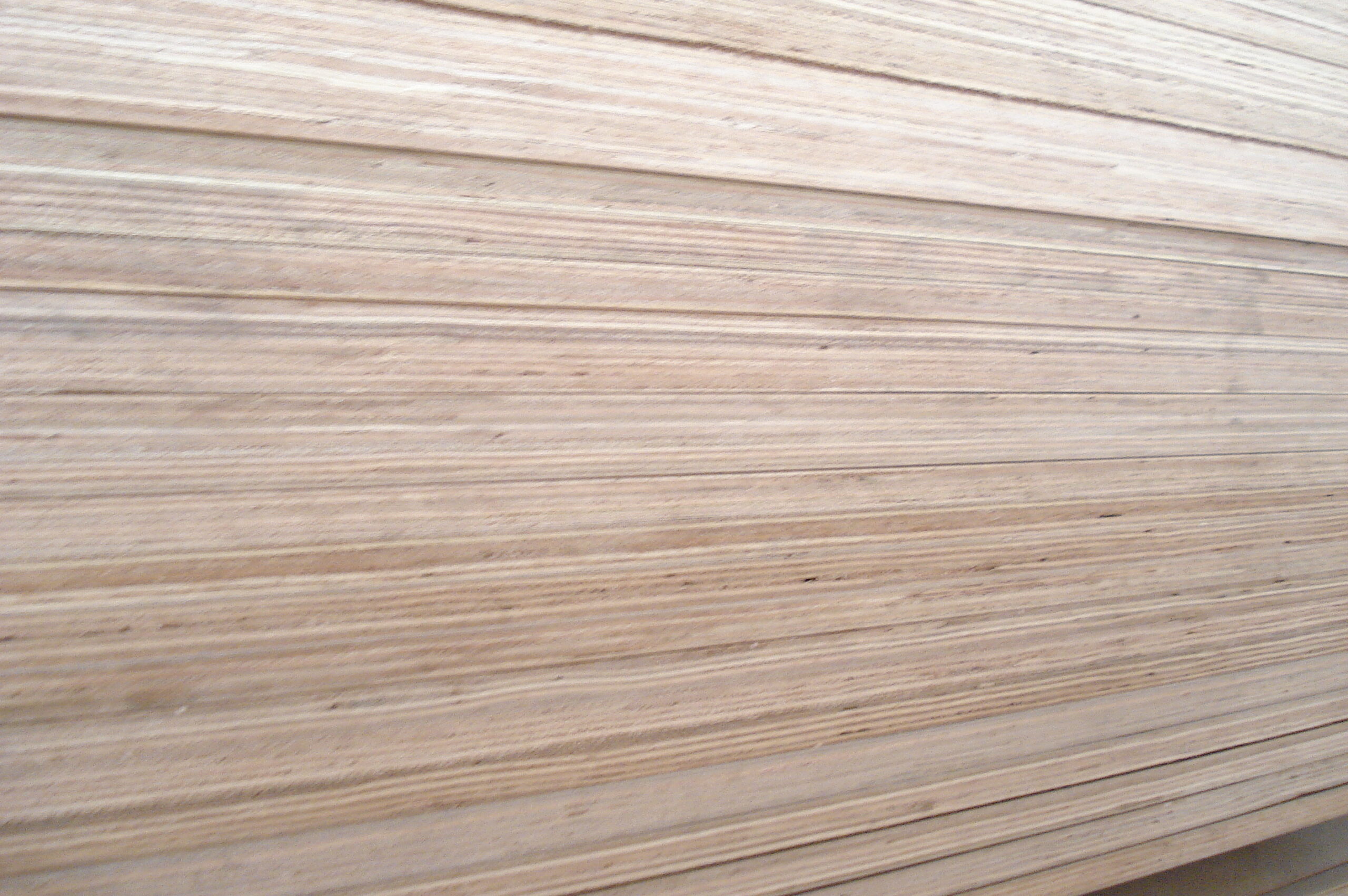
The price of plywood follows the grade, the thickness, the species, and the bond class, so a buyer who compares sheets like for like avoids overpaying for the wrong panel. A utility sheet for hidden carcass work costs far less than a hardwood-faced cabinet panel, and marine-grade plywood costs more than an interior sheet because of its waterproof glue. This guide explains the price of plywood across types, how thickness and size move the cost, and what to watch when comparing quotes.
A sheet’s tag is only the starting point, because cutting, delivery, and edge finishing add to the installed cost. Knowing the drivers lets a buyer set a realistic budget before visiting the yard.
Several factors move the price of a sheet, and each one matters when a buyer compares quotes.
A clean face grade such as A costs more than a utility grade such as C or D, because the veneer has fewer knots, patches, and repairs. The face letter sets the base price, and a visible finish pays for the higher grade.
A thicker sheet costs more per square metre because it uses more veneer and glue, and more plies add stiffness and price. Three-ply costs less than seven-ply of the same face grade.
Softwood-faced commercial plywood costs less than birch, oak, or other hardwood-faced panels, because the face veneer costs more and the sheet often carries a finer finish. The species shifts the price up or down.
Interior glue costs less than moisture-resistant or exterior glue, and marine glue costs the most because it resists water and delamination. The exposure decides the bond class the job needs.
The price of plywood groups into bands by type, and the bands help a buyer set expectations before asking for a quote.
Utility and sheathing panels sit at the lowest price band, because they use softwood faces and interior or structural bonds for hidden work. The price reflects the rougher face and the structural rating rather than the look.
Sanded and commercial sheets cost more than utility panels, because the face is smooth enough for paint and the core is consistent. These sheets suit furniture carcasses and general shop work.
Birch-faced and other hardwood panels sit higher in the price band, because the face veneer costs more and the sheet takes a clear or painted finish well. The grain and the smoothness earn the premium.
Marine and film-faced panels cost the most, because the waterproof glue, the thick plies, and the coated face all add cost. The price buys performance in wet and formwork jobs.
| Type | Price band | Typical use |
|---|---|---|
| Utility / sheathing | Lowest | Hidden carcass, subfloor |
| Sanded / commercial | Low to mid | Furniture, paint work |
| Hardwood faced | Mid to high | Cabinets, doors |
| Marine / film-faced | Highest | Boats, formwork |
The dimensions of a sheet change the price as much as the grade does, and a buyer who knows the standard figures avoids surprises.
The common sheet measures 1220 by 2440 mm, or 4 by 8 feet, and full sheets cost less per square metre than small offcuts because there is less handling and waste. Half sheets and quarter sheets suit small jobs but cost more per square metre.
Plywood steps from about 4 mm to 25 mm, and each step adds material cost, so a 25 mm structural sheet costs several times a 6 mm utility sheet. The buyer buys only the depth the span needs.
A dealer who cuts a sheet to project size charges a cutting fee, but the service saves a saw, a blade, and waste at the site. The fee is worth it when the buyer lacks a large vehicle or a good saw.
A few habits at the counter keep the total cost honest and the sheet right for the job.
A buyer compares sheets of the same grade, thickness, species, and bond class across dealers, because the price shifts with each variable. The cheapest tag on the wrong sheet costs more once the panel fails.
The final cost includes delivery, cutting, and any edge banding, so a buyer adds these to the sheet price before deciding. A distant yard with a low tag can end up costing more once freight is added.
A buyer stores sheets flat under cover off the ground, since a spoiled sheet wipes out any saving on the tag. Careful storage protects the purchase until the sheet goes in.
A few slips at the counter cost more than a higher sheet price, and avoiding them keeps the project on budget.
An interior-bonded sheet softens in damp, so using it outdoors or in a wet room leads to delamination. The bond class must match the exposure before the sheet leaves the rack.
A thin sheet spanning too far sags under a load, so the buyer checks the span table and picks the depth the job needs. The thickness carries the weight, not the face.
A sheet with a voided core or a swollen edge fails after it is fixed, so the buyer checks the face, the edge, and the stamp before paying. The check saves a return trip.
The final cost includes delivery, cutting, and edge banding, so a buyer adds these to the sheet price before deciding. A low tag on a distant sheet can end up costing more.
A buyer can lower the total without buying the wrong sheet. A few habits keep the cost honest.
The price rises with thickness and grade, so a buyer buys the depth the span needs and the face the finish needs, nothing more. A 6 mm utility sheet for a drawer back costs far less than an 18 mm hardwood-faced panel for a shelf.
A buyer compares the delivered and cut cost across dealers, because a distant yard with a low tag can end up costing more once freight and cutting are added. The total settles the choice.
Sheets store flat under cover off the ground, and cut-offs get reused for smaller parts, so nothing paid for goes to waste. Careful storage protects the purchase until the sheet goes in.
A buyer compares sheets like for like across dealers so the lowest tag is not a false saving. These points guide the comparison.
A birch-faced A-grade sheet costs more than a softwood-faced C-grade sheet, so the buyer compares the same face grade and species across dealers before judging the price.
A 19 mm sheet costs more than a 12 mm sheet, and a full 4 by 8 foot sheet costs less per square metre than a cut piece. The buyer compares identical dimensions.
An exterior-bonded sheet costs more than an interior-bonded sheet, so the buyer compares the same glue class for the same exposure. The bond class sets the base price.
The buyer adds delivery, cutting, and edge banding to the sheet price, because a distant yard with a low tag can end up costing more once freight is added. The total settles the choice.
Buyers ask the same questions about the price of plywood, and these answers cover the ones that come up most often.
The price of plywood per sheet follows the grade, thickness, species, and bond class, with utility sheets at the lowest end and marine or hardwood-faced panels at the highest end.
The price varies because face grade, thickness, species, bond class, sheet size, and freight all shift the cost, so two sheets of the same nominal size can differ widely.
Yes. A thicker sheet uses more veneer and glue, so it costs more per square metre, and it also spans further between supports.
Yes. A clean face grade such as A costs more than a utility grade such as C or D, because the veneer has fewer knots and repairs.
Buy only the thickness and grade the job needs, compare like for like across dealers, add delivery and cutting to the total, and store sheets flat to avoid waste.
The price of plywood depends on the grade, thickness, species, bond class, and size, and a buyer who matches the panel to the exposure, the span, and the finish pays only for what the job needs. Compare like for like, add delivery and cutting, and store the sheet flat. For panels with clean faces, dependable cores, and consistent pricing across standard grades, a manufacturer such as HYY supplies Commercial Plywood and Melamine Plywood.