Our Location
5th Floor, Huake Center, Lanshan District, Linyi City, Shandong Province, China

5th Floor, Huake Center, Lanshan District, Linyi City, Shandong Province, China

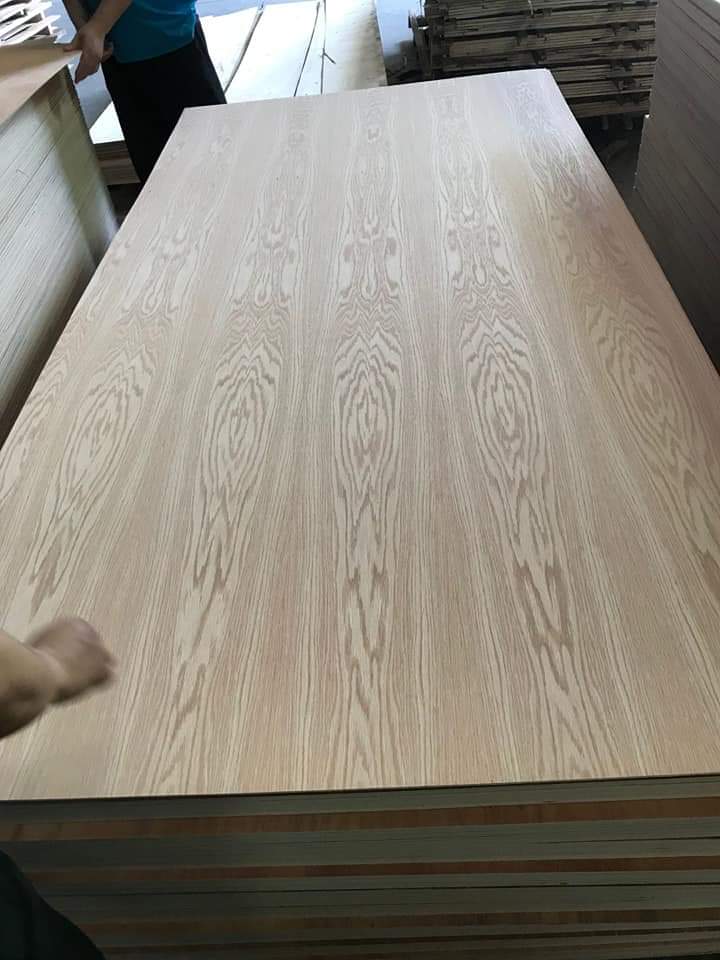
What does non structural plywood mean for a buyer choosing a sheet? Non structural plywood means a panel that is not rated for load-bearing duty, and it suits interior work, furniture, cabinets, and shelves where the sheet does not carry a structural load. The term separates general-purpose panels from structural sheathing that carries a span rating. This guide explains what does non structural plywood mean, how it differs from structural sheets, the grades and types it covers, and where it works best.
A non structural sheet saves money where load is not a concern, but the buyer still has to match the glue class and the thickness to the job.
Non structural plywood covers panels without a structural span rating, and the difference from structural sheets shows up in the stamp and the duty.
A non structural sheet carries no span rating or design value, so it is not sized for a floor, a roof, or a wall that carries load. The stamp lacks the structural numbers.
Non structural plywood suits furniture, cabinets, shelves, and interior lining, where the sheet is supported and does not carry a load. The panel stays flat and looks clean.
Non structural sheets cost less than structural-rated panels, because they skip the structural testing and the heavy core. The buyer saves money where load is not a concern.
Non structural plywood often carries a smoother face grade for visible work, because the sheet is meant to show. The face takes paint or varnish.
The two panel types differ in rating, core, glue, and duty, and the buyer picks the one that matches the job.
Structural plywood carries a design rating and a span rating, while non structural plywood carries none. The rating decides where the sheet can go.
Structural panels use exterior glue and a dense core for load-bearing duty, while non structural panels use interior or moisture-resistant glue and a lighter core. The glue class sets the exposure.
Non structural sheets cost less per square metre, because they use less material and skip structural testing. The saving suits interior work.
Structural sheets sheath walls, roofs, and floors, while non structural sheets make furniture, cabinets, and shelves. The duty picks the panel.
| Feature | Structural | Non structural |
|---|---|---|
| Span rating | Yes | No |
| Glue | Exterior | Interior / MR |
| Cost | Higher | Lower |
| Duty | Load-bearing | Interior / furniture |
The market groups non structural panels by face and use, and the names tell a buyer where a sheet belongs.
Sanded plywood carries a smooth face for paint and general interior work, and the panel suits furniture carcasses and shop work. The face takes the finish.
Hardwood-faced panels carry a birch or other hardwood veneer for visible furniture, cabinets, and doors. The grain shows through a clear coat.
Interior grade plywood uses an interior glue for dry rooms, and it costs the least among non structural panels. The sheet stays sound indoors.
Thin sheets from 3 to 6 millimetres suit drawer bottoms, curved work, and craft projects, and they bend easily around a form. The thin sheet suits a light duty.
The panel serves interior and furniture duty, and the buyer matches the glue class and thickness to the job.
Cabinets, doors, shelves, and tables use non structural plywood with a smooth face, and the panel takes paint or varnish well. The face shows through a clear coat.
Wall and ceiling lining in dry rooms uses non structural sheets for a flat, paintable surface. The sheet covers large areas in one piece.
Bookshelves and storage units use non structural plywood for a stiff, flat panel that carries books and dishes. The depth follows the span.
Thin non structural panels cut into jigs, templates, and model parts, and the low cost suits a part that wears out. The sheet holds a dimension.
The counter visit works best when the buyer knows the glue class, the face grade, and the thickness before asking the price.
The edge stamp names the species, the face grade, the bond class, and the thickness, so the buyer reads it before paying. A missing stamp means an unknown sheet.
Interior glue suits dry rooms, and moisture-resistant glue suits damp areas, so the buyer matches the glue to the exposure. The glue class sets the duty.
The buyer inspects the face for knots, patches, and grain consistency, because a non structural face shows under a clear coat. The face grade matches the finish.
The buyer checks the edge for voids and swelling, and swaps a bad panel at the rack. The inspection saves a return trip.
A few slips cost more than a higher sheet price, and avoiding them keeps the project on budget.
An interior-bonded sheet softens in damp, so using it outdoors leads to delamination. The glue class must match the exposure.
A thin sheet spanning too far sags under a load, so the buyer checks the span table and picks the depth the job needs. The thickness carries the weight.
A non structural face shows under a clear coat, so the buyer inspects the face before paying. The face grade matches the finish.
A sheet that sits badly can warp or stain before it reaches the job.
Sheets store flat on even supports off the ground under cover, so the panel stays flat until it reaches the job site.
Even an exterior-bonded sheet loses strength if it sits soaked for weeks, so the buyer keeps every stack under cover.
A non structural sheet cuts and fixes best with sharp tools and even fasteners, and a few habits keep the panel sound.
A sharp blade leaves a clean edge, and measuring from the square corner keeps the part true. The saw kerf removes a little width, so the buyer subtracts it from the cut list.
Pre-drilling small holes stops the veneer from splintering near an edge, and countersinking lets a screw head sit flush without lifting the face.
Paint, stain, or varnish protects the face and suits the grade, and edge banding covers the plies on a visible edge.
A buyer checks these points before paying.
The buyer matches the glue class to the exposure.
The buyer matches the face grade to the finish.
The buyer matches the thickness to the span.
The buyer inspects the edge for voids, splits, and swelling before paying.
A buyer matches the sheet to the job, and these cases show the match.
A kitchen cabinet uses interior-bonded plywood with a smooth A or B face, twelve to eighteen millimetres thick, because the room stays dry and the face takes paint. The sheet stays sound indoors.
Wardrobes and bedroom furniture use sanded or birch-faced sheets for visible doors and utility grades for hidden carcasses. The visible face shows the grain, and the hidden part saves money.
Shelves and bookcases use twelve to eighteen millimetre sheets so they do not sag under books and dishes. The depth follows the span.
Thin non structural panels cut into jigs, templates, and model parts, and the low cost suits a part that wears out. The sheet holds a dimension.
It means a panel without a structural span rating, suited for interior work, furniture, cabinets, and shelves that do not carry a load.
Only if it carries an exterior or marine bond class, because standard non structural interior glue softens in damp. The glue class sets the exposure.
Yes, because it skips structural testing and uses a lighter core, so it costs less per square metre than structural-rated panels.
It is used for furniture, cabinets, shelves, interior lining, and craft work where the sheet does not carry a structural load.
Read the stamp for species, face grade, bond class, and thickness, match the glue to the exposure, and inspect the face and edge before paying.
What does non structural plywood mean? It means a panel without a structural span rating, suited for interior work, furniture, cabinets, and shelves, at a lower cost than structural-rated sheets. Match the glue class to the exposure, the face grade to the finish, and the thickness to the span. For panels with clean faces, dependable cores, and consistent thickness, a manufacturer such as HYY supplies Commercial Plywood and MDF Board in standard grades.