Our Location
5th Floor, Huake Center, Lanshan District, Linyi City, Shandong Province, China

5th Floor, Huake Center, Lanshan District, Linyi City, Shandong Province, China

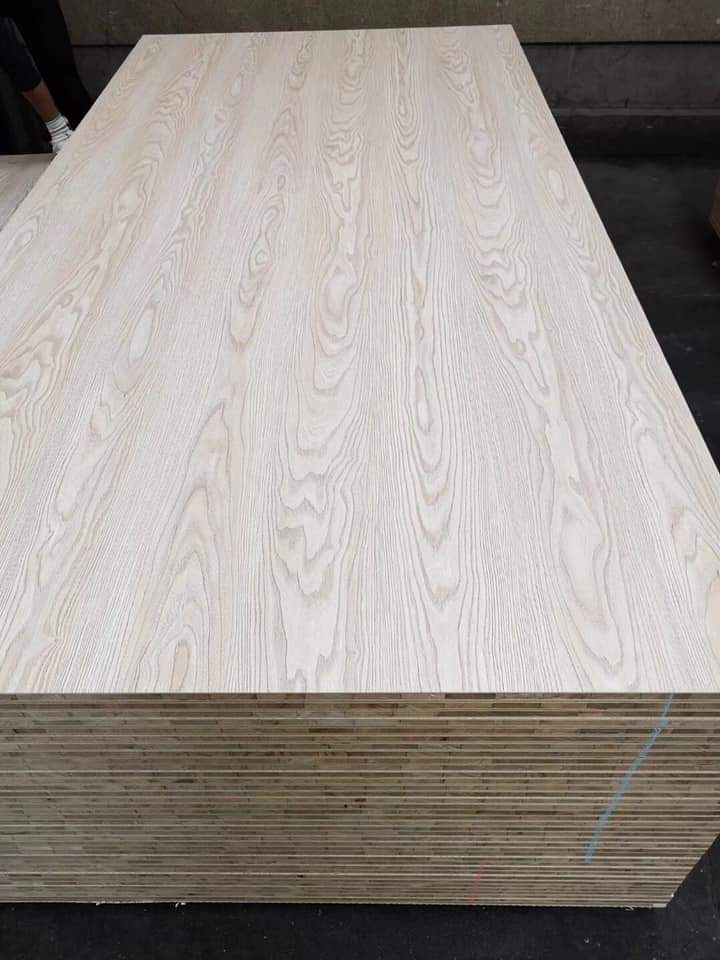
What is cost of plywood for a typical project? The cost of plywood follows the grade, the thickness, the species, and the bond class, so a buyer who compares sheets like for like avoids overpaying for the wrong panel. A utility sheet for hidden structural work costs far less than a marine-grade sheet for a dock, and the cost helps a buyer set expectations before visiting the yard. This guide explains what is cost of plywood, the cost drivers, the cost bands by type, and how to compare quotes like for like.
The sheet tag is only the start, because cutting, delivery, and edge finishing add to the installed cost. A buyer who knows the drivers sets a realistic budget and avoids surprises at the counter.
Several factors move the cost of a sheet, and each one matters when a buyer compares quotes.
A clean face grade such as A costs more than a utility grade such as C or D, because the veneer has fewer knots, patches, and repairs. The face letter sets the base cost.
A thicker sheet costs more because it uses more veneer and glue, and more plies add stiffness and price. The depth follows the span.
Softwood-faced commercial plywood costs less than birch, oak, or other hardwood-faced panels, because the face veneer costs more. The species shifts the cost.
Interior glue costs less than moisture-resistant or exterior glue, and marine glue costs the most because it resists water and delamination. The exposure decides the bond class.
The cost of plywood groups into bands by type, and the bands help a buyer set expectations.
Utility and sheathing panels sit at the lowest cost band, because they use softwood faces and structural bonds for hidden work. The cost reflects the rougher face.
Sanded and commercial sheets cost more, because the face is smooth enough for paint and the core is consistent. These sheets suit furniture carcasses and shop work.
Birch-faced and other hardwood panels sit higher in the cost band, because the face veneer costs more and the sheet takes a clear or painted finish well.
Marine and film-faced panels cost the most, because the waterproof glue, the thick plies, and the coated face all add cost. The cost buys performance in wet and formwork jobs.
| Type | Cost band | Typical use |
|---|---|---|
| Utility / sheathing | Lowest | Hidden structural work |
| Sanded / commercial | Low to mid | Furniture, paint work |
| Hardwood faced | Mid to high | Cabinets, doors |
| Marine / film-faced | Highest | Boats, formwork |
A buyer compares sheets like for like across dealers, because the cost alone can mislead.
A birch-faced A-grade sheet costs more than a softwood-faced C-grade sheet, so the buyer compares the same face grade and species before judging cost.
A thicker sheet costs more, and a full sheet costs less per square metre than a cut piece. The buyer compares identical dimensions.
An exterior-bonded sheet costs more than an interior-bonded sheet, so the buyer compares the same glue class for the same exposure.
The buyer adds delivery, cutting, and edge banding to the sheet price, because a distant yard with a low tag can end up costing more once freight is added.
A buyer turns a cost into a project budget by counting sheets and adding finishing.
The buyer counts sheets for walls, floors, roofs, and joinery, and orders a little extra for cuts and mistakes. The count avoids a second trip.
The buyer multiplies the count by the cost for the right grade and thickness, and rounds up for waste. The total gives the material budget.
Paint, varnish, edge banding, screws, and delivery add to the installed cost, so the buyer adds these before finalising. The complete figure guides the purchase.
The cost bands group by duty, and each duty picks the right sheet.
Structural plywood with a span rating suits walls, roofs, and floors, and the cost follows the rating and the thickness. The rated panel carries the load.
Sanded and hardwood-faced sheets suit cabinets, doors, and shelves, and the cost follows the face grade and the species. The face takes the finish.
Exterior and marine sheets suit sheds, decks, and boats, and the cost follows the bond class. The waterproof glue costs more.
Film-faced sheets suit concrete formwork, and the coated face adds cost but reuses across pours. The coating pays for itself.
A few slips lead to a false saving, and avoiding them keeps the project on budget.
A birch-faced A-grade sheet costs more than a softwood-faced C-grade sheet, so comparing costs alone misleads. The buyer compares like for like.
A thicker sheet costs more and spans further, so the buyer picks the depth the span needs rather than the cheapest sheet.
Delivery, cutting, and edge banding add to the total, so a distant yard with a low tag can end up costing more. The buyer adds these before comparing.
A sheet that sits badly can warp or stain before it reaches the job.
Sheets store flat on even supports off the ground under cover, so the panel stays flat until it reaches the job site.
Even an exterior-bonded sheet loses strength if it sits soaked for weeks, so the buyer keeps every stack under cover.
A sheet bought at the right cost still needs careful cutting, fixing, and finishing to perform as rated.
A sharp blade leaves a clean edge, and measuring from the square corner keeps the part true. The saw kerf removes a little width, so the buyer subtracts it from the cut list.
Pre-drilling small holes stops the veneer from splintering near an edge, and countersinking lets a screw head sit flush without lifting the face.
Paint, stain, or varnish protects the face and suits the grade, and edge banding covers the plies on a visible edge.
A buyer checks these points before paying.
The buyer compares the same face grade and species across dealers.
The buyer compares identical dimensions for an honest comparison.
The buyer matches the glue class to the exposure.
The buyer adds delivery, cutting, and finishing to the sheet price before deciding.
The cost bands group by duty, and each duty picks the right sheet.
Structural plywood with a span rating suits walls, roofs, and floors, and the cost follows the rating and the thickness. The rated panel carries the load.
Sanded and hardwood-faced sheets suit cabinets, doors, and shelves, and the cost follows the face grade and the species. The face takes the finish.
Exterior and marine sheets suit sheds, decks, and boats, and the cost follows the bond class. The waterproof glue costs more.
Film-faced sheets suit concrete formwork, and the coated face adds cost but reuses across pours. The coating pays for itself.
The cost per sheet follows the grade, thickness, species, and bond class, with utility sheets at the lowest end and marine or hardwood-faced panels at the highest end.
The cost varies because face grade, thickness, species, bond class, sheet size, and freight all shift the price, so two sheets of the same nominal size can differ widely.
Yes. A thicker sheet uses more veneer and glue, so it costs more, and it also spans further between supports.
Yes. A clean face grade such as A costs more than a utility grade such as C or D, because the veneer has fewer knots and repairs.
Buy only the thickness and grade the job needs, compare like for like across dealers, add delivery and cutting to the total, and store sheets flat to avoid waste.
What is cost of plywood? It is a figure that depends on the grade, thickness, species, and bond class, and a buyer who matches the panel to the exposure, the span, and the finish pays only for what the job needs. Compare like for like, add delivery and cutting, and store the sheet flat. For panels with clean faces, dependable cores, and consistent pricing across standard grades, a manufacturer such as HYY supplies Commercial Plywood and Melamine Plywood in standard sizes.