Our Location
5th Floor, Huake Center, Lanshan District, Linyi City, Shandong Province, China

5th Floor, Huake Center, Lanshan District, Linyi City, Shandong Province, China

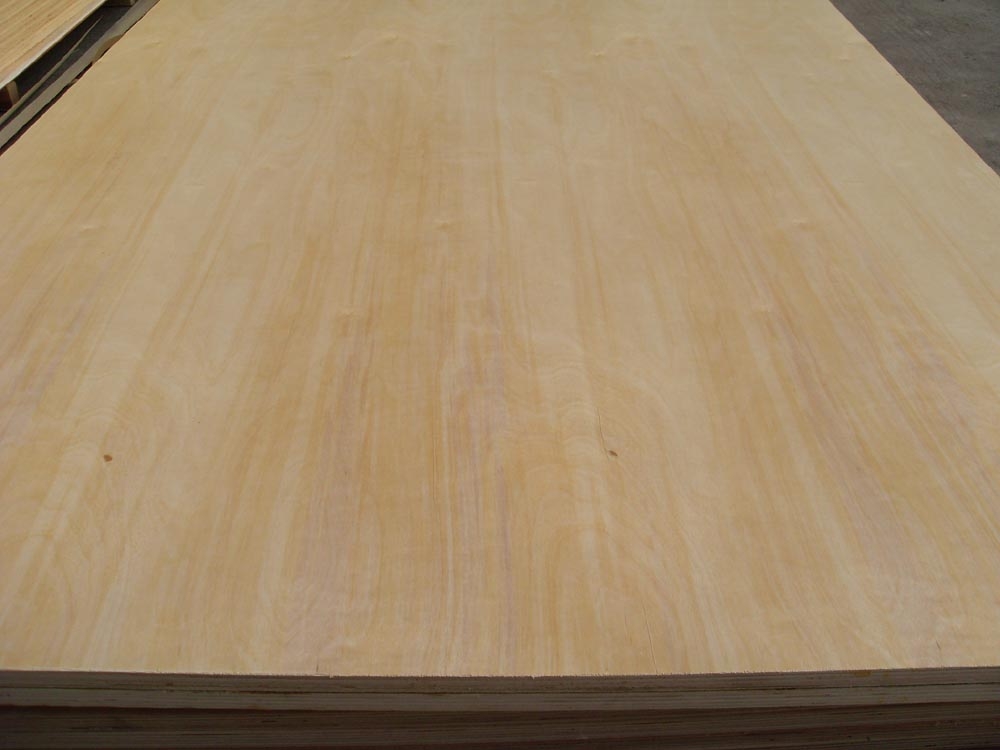
Plywood interior grades are the panels made for indoor use, with the faces, glues, and finishes chosen for dry rooms rather than for weather. A plywood interior panel can carry a clean sanded face for painting, a decorative veneer for furniture, or a melamine skin for cabinetry, all without the waterproof adhesive that exterior work demands. This guide explains the interior grades of plywood, where each one belongs, how they differ from exterior panels, and how to choose the right sheet for a room.
Inside a building the main enemies are handling, moisture in kitchens and baths, and the way a face takes paint or laminate, so the interior grade of plywood answers those needs at a lower cost than the marine panels. The buyer who understands the grade ladder picks a sheet that behaves and saves money.
Interior plywood uses a moisture-resistant or interior glue line and a face graded for the finish, so it suits dry and occasionally damp rooms rather than constant wet exposure. The construction and the face define the grade.
Interior plywood bonds with a urea or interior-grade adhesive that holds in normal room humidity but breaks down under soaking, so it suits furniture, walls, and cabinetry. The glue line is the main difference from exterior panels. The interior bond keeps the cost down for dry use.
The interior face ranges from a rough utility face to a fully sanded B or A face, and the smoother the face the better it takes paint, stain, or veneer. The face grade shows in the finished room. The buyer matches the face to the finish plan.
Interior panels come in the standard thicknesses from 6 mm to 25 mm, with a stable core that machines and screws cleanly. The thickness follows the shelf span or the cabinet build. The core quality decides how the cut edges look.
| Interior type | Face | Typical use |
|---|---|---|
| Sanded interior | B or B-B | Shelves, general joinery |
| Furniture-grade | A or A-B | Visible furniture |
| Veneered | Oak, birch, teak | Doors, premium casework |
| Melamine-faced | Melamine skin | Kitchen, office fit-out |
Interior plywood splits into a few familiar families, each aimed at a different finish and room, and the names appear on the rack tag. Knowing them speeds the choice.
Sanded interior plywood carries a smooth face for painting or clear coating and a rougher back, and it suits shelves, drawers, and painted casework. The utility face hides where it will not show. The sanded panel is the workhorse of interior joinery.
Furniture-grade panels show a clean veneer on the face, and veneered interior sheets in oak, birch, walnut, or teak give a solid-wood look for doors and display work. The veneer carries the visible character. The premium face suits the pieces on show.
Melamine-faced plywood and MDF carry a factory skin that resists moisture and marks and needs no painting, common in kitchens, offices, and shops. The skin finishes the surface at once. The melamine panel suits volume fit-out and easy cleaning.
Some interior sheets add a fire-retardant treatment or a moisture-resistant glue line for kitchens, bathrooms, and public buildings, extending the interior range beyond the plain panel. The treatment meets the compliance need. The buyer specifies it where code or dampness calls.
The interior and exterior labels come down to the glue line and the face durability, and using the wrong one where moisture stays shortens the panel’s life. The comparison guides the buyer across the two families.
Exterior and marine plywood bond with a waterproof adhesive that survives soaking, while interior plywood uses a bond for normal humidity. An interior panel left in the rain delaminates. The glue line is the deciding difference.
Interior panels suit bedrooms, living rooms, offices, and dry cabinetry, while exterior panels belong on cladding, boats, and wet structures. The room’s moisture decides the grade. The buyer rarely needs marine panels indoors.
Interior plywood costs less than exterior or marine grades and comes in a wider choice of faces at every supplier, so the interior buyer saves money and gets more options. The price gap rewards the right grade for the room. The interior panel is the common indoor sheet.
The right interior sheet balances the room’s moisture, the sink or shelf span, and the finish on show, and matching the three keeps the build sound. A dry bedroom and a steamy kitchen take different panels.
A dry living room takes a standard interior panel, while a kitchen or bathroom wants a moisture-resistant or melamine-faced sheet where splashes land. The moisture picks the glue and the face. The wet rooms need the sealed or treated sheet.
Shelves, tabletops, and floors need thicker panels for their span, while drawer bottoms and cabinet backs take thin sheets. The thickness follows the load and the support spacing. The span table decides the panel depth.
A painted panel wants a sanded face, a clear-finished panel wants a clean veneer, and a laminate wants a flat core under the skin. The finish picks the face grade. The buyer settles the finish before ordering the sheet.
The interior panel should cut with a tight core and a clean edge for banding or lipping, since the visible edge finishes the piece. A voided core shows at the cut. The edge quality matters as much as the face indoors.
Interior plywood appears across the home and the workplace, and a tour of the rooms shows where each grade earns its place. The uses follow the grade.
Kitchen cabinets, pantry shelves, and utility fit-out use melamine-faced and moisture-resistant interior panels that wipe clean and resist steam. The sealed face handles the daily spill. The kitchen leans on the melamine skin.
Wardrobes, cabinets, and shelving use sanded and veneered interior plywood for carcasses and shelves that stay flat and carry the load. The carcass hides behind doors. The shelving carries books and boxes without sagging.
Tables, benches, and built-in units use furniture-grade interior plywood where the face shows, finished with paint, oil, or laminate. The visible panel carries the design. The furniture build rewards the clean face.
Interior wall and ceiling panels in sanded or veneered plywood give a warm surface and a fast fit, fixed with clips or trim. The panel covers the frame. The wall finish brings the wood into the room.
Interior plywood machines and finishes much like any other sheet, with a few habits that keep the edges and faces clean. The method follows the grade.
A sharp blade and a supported sheet cut interior plywood cleanly, with the face scored to stop tear-out on the good side. The blade handles the veneer without fuzzing. The cut edge stays ready for banding.
Screws and nails hold well in the interior core, and a pilot hole stops the edge splitting near a cut line. Glue adds strength to the joint in a carcass. The fixing follows the panel thickness.
Paint, oil, laminate, and edge banding all suit interior plywood, and the edges seal against moisture where the room stays damp. The finish protects the face and the core. The sealing step closes the cut edges.
Interior panels store flat and dry off the floor so they stay true until the build, away from damp walls and direct sun. The stored sheet keeps its shape. The dry store protects the core.
Buyers ask the same questions about interior plywood, and these answers cover the ones that come up most often.
Interior plywood is a panel bonded with an interior-grade glue line and faced for dry-room use, suited to furniture, cabinetry, walls, and shelving rather than constant moisture.
It tolerates normal room humidity but not soaking, and an interior panel left in the wet delaminates. For kitchens, baths, or outdoor use, choose moisture-resistant, melamine-faced, or exterior grades.
Melamine-faced or moisture-resistant interior plywood suits kitchen cabinets, and sanded or veneered interior plywood suits wardrobes and shelving. The room moisture and the finish decide.
Yes, interior plywood costs less than exterior and marine grades because the glue line and face need less weather protection. The interior sheet saves money for dry indoor work.
Drawer bottoms and backs take 6 to 9 mm, shelves and carcasses take 12 to 18 mm, and countertops and floors take 18 mm or more, following the span and the load.
Interior plywood gives a room a clean, workable panel with a face ready for paint, veneer, or laminate, and matching the grade to the moisture, the span, and the finish keeps the build right. Sanded sheets cover general joinery, veneers cover the visible pieces, and melamine covers the busy wet rooms. For interior panels with tight cores and clean faces, a manufacturer such as HYY supplies Commercial Plywood and Melamine Plywood ready for the joinery, cabinets, and built-ins of any interior.