Our Location
5th Floor, Huake Center, Lanshan District, Linyi City, Shandong Province, China

5th Floor, Huake Center, Lanshan District, Linyi City, Shandong Province, China

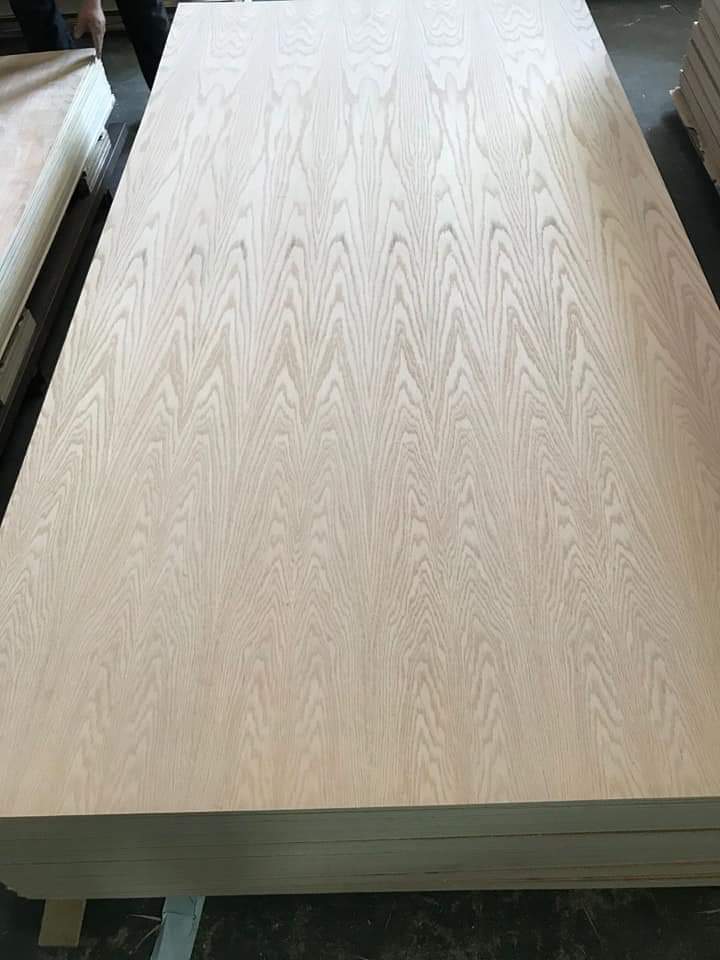
Used construction plywood for sale is a search a builder runs when a project needs sheets at a lower cost, and the market offers panels that have already served on a site, often as formwork or sheathing, and are resold for a second life. Used construction plywood for sale suits non-critical jobs such as temporary works, site hoardings, and rough sheds, where the panel’s age and marks do not matter. This guide explains used construction plywood for sale, what to expect from second-hand sheets, how to inspect them, and where they fit in a build.
A used sheet costs less than a new one, but the buyer trades price for condition, and a careful inspection decides whether the saving is real. Not every used panel is worth the money.
Used construction plywood for sale describes panels that have already been on a job and are resold for reuse, often with marks, stains, or wear from their first life.
Many used sheets come from concrete formwork, where film-faced panels have served several pours and still release concrete cleanly. These sheets suit a second round of formwork or rough site use.
Some used sheets come from demolition or renovation, where a wall sheathing or subfloor panel is removed intact. These panels suit temporary works or rough sheds.
Some used sheets are actually surplus from a large job, cut or uncut, and they carry a lower price because the seller wants them gone. These panels often show little wear.
| Source | Condition | Best use |
|---|---|---|
| Formwork take-off | Coated, worn | Second formwork, hoardings |
| Demolition sheet | Marked, weathered | Temporary works, sheds |
| Surplus stock | Near new | General construction |
The buyer finds second-hand sheets through several channels, and each suits a different order.
Contractors who pour concrete regularly sell their take-off panels at a discount, and a buyer who asks at a job site can find panels ready for pickup. The contractor wants the stock gone.
Demolition yards sort and sell removed panels, and the buyer can find large quantities at a low price. The condition varies with the job.
Online listings offer second-hand sheets from homeowners and contractors, and the buyer can compare prices and photos before visiting. The listing saves a wasted trip.
Some timber yards hold used or surplus sheets alongside new stock, and the buyer can inspect the panel before paying. The yard backs the sale.
A used sheet is only worth buying if it is still sound, and the buyer checks several points before paying.
The buyer looks for layers that have separated at the edge, because a delaminated sheet loses strength and will fail under load. A solid core holds the panel together.
The buyer checks the edge and the face for soft spots, swelling, or dark staining, because rot weakens the panel and spreads. A dry, firm sheet is sound.
On a film-faced sheet, the buyer checks the coating for tears and wear, because a damaged film lets concrete stick and the sheet loses its reuse value.
The buyer measures the sheet at a few points, because wear and sanding take a used panel under its nominal thickness. The measured depth decides the span.
The buyer looks for nails, screws, and staples left in the sheet, because they damage blades and tools. The buyer pulls them out before cutting.
Used panels suit non-critical duty, and the buyer matches the condition to the job.
A take-off film-faced sheet serves a second round of formwork, and the buyer cleans it between pours. The coated face still releases concrete.
Used sheets make site boundaries, guards, and temporary works, where the appearance does not matter. The panel serves the temporary duty.
A shed, a site office, or a temporary store uses used sheets sealed against the weather. The panel covers the frame cheaply.
Offcuts and thin used sheets cut into jigs, templates, and shop fixtures, and the low cost suits a part that wears out. The sheet holds a dimension.
A few habits at the counter keep the saving real.
The buyer inspects each sheet rather than trusting a stack, because one bad panel in a bundle ruins the saving. The check catches delamination and rot.
The buyer adds transport and cleaning to the sheet price, because a distant seller with a low tag can end up costing more once freight is added.
Used sheets store flat on even supports off the ground under cover, so the panel stays flat and dry until it reaches the job. A leaning sheet can twist.
Every cut edge exposes the core, and a used sheet with an unsealed edge takes moisture faster. The buyer seals or tapes each cut edge before use.
A used sheet is only worth buying if it is still sound, and the buyer checks several points before paying.
The buyer looks for layers that have separated at the edge, because a delaminated sheet loses strength and will fail under load. A solid core holds the panel together.
The buyer checks the edge and the face for soft spots, swelling, or dark staining, because rot weakens the panel and spreads. A dry, firm sheet is sound.
On a film-faced sheet, the buyer checks the coating for tears and wear, because a damaged film lets concrete stick and the sheet loses its reuse value.
The buyer looks for nails, screws, and staples left in the sheet, because they damage blades and tools. The buyer pulls them out before cutting.
A used sheet stores flat on even supports off the ground under cover, so the panel stays flat and dry until it reaches the job. A leaning sheet can twist.
Sheets store flat on even supports off the ground under cover, so the panel stays flat until it reaches the job site.
Even an exterior-bonded sheet loses strength if it sits soaked for weeks, so the buyer keeps every stack under cover.
A used sheet cuts and fixes best with sharp tools and even fasteners, and a few habits keep the panel sound.
A sharp blade leaves a clean edge, and measuring from the square corner keeps the part true. The saw kerf removes a little width, so the buyer subtracts it from the cut list.
Pre-drilling small holes stops the veneer from splintering near an edge, and countersinking lets a screw head sit flush without lifting the face.
Every cut edge exposes the core, so sealing or taping it keeps moisture out and keeps the panel strong. The seal guards the bond.
A buyer checks these points before paying for a used sheet.
The buyer checks the edge for separated layers before paying.
The buyer checks the face and edge for soft spots, swelling, or dark staining.
On a film-faced sheet, the buyer checks the coating for tears and wear.
The buyer checks for nails, screws, and staples before cutting.
Yes, for non-critical duty such as formwork reuse, hoardings, and rough sheds, where the panel’s marks and wear do not matter. The saving is real if the sheet is sound.
Formwork contractors, demolition yards, online marketplaces, and timber yards all sell second-hand sheets, and a buyer compares condition and price.
Check for delamination at the edge, rot or swelling on the face, coating wear on film-faced sheets, and the actual thickness. Pull any nails or screws before cutting.
Yes, if the film face is intact and the panel is still flat and solid. A damaged face lets concrete stick and reduces the reuse count.
Only if the sheet is sound, with no delamination or rot, and the buyer verifies the thickness and the bond. For critical duty, new rated panels are safer.
Used construction plywood for sale suits non-critical duty at a lower cost, and the buyer who inspects each sheet for delamination, rot, and thickness gets a real saving. Match the condition to the job, store flat and dry, and seal every cut edge. For new panels with clean faces, dependable cores, and consistent thickness when a sound sheet matters, a manufacturer such as HYY supplies Commercial Plywood and Film Faced Plywood in standard grades.